Food contamination is a significant public health concern worldwide, often leading to foodborne illnesses. Contaminated foods can harbor harmful bacteria, viruses, parasites, or chemicals, making them potentially poisonous. Here are ten foods that can become hazardous due to contamination:
1. Leafy Greens
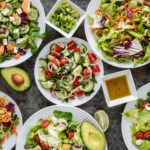
Leafy greens like lettuce, spinach, and kale are often linked to foodborne illnesses due to contamination with bacteria such as E. coli, Salmonella, and Listeria. These pathogens can be introduced during growing, harvesting, or processing. Proper washing and handling can reduce the risk, but thorough cooking is the best way to eliminate bacteria.
2. Raw Eggs
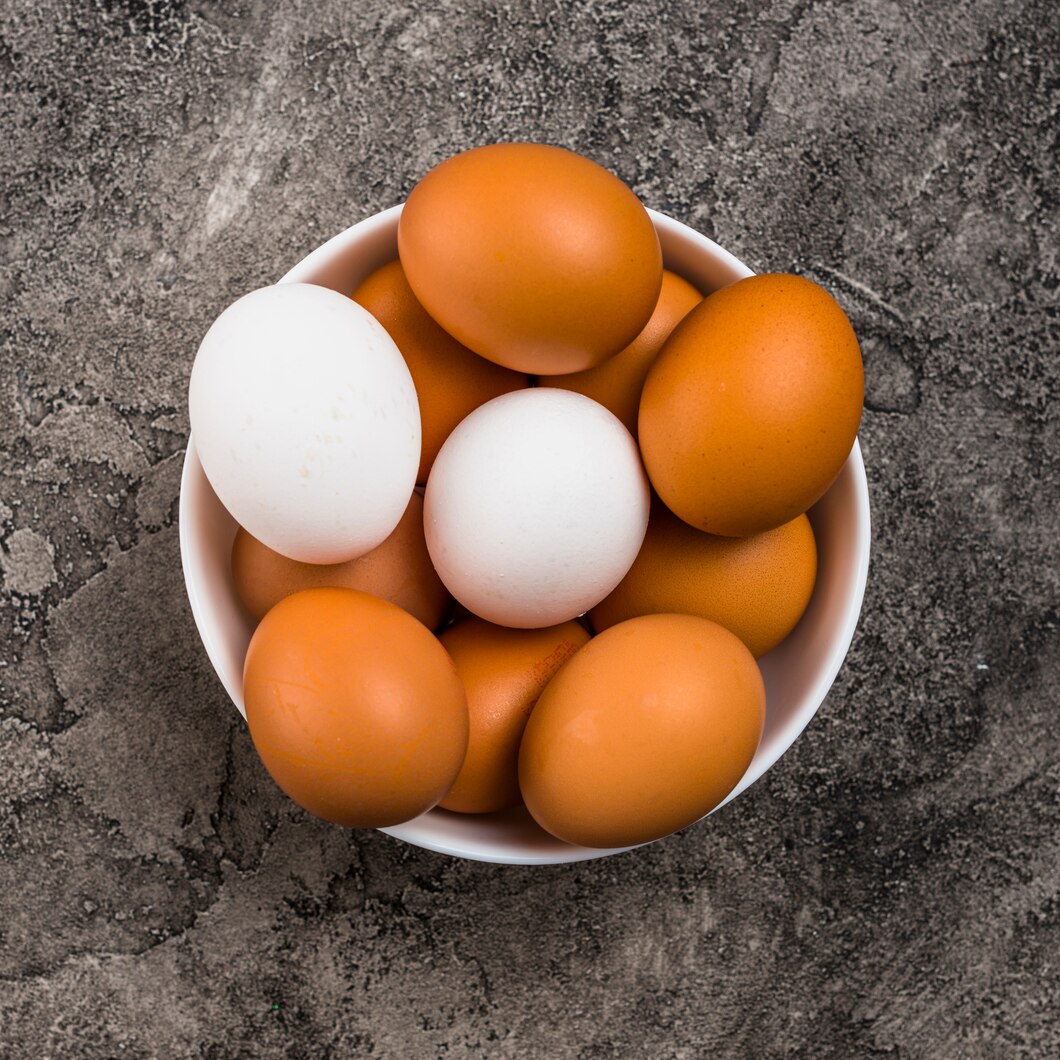
Raw eggs can be contaminated with Salmonella, a bacteria that can cause severe gastrointestinal illness. Consuming raw or undercooked eggs, especially in dishes like homemade mayonnaise or raw cookie dough, poses a risk. To minimize danger, use pasteurized eggs and cook them thoroughly.
3. Raw Meat and Poultry
Raw meat and poultry can be contaminated with various bacteria, including Salmonella, E. coli, and Campylobacter. Cross-contamination during handling and improper cooking are common causes of foodborne illness. Always cook meat to the recommended temperatures and practice safe food handling.
4. Raw Shellfish
Raw shellfish, such as oysters, clams, and mussels, can be contaminated with bacteria, viruses, and parasites from polluted waters. Vibrio bacteria and norovirus are common pathogens found in shellfish. Cooking shellfish thoroughly reduces the risk of illness.
5. Unpasteurized Dairy Products
Unpasteurized (raw) milk and dairy products can harbor dangerous bacteria like Salmonella, E. coli, and Listeria. Pasteurization kills these pathogens, making dairy products safer for consumption. Consuming unpasteurized products increases the risk of serious foodborne illnesses.
6. Sprouts
Raw sprouts, including alfalfa, bean, and radish sprouts, are vulnerable to bacterial contamination because they are grown in warm, moist conditions that favor bacterial growth. Salmonella and E. coli are common contaminants. Cooking sprouts before consumption can reduce the risk.
7. Berries
Berries, especially strawberries, raspberries, and blueberries, can be contaminated with bacteria and viruses through water or soil contact. Cyclospora and Hepatitis A are known to contaminate berries. Washing berries thoroughly before consumption is crucial.
8. Melons
Melons, particularly cantaloupes, can harbor bacteria on their rough skins, such as Salmonella and Listeria. Bacteria can be transferred from the rind to the flesh during cutting. Wash melons before cutting and store them properly to reduce contamination risk.
9. Rice
Cooked rice can become contaminated with Bacillus cereus, a bacteria that can cause food poisoning if the rice is left at room temperature for too long. It is important to store cooked rice promptly in the refrigerator and reheat it to a high temperature before consuming.
10. Deli Meats
Deli meats and ready-to-eat meats can be contaminated with Listeria, a bacteria that can survive refrigeration. Pregnant women and people with weakened immune systems are particularly vulnerable. Heating deli meats before consumption can help reduce the risk.
Contaminated foods pose a significant risk to public health, but many of these risks can be mitigated through proper food handling, cooking, and storage practices. Staying informed about potential foodborne pathogens and taking preventive measures can help protect against illness and ensure safer consumption. Always practice good hygiene in the kitchen and pay attention to food recalls and safety advisories.