
Certain foods are best consumed during their natural growing seasons to ensure they are safe and nutritious. Eating them out of season can sometimes lead to negative health effects due to higher levels of naturally occurring toxins or reduced nutrient quality. Here are ten foods that can be poisonous or harmful if eaten in the wrong season:
1. Fiddlehead Ferns
Season: Spring
Risks: Fiddlehead ferns, particularly the ostrich fern variety, must be cooked thoroughly to destroy toxins. If eaten raw or harvested too late in the season, they can cause food poisoning symptoms such as nausea, vomiting, and diarrhea.
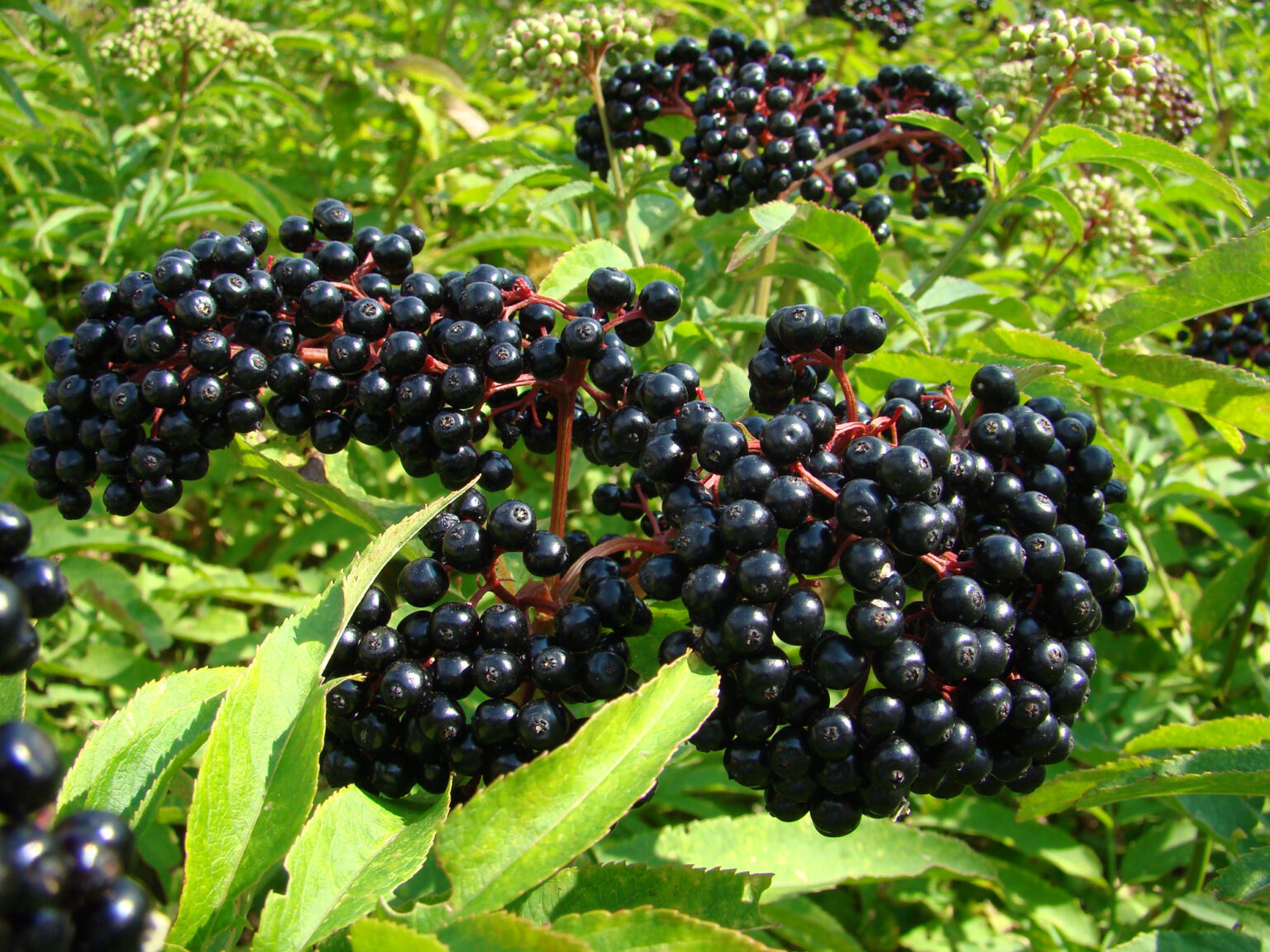
2. Elderberries
Season: Late Summer to Early Fall
Risks: Elderberries contain cyanogenic glycosides, which can release cyanide. Eating them unripe or raw, especially out of season, can cause nausea, vomiting, and diarrhea. Cooking the berries properly neutralizes these compounds.
3. Morel Mushrooms
Season: Spring
Risks: Morels must be cooked before consumption, as raw morels contain hydrazine toxins that can cause gastrointestinal distress. Out-of-season mushrooms might be incorrectly identified, increasing the risk of consuming toxic varieties.
4. Rhubarb Leaves
Season: Spring to Early Summer
Risks: While the stalks are edible, rhubarb leaves contain high levels of oxalic acid, which can cause kidney failure if consumed. Late-season rhubarb is more likely to have higher concentrations of these compounds.
5. Cassava
Season: Year-round in Tropical Climates (Processed carefully regardless of season)
Risks: Cassava contains cyanogenic glucosides, which can release cyanide if not processed correctly. During droughts or improper processing seasons, the risk of toxicity increases.
6. Bamboo Shoots
Season: Spring
Risks: Bamboo shoots contain cyanogenic glycosides, which can be toxic if consumed raw or improperly processed. Cooking bamboo shoots thoroughly in their proper season reduces the risk.
7. Ackee Fruit
Season: Late Summer to Early Spring
Risks: Ackee fruit is poisonous if eaten unripe or improperly prepared, as it contains hypoglycin, which can cause vomiting and, in severe cases, death. Consuming it out of season increases the risk of encountering unripe fruit.
8. Wild Asparagus
Season: Spring
Risks: Wild asparagus should only be eaten in its correct season and when young, as older plants can develop toxic compounds that cause digestive upset.
9. Lychee
Season: Late Spring to Early Summer
Risks: Unripe lychees contain hypoglycin A, which can cause severe drops in blood sugar, especially in malnourished individuals. Consuming them out of season increases the chance of encountering unripe fruit.
10. Potatoes
Season: Harvested in Late Summer to Fall
Risks: Potatoes exposed to light or improperly stored can develop solanine, a glycoalkaloid toxin. Eating out-of-season or improperly stored potatoes can lead to solanine poisoning, causing symptoms like nausea and neurological disturbances.
To minimize the risk of toxicity and maximize nutritional benefits, it’s essential to consume these foods in their proper seasons and ensure they are prepared correctly. Seasonal eating not only enhances food safety but also supports local agriculture and ensures the freshest flavors and nutrients.