
Gardening at home is a rewarding hobby, offering the benefits of fresh, organic produce. However, it’s essential to be aware that some common garden plants can be harmful if not handled or prepared properly. Here are 10 foods that can be poisonous, even if you grow them at home:
1. Tomatoes (Unripe and Leaves)
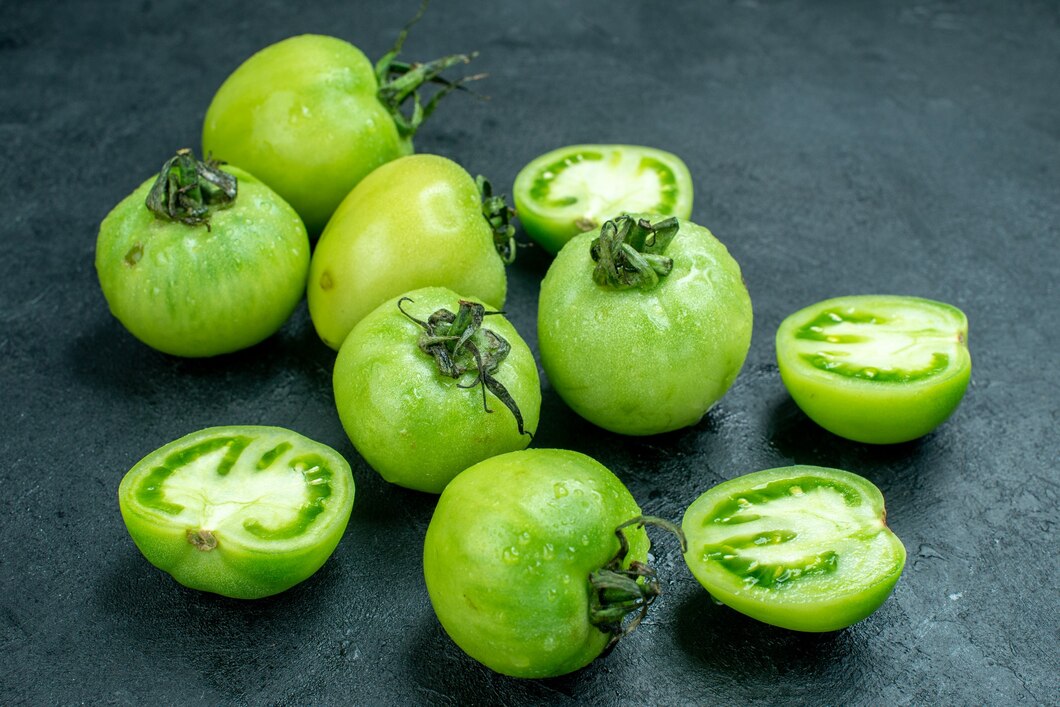
While ripe tomatoes are a staple in many households, unripe green tomatoes and the leaves of the tomato plant contain solanine, a toxic compound. Consuming large amounts of solanine can lead to nausea, vomiting, and even neurological issues.
2. Potatoes (Green and Sprouted)
Potatoes are another garden favorite, but if they turn green or sprout, they can produce solanine and chaconine, two toxins that can cause gastrointestinal distress and nervous system problems if ingested in significant amounts.
3. Rhubarb (Leaves)
Rhubarb is often grown for its tart, edible stalks, but its leaves contain high levels of oxalic acid and anthraquinone glycosides, which are toxic and can cause difficulty breathing, seizures, and kidney failure if consumed.
4. Kidney Beans (Raw)
Raw kidney beans contain phytohaemagglutinin, a toxin that can cause severe stomach pain, vomiting, and diarrhea. Cooking kidney beans thoroughly destroys this toxin, making them safe to eat.
5. Apple Seeds
While apples themselves are perfectly safe, their seeds contain amygdalin, which can release cyanide when digested. Eating a large number of apple seeds can be dangerous, so it’s best to remove them before consumption.
6. Cherry Pits
Cherry pits, like apple seeds, contain amygdalin, which can produce cyanide. While accidentally swallowing a pit is unlikely to cause harm, deliberately chewing and consuming large amounts can be dangerous.
7. Elderberries (Unripe and Leaves)
Elderberries are used to make delicious syrups and jams, but the unripe berries, leaves, and seeds contain cyanogenic glycosides, which can cause nausea, vomiting, and diarrhea if eaten raw.
8. Castor Beans
Castor bean plants are grown for their ornamental value, but the seeds contain ricin, a potent toxin. Even a small amount of ricin can cause severe abdominal pain, vomiting, and death if ingested.
9. Bitter Almonds
Bitter almonds are not the same as the sweet almonds commonly eaten. They contain a high concentration of amygdalin, which can produce cyanide. Consuming even a small amount of bitter almonds can be fatal.
10. Zucchini (Bitter-Tasting)
Zucchini can sometimes produce a bitter compound called cucurbitacin, especially if the plant has been stressed or cross-pollinated with wild varieties. Bitter-tasting zucchini can cause nausea, vomiting, and stomach cramps and should be avoided.
Growing your own food is a great way to ensure fresh, organic produce, but it’s important to be aware of the potential risks. Some common garden plants can be toxic if not handled or prepared correctly. By understanding the dangers associated with these 10 foods, you can take steps to protect yourself and your family while still enjoying the fruits of your labor. Always ensure proper preparation and when in doubt, err on the side of caution when consuming home-grown produce.