
Osteoporosis is a condition that weakens bones, making them fragile and more likely to break. While various factors contribute to bone health, diet plays a significant role. Certain foods can hinder calcium absorption or accelerate bone loss, increasing the risk of osteoporosis. Here are 20 foods that South Africans should consider avoiding or limiting to maintain strong, healthy bones.
Foods to Avoid
- Soft Drinks: Soft drinks, especially colas, contain phosphoric acid, which can leach calcium from bones, weakening them over time.
- Alcohol: Excessive alcohol consumption can interfere with the body’s ability to absorb calcium and can also affect hormone levels that protect bones.
- Caffeine: High caffeine intake, found in coffee, tea, and energy drinks, can decrease calcium absorption and lead to bone loss.
- Salt: High sodium intake can cause the body to excrete more calcium through urine, weakening bones. Avoid adding too much salt to food and check for high sodium levels in processed foods.
- Red Meat: Consuming red meat in large quantities can increase the amount of calcium excreted by the kidneys, potentially leading to bone loss.
- Sugar: Diets high in sugar can lead to calcium being pulled from bones and also contribute to weight gain, which puts additional stress on bones.
- Oxalate-Rich Foods: Foods like spinach, beet greens, and rhubarb are high in oxalates, which can bind to calcium and prevent its absorption.
- Wheat Bran: While fiber is essential for overall health, wheat bran contains high levels of phytates that can inhibit calcium absorption.
- Trans Fats: Found in many processed foods and baked goods, trans fats can negatively affect bone health and overall wellness.
- High-Fat Dairy Products: Full-fat dairy products can contain high levels of saturated fats, which may interfere with calcium absorption.
- Artificial Sweeteners: Some studies suggest that artificial sweeteners can affect bone density, although more research is needed.
- Fried Foods: Fried foods can be high in unhealthy fats, which can contribute to inflammation and negatively impact bone health.
- Excess Vitamin A: While vitamin A is essential, too much can interfere with the body’s ability to absorb calcium, so limit intake of liver and vitamin A supplements.
- Canned Foods: Many canned foods contain added salt and preservatives, which can lead to increased calcium excretion.
- Certain Legumes: Beans contain phytates that can hinder calcium absorption, although soaking and cooking them can reduce this effect.
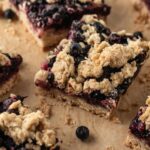
- Commercial Baked Goods: Often high in sugar, trans fats, and sodium, these foods can contribute to bone loss and overall poor health.
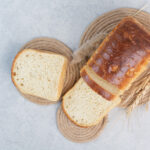
- Refined Grains: White bread, pasta, and other refined grains can lack essential nutrients, including calcium, that are important for bone health.
- Processed Meats: These meats are often high in sodium and preservatives, which can increase calcium loss.
- Excess Protein: While protein is essential, too much protein, especially from animal sources, can increase calcium excretion in urine.
- Carbonated Water: While not as harmful as soft drinks, excessive consumption of carbonated water can lead to mild calcium loss due to increased acidity in the body.
Maintaining strong and healthy bones requires a balanced diet rich in calcium and other essential nutrients. By avoiding or limiting these 20 foods, South Africans can take proactive steps to reduce the risk of osteoporosis and promote overall bone health. Remember to consult with a healthcare provider for personalized dietary advice and to ensure you’re meeting all your nutritional needs.