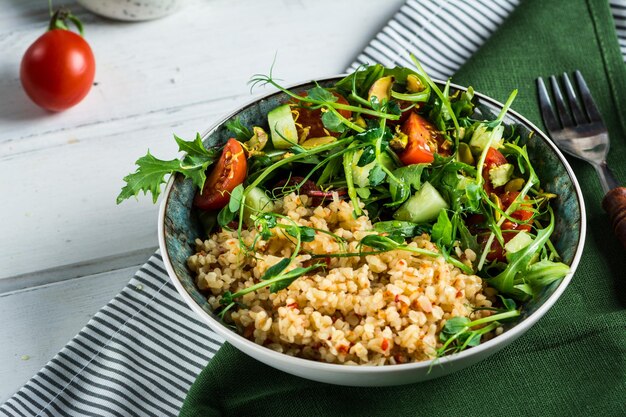
As the world continues to explore healthier eating habits, ancient grains are making a significant comeback. These grains, once staple foods in various ancient civilizations, are packed with nutrients and offer a variety of health benefits. Unlike the highly processed grains commonly consumed today, ancient grains are less modified and retain more of their original nutritional value. Incorporating these grains into your diet can enhance your overall health and provide a diverse range of flavors and textures. Here are five ancient grains you should consider adding to your meals.
1. Quinoa
Quinoa, often referred to as a “supergrain,” has been a staple in the Andes for thousands of years. Unlike most grains, quinoa is a complete protein, meaning it contains all nine essential amino acids that our bodies cannot produce on their own. It’s also rich in fiber, magnesium, and antioxidants, making it an excellent choice for heart health and digestion. Quinoa is naturally gluten-free, which makes it a great option for those with gluten sensitivities. You can use quinoa as a base for salads, stir-fries, or even as a substitute for rice in various dishes.
2. Farro
Farro is an ancient wheat variety that was a prominent part of the diet in ancient Rome and Egypt. With a nutty flavor and chewy texture, farro is an excellent source of protein, fiber, iron, and magnesium. It also provides a significant amount of vitamins B3 and B6, which play a role in supporting metabolism and energy production. Farro can be used in soups, salads, or as a side dish. Its hearty texture makes it a satisfying addition to any meal.
3. Amaranth
Amaranth was a vital grain in the diet of the Aztecs and has been enjoyed for centuries due to its versatility and nutritional profile. Like quinoa, amaranth is a complete protein, which makes it an ideal choice for vegetarians and vegans. It’s also rich in iron, magnesium, and calcium, contributing to strong bones and improved muscle function. Amaranth has a slightly sweet, earthy flavor, making it perfect for both savory and sweet dishes. You can use it to make porridge, bake into breads, or even pop it like popcorn for a crunchy snack.
4. Millet
Millet is a small, round grain that has been a dietary staple for cultures in Asia, Africa, and Europe for thousands of years. It’s a nutrient-dense grain that is high in fiber, B vitamins, and essential minerals such as phosphorus and magnesium. Millet is also naturally gluten-free and has a mild, slightly sweet flavor. It can be cooked as a side dish, added to soups, or used in baking. Its light, fluffy texture makes it a great substitute for rice or couscous.
5. Spelt
Spelt is an ancient form of wheat that has been cultivated for over 5,000 years. Known for its nutty flavor and dense texture, spelt is a great source of protein, fiber, iron, and B vitamins. It’s also lower in gluten than modern wheat, which may make it easier to digest for some individuals. Spelt can be used in a variety of ways, from making bread and pasta to adding it to salads or soups. If you’re looking for a whole-grain alternative to refined wheat, spelt is an excellent choice.
Ancient grains are not only delicious but also incredibly nutritious. They offer a variety of vitamins, minerals, and proteins that contribute to overall health and well-being. By incorporating grains like quinoa, farro, amaranth, millet, and spelt into your diet, you can enjoy a diverse range of flavors and textures while benefiting from their superior nutritional profiles. Whether you’re looking to boost your protein intake, improve digestion, or add variety to your meals, ancient grains are a great way to enrich your diet with whole, wholesome foods.