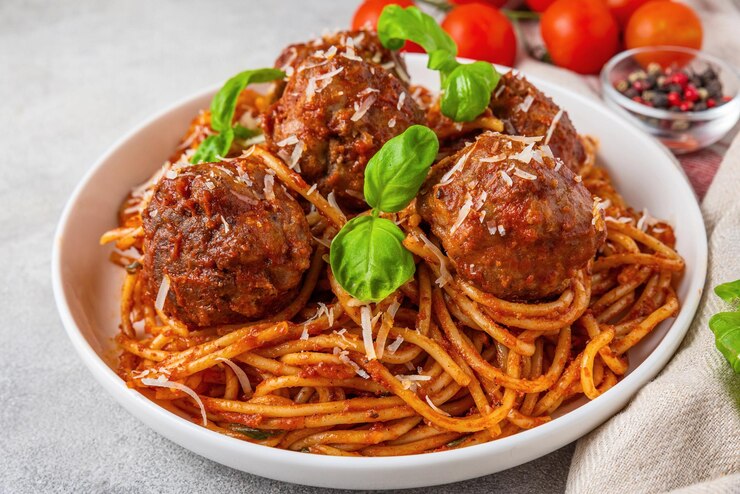
Spaghetti and meatballs is a comforting classic that brings together tender meatballs, rich tomato sauce and perfectly cooked pasta. Although the traditional combination is delicious on its own, a few carefully chosen ingredients can make the dish even more memorable. The right additions can deepen the sauce, improve the texture of the meatballs and bring more balance to every bite. Ingredients such as fresh herbs, Parmesan, red wine, balsamic vinegar and garlic each offer something different. You do not need an expensive shopping list or complicated cooking techniques to make a noticeable improvement. Small changes to your ingredients and preparation methods can give homemade spaghetti and meatballs a richer, more developed flavour. These five ingredients deserve a place in your kitchen if you want to take this familiar family favourite to the next level.
A great plate of spaghetti and meatballs depends on more than the quality of the meat or tomato sauce. The meatballs should remain tender and juicy, while the sauce needs enough time to develop a deep, balanced flavour. Ingredients that provide acidity, savouriness and freshness help prevent the dish from tasting flat or overly rich. You can add these ingredients to your usual recipe or combine them in a completely new version of the classic meal. Each one has a specific purpose, whether it is improving the meatball mixture or transforming the sauce. The recipes below show you how to use these ingredients effectively without making the cooking process difficult. With a little attention to detail, you can prepare spaghetti and meatballs that taste like a special homemade meal.
1. Fresh Garlic for a Deeper, More Aromatic Flavour
Garlic is one of the most useful ingredients for improving spaghetti and meatballs. Its strong, savoury flavour adds depth to tomato sauce and gives meatballs a more rounded taste. When cooked gently, garlic develops a mellow sweetness that blends beautifully with tomatoes, herbs and meat.
Fresh garlic generally offers a stronger and more complex flavour than garlic powder. Finely chopped or crushed garlic works well in sauces, while finely grated garlic distributes evenly through a meatball mixture. The key is to avoid burning it because burnt garlic can make the entire dish bitter.
How to Use Garlic in Spaghetti and Meatballs
For the sauce, cook chopped garlic in olive oil over medium-low heat before adding tomatoes. This allows the garlic to release its aroma and flavour into the oil. Add the tomatoes once the garlic becomes fragrant and lightly golden.
For meatballs, combine grated garlic with minced beef, breadcrumbs, egg and herbs. Use a moderate amount so that it enhances the meat without overpowering it.
Garlic and Herb Meatballs in Tomato Sauce
Ingredients:
For the meatballs:
- 500 g beef mince
- 2 cloves garlic, finely grated
- ½ cup fresh breadcrumbs
- 1 large egg
- ¼ cup grated Parmesan cheese
- 2 tablespoons chopped fresh parsley
- ½ teaspoon dried oregano
- ½ teaspoon salt
- ¼ teaspoon black pepper
- 1 tablespoon olive oil
For the tomato sauce:
- 2 tablespoons olive oil
- 3 cloves garlic, finely chopped
- 1 small onion, finely diced
- 1 tin chopped tomatoes, approximately 400 g
- 2 tablespoons tomato paste
- ½ teaspoon dried oregano
- ½ teaspoon sugar, optional
- Salt and black pepper to taste
- 125 ml water or beef stock
To serve:
- 350 g spaghetti
- Fresh parsley
- Extra grated Parmesan
Method:
- Place the beef mince in a large mixing bowl.
- Add the grated garlic, breadcrumbs, egg, Parmesan, parsley, oregano, salt and black pepper.
- Mix gently until the ingredients are evenly combined. Avoid squeezing or overworking the mixture.
- Shape the mixture into evenly sized meatballs.
- Heat the olive oil in a large frying pan over medium heat.
- Brown the meatballs in batches, turning them carefully so that they develop colour on all sides. They do not need to cook completely at this stage.
- Remove the meatballs and set them aside.
- Add the olive oil for the sauce to the same pan.
- Cook the onion until soft, then add the chopped garlic.
- Stir for approximately 30 seconds until fragrant.
- Add the chopped tomatoes, tomato paste, oregano and water or stock.
- Season with salt and black pepper. Add a little sugar if the tomatoes taste particularly sharp.
- Return the meatballs to the pan and simmer gently for 20 to 25 minutes, or until they are cooked through.
- Meanwhile, cook the spaghetti in salted boiling water according to the packet instructions.
- Drain the pasta and serve with the meatballs and sauce.
- Finish with fresh parsley and grated Parmesan.
The garlic gives the meatballs and sauce a consistent savoury flavour. For an even richer result, add one extra clove of garlic to the sauce near the end of cooking.
2. Parmesan Cheese for Richness and Umami
Parmesan adds a salty, savoury flavour that works particularly well with tomato sauce and beef. Its naturally rich taste gives the dish more depth without requiring large quantities. It also improves the texture of meatballs when you mix grated cheese into the meat mixture.
Freshly grated Parmesan is generally preferable to pre-grated varieties because it melts more smoothly and has a fuller flavour. You can also add it directly to the sauce towards the end of cooking. The cheese helps create a slightly richer texture while bringing the ingredients together.
Parmesan works especially well with fresh basil, garlic, black pepper and olive oil. Use it as a finishing ingredient as well as part of the meatball mixture for a more noticeable flavour.
How to Use Parmesan in Spaghetti and Meatballs
Add finely grated Parmesan to your meatball mixture before shaping. It contributes savouriness and helps create a tender interior. A little extra cheese sprinkled over the finished dish adds another layer of flavour.
You can also stir a small amount into the tomato sauce just before serving. Keep the heat low and stir gently to prevent the cheese from clumping.
Parmesan and Basil Spaghetti with Meatballs
Ingredients:
For the meatballs:
- 500 g beef mince
- ½ cup fresh breadcrumbs
- 1 large egg
- ⅓ cup finely grated Parmesan
- 1 tablespoon chopped fresh basil
- 1 teaspoon garlic powder
- ½ teaspoon salt
- ¼ teaspoon black pepper
- 1 tablespoon olive oil
For the sauce:
- 2 tablespoons olive oil
- 1 small onion, finely chopped
- 2 cloves garlic, crushed
- 2 tablespoons tomato paste
- 1 tin chopped tomatoes, approximately 400 g
- ½ teaspoon dried oregano
- ½ teaspoon sugar, optional
- ¼ cup grated Parmesan
- ½ cup fresh basil leaves
- Salt and black pepper to taste
To serve:
- 350 g spaghetti
- Extra Parmesan
- Fresh basil leaves
Method:
- Combine the beef mince, breadcrumbs, egg, Parmesan, basil, garlic powder, salt and black pepper in a bowl.
- Mix gently until combined and shape into evenly sized meatballs.
- Heat the olive oil in a frying pan and brown the meatballs on all sides.
- Remove them from the pan and set aside.
- Add the sauce oil and onion to the same pan.
- Cook until the onion softens, then add the garlic.
- Stir in the tomato paste and cook for one minute.
- Add the chopped tomatoes, oregano and sugar if needed.
- Season with salt and black pepper.
- Return the meatballs to the pan and simmer gently for 20 to 25 minutes until cooked through.
- Stir in the grated Parmesan and fresh basil.
- Cook the spaghetti in salted boiling water until al dente.
- Drain the pasta, reserving a little cooking water.
- Toss the spaghetti with the sauce, adding a splash of pasta water if needed.
- Serve with the meatballs and finish with extra Parmesan and fresh basil.
The Parmesan gives the meatballs a savoury centre while adding richness to the tomato sauce. If you enjoy a stronger cheese flavour, serve extra Parmesan at the table.
3. Red Wine for a Richer Tomato Sauce
Red wine can give spaghetti and meatball sauce a deeper, more developed flavour. Its acidity balances the natural sweetness of tomatoes, while its rich notes complement beef and herbs. When simmered properly, the alcohol cooks off and leaves behind a more rounded taste.
Choose a dry red wine rather than a sweet variety. Merlot, Cabernet Sauvignon and Shiraz are suitable options. You do not need an expensive bottle, but choose a wine that you would be happy to drink.
The most important step is allowing the wine to reduce before adding the tomatoes. This concentrates its flavour and prevents the sauce from tasting too sharp or watery.
How to Use Red Wine in Tomato Sauce
After cooking the onions and garlic, pour a small amount of red wine into the pan. Stir and scrape the bottom to release any browned bits left behind by the meatballs. Allow the wine to simmer for several minutes before adding the tomatoes.
Use approximately 100 to 150 ml of wine for a sauce made with one tin of chopped tomatoes. Adding too much can overpower the other ingredients.
Slow-Simmered Red Wine and Beef Meatball Sauce
Ingredients:
For the meatballs:
- 500 g beef mince
- ½ cup breadcrumbs
- 1 large egg
- ¼ cup grated Parmesan
- 1 tablespoon chopped parsley
- ½ teaspoon dried oregano
- ½ teaspoon salt
- ¼ teaspoon black pepper
- 1 tablespoon olive oil
For the sauce:
- 2 tablespoons olive oil
- 1 small onion, finely diced
- 2 cloves garlic, crushed
- 2 tablespoons tomato paste
- 125 ml dry red wine
- 2 tins chopped tomatoes, approximately 800 g in total
- 125 ml beef stock
- 1 teaspoon dried oregano
- 1 bay leaf
- ½ teaspoon sugar, optional
- Salt and black pepper to taste
To serve:
- 350 g spaghetti
- Grated Parmesan
- Fresh parsley
Method:
- Combine the beef mince, breadcrumbs, egg, Parmesan, parsley, oregano, salt and pepper.
- Shape the mixture into meatballs of similar size.
- Heat the olive oil in a large saucepan or deep frying pan.
- Brown the meatballs in batches, then remove them and set aside.
- Add the remaining olive oil and cook the onion until soft.
- Add the garlic and cook for about 30 seconds.
- Stir in the tomato paste and cook for one minute.
- Pour in the red wine and scrape the bottom of the pan to release the browned bits.
- Simmer for 3 to 5 minutes until the wine reduces slightly.
- Add the chopped tomatoes, beef stock, oregano and bay leaf.
- Season with salt and black pepper.
- Return the meatballs to the sauce.
- Reduce the heat and simmer gently for 35 to 45 minutes, stirring occasionally.
- Remove the bay leaf and taste the sauce. Add a little sugar if the tomatoes are too acidic.
- Cook the spaghetti in salted boiling water until al dente.
- Drain the pasta and serve with the meatballs and sauce.
- Finish with grated Parmesan and fresh parsley.
The longer simmering time allows the sauce to develop a fuller flavour. Keep the heat low and add a little water or stock if the sauce becomes too thick before the meatballs finish cooking.
4. Balsamic Vinegar for Sweetness and Acidity
Balsamic vinegar is a useful ingredient when your tomato sauce needs more balance. It has a distinctive sweet-and-sour flavour that complements tomatoes, garlic and beef. A small amount can make the sauce taste more rounded without adding noticeable vinegar sharpness.
Tomatoes naturally contain acidity, but some varieties can taste particularly sharp. Balsamic vinegar helps balance that sharpness with its mild sweetness. It also adds complexity to sauces that use tinned tomatoes or tomato paste.
Use balsamic vinegar sparingly. Adding too much can make the sauce taste overly sweet or acidic. Start with one teaspoon and adjust after tasting.
How to Use Balsamic Vinegar in Spaghetti Sauce
Add balsamic vinegar after the tomatoes have simmered for a while. This gives the sauce time to develop before you adjust its flavour. Stir it in and allow the sauce to cook for another few minutes.
You can also drizzle a small amount over roasted vegetables served alongside spaghetti and meatballs. It works particularly well with roasted cherry tomatoes, onions and peppers.
Balsamic Tomato Sauce with Italian-Style Meatballs
Ingredients:
For the meatballs:
- 500 g beef mince
- ½ cup breadcrumbs
- 1 large egg
- ¼ cup grated Parmesan
- 2 cloves garlic, finely grated
- 1 tablespoon chopped parsley
- ½ teaspoon dried oregano
- ½ teaspoon salt
- ¼ teaspoon black pepper
- 1 tablespoon olive oil
For the sauce:
- 2 tablespoons olive oil
- 1 small onion, finely diced
- 2 cloves garlic, crushed
- 2 tablespoons tomato paste
- 1 tin chopped tomatoes, approximately 400 g
- 125 ml beef stock or water
- 1 tablespoon balsamic vinegar
- ½ teaspoon dried basil
- ½ teaspoon dried oregano
- ½ teaspoon sugar, optional
- Salt and black pepper to taste
To serve:
- 350 g spaghetti
- Fresh basil
- Grated Parmesan
Method:
- Place the beef mince, breadcrumbs, egg, Parmesan, garlic, parsley, oregano, salt and pepper in a mixing bowl.
- Mix gently and shape into evenly sized meatballs.
- Heat the olive oil in a large frying pan.
- Brown the meatballs on all sides, then remove and set aside.
- Add the sauce oil and onion to the pan.
- Cook the onion until soft, then stir in the garlic.
- Add the tomato paste and cook for one minute.
- Pour in the chopped tomatoes and stock.
- Add the dried basil and oregano.
- Return the meatballs to the sauce and simmer for 20 to 25 minutes until cooked through.
- Stir in the balsamic vinegar and taste the sauce.
- Add sugar only if the sauce still needs a little sweetness.
- Cook the spaghetti in salted boiling water until al dente.
- Drain the pasta and serve with the meatballs and sauce.
- Finish with fresh basil and grated Parmesan.
The balsamic vinegar gives the sauce a subtle sweetness and a more balanced finish. It is especially useful when working with tomatoes that have a sharp or acidic taste.
5. Fresh Basil for a Bright, Fragrant Finish
Fresh basil brings a clean, fragrant flavour that complements the richness of meatballs and tomato sauce. Its slightly sweet, peppery notes help lift the dish and provide a fresh contrast to the heavier ingredients. It is one of the easiest ways to make homemade spaghetti and meatballs taste more vibrant.
Dried basil is useful during cooking, but fresh basil offers a brighter aroma. Add some leaves towards the end of cooking rather than simmering all of them for a long time. Excessive heat can dull the herb’s flavour.
Fresh basil also works well as a finishing garnish. Tear the leaves by hand instead of chopping them too finely, then scatter them over the finished dish.
How to Use Fresh Basil
Add a few chopped basil leaves to the tomato sauce during the final minutes of cooking. This allows their flavour to blend into the sauce without losing too much of their freshness.
Reserve additional leaves for serving. You can also blend basil with olive oil, garlic and Parmesan to create a simple herb topping.
Fresh Basil and Tomato Spaghetti with Meatballs
Ingredients:
For the meatballs:
- 500 g beef mince
- ½ cup fresh breadcrumbs
- 1 large egg
- ¼ cup grated Parmesan
- 1 tablespoon finely chopped fresh basil
- 2 cloves garlic, grated
- ½ teaspoon salt
- ¼ teaspoon black pepper
- 1 tablespoon olive oil
For the sauce:
- 2 tablespoons olive oil
- 1 small onion, finely chopped
- 2 cloves garlic, crushed
- 2 tablespoons tomato paste
- 2 tins chopped tomatoes, approximately 800 g in total
- ½ teaspoon dried oregano
- ½ teaspoon sugar, optional
- Salt and black pepper to taste
- ½ cup fresh basil leaves
To serve:
- 350 g spaghetti
- Extra fresh basil
- Grated Parmesan
- A drizzle of olive oil
Method:
- Combine the beef mince, breadcrumbs, egg, Parmesan, chopped basil, garlic, salt and black pepper in a bowl.
- Mix gently until combined and shape into meatballs.
- Heat the olive oil in a large frying pan and brown the meatballs on all sides.
- Remove the meatballs and set aside.
- Add the sauce oil and onion to the same pan.
- Cook until the onion softens, then add the garlic.
- Stir in the tomato paste and cook for one minute.
- Add the chopped tomatoes and dried oregano.
- Season with salt and black pepper.
- Return the meatballs to the pan and simmer gently for 25 to 30 minutes until cooked through.
- Tear half of the fresh basil leaves and stir them into the sauce during the final few minutes.
- Cook the spaghetti in salted boiling water until al dente.
- Drain the pasta, reserving a little cooking water.
- Toss the spaghetti with the sauce, adding a splash of pasta water if needed.
- Arrange the meatballs over the pasta.
- Finish with the remaining fresh basil, grated Parmesan and a drizzle of olive oil.
The fresh basil adds fragrance and colour while balancing the richness of the meatballs. For the best result, add the final leaves just before serving.
Other Ways to Improve Homemade Spaghetti and Meatballs
The five ingredients above can make a noticeable difference, but your cooking technique also affects the final result. A few simple adjustments can improve the texture of the meatballs and the flavour of the sauce.
Choose the Right Mince
Beef mince with a moderate fat content works well for meatballs because the fat helps keep them moist during cooking. Very lean mince can produce dry, firm meatballs, especially if you cook them for too long.
You can also combine beef and pork mince for a richer flavour. If you prefer a lighter option, chicken or turkey mince works well, but you may need extra moisture from milk-soaked breadcrumbs or a little olive oil.
Use Fresh Breadcrumbs for Tender Meatballs
Breadcrumbs help retain moisture and prevent meatballs from becoming dense. Fresh breadcrumbs are particularly useful because they absorb liquid easily. You can soak them in a little milk before mixing them with the mince.
Avoid adding too many breadcrumbs because this can make the meatballs soft and bready. The mixture should hold together when shaped without feeling dry.
Brown the Meatballs Before Simmering
Browning creates a savoury crust that adds flavour to the finished dish. It also leaves browned bits in the pan that you can incorporate into the tomato sauce.
Do not overcrowd the pan. Cook the meatballs in batches so that they brown instead of releasing too much moisture and steaming.
Simmer the Sauce Gently
A slow simmer gives the ingredients time to combine. It also allows the tomato sauce to thicken naturally. Keep the heat low enough to prevent the sauce from sticking to the bottom of the pan.
If the sauce becomes too thick, add a little water or stock. If it is too thin, remove the lid and allow some moisture to evaporate.
Cook the Spaghetti Until Al Dente
Spaghetti should have a slight firmness when bitten. Overcooked pasta can become soft and difficult to coat evenly with sauce.
Follow the packet instructions and begin checking the pasta a minute or two before the recommended cooking time. Reserve a cup of pasta water before draining because its starch helps the sauce cling to the spaghetti.
Finish the Pasta in the Sauce
Instead of placing plain spaghetti on a plate and spooning sauce over it, toss the drained pasta directly into the sauce for a minute or two. This helps the flavours combine and gives the spaghetti a more even coating.
Add a splash of reserved pasta water if the sauce feels too thick. Finish with Parmesan, fresh basil and a little olive oil.
How to Serve Spaghetti and Meatballs
Spaghetti and meatballs can be served as a complete meal, but a few simple sides make the table feel more generous. Garlic bread is a popular choice because it is ideal for soaking up extra tomato sauce. A crisp green salad also provides a refreshing contrast to the rich meat and pasta.
Consider these serving ideas:
- Garlic bread with fresh parsley and butter.
- A green salad with cucumber, lettuce and a simple vinaigrette.
- Roasted vegetables such as courgettes, peppers and carrots.
- Steamed green beans with lemon and black pepper.
- Extra grated Parmesan and fresh basil at the table.
- A small bowl of olives for a savoury addition.
For a family meal, place the spaghetti in a large serving dish and arrange the meatballs on top. Spoon over plenty of sauce and finish with cheese and herbs. This creates an inviting presentation while allowing everyone to serve themselves.
Spaghetti and meatballs is a timeless comfort meal, but the right ingredients can make every component taste even better. Fresh garlic gives the meatballs and tomato sauce a deeper savoury flavour, while Parmesan adds richness and a satisfying umami quality. Red wine creates a more developed sauce, and balsamic vinegar balances the natural acidity of tomatoes with a subtle sweetness. Fresh basil brings fragrance and brightness that lift the entire dish just before serving. When you combine these ingredients with well-seasoned meatballs, gently simmered sauce and properly cooked spaghetti, you create a meal with layers of flavour and texture. You can use all five ingredients together or introduce them one at a time to discover which combinations you enjoy most. With these simple additions and practical cooking techniques, homemade spaghetti and meatballs can become an even more satisfying favourite for family dinners and special occasions.