
The thyroid, a small butterfly-shaped gland in the neck, plays a crucial role in regulating the body’s metabolism, energy production, and overall hormonal balance. When the thyroid isn’t functioning properly, it can lead to conditions such as hypothyroidism (underactive thyroid) or hyperthyroidism (overactive thyroid). Diet plays a significant role in maintaining thyroid health, and certain foods may negatively affect thyroid function, especially in people who are predisposed to thyroid issues. Here are 20 foods South Africans should avoid or limit to protect their thyroid health:
1. Soy Products
Soybeans and soy-based products, including tofu, tempeh, and soy milk, contain compounds called goitrogens, which can interfere with the production of thyroid hormones. For people with thyroid conditions, limiting soy intake is recommended.
2. Cruciferous Vegetables (Raw)
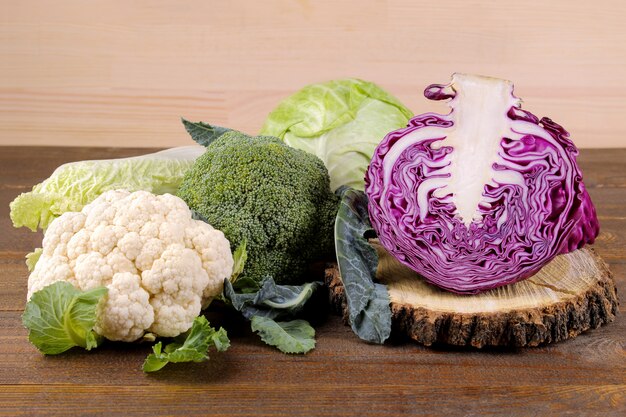
Raw cruciferous vegetables like broccoli, cabbage, cauliflower, and Brussels sprouts contain goitrogens that can inhibit iodine absorption, essential for thyroid function. Cooking these vegetables can reduce their goitrogenic effects.
3. Millet
Millet is a popular grain in many African countries, but it contains goitrogens that can block thyroid hormone production. People with thyroid issues should be cautious about consuming millet in large quantities.
4. Peaches
Peaches, while nutritious, are also classified as goitrogenic foods. Eating them in moderation is fine, but excessive consumption may affect iodine uptake in individuals prone to thyroid problems.
5. Peanuts
Peanuts, especially when consumed in large amounts, can act as goitrogens and interfere with thyroid function. It’s best for people with thyroid conditions to limit their peanut intake.
6. Spinach
Raw spinach contains oxalates, which can affect the absorption of calcium and other minerals important for thyroid health. Cooking spinach can help reduce these oxalates.
7. Strawberries
Strawberries, though packed with vitamins and antioxidants, are also mildly goitrogenic. People with hypothyroidism may need to limit their intake to avoid exacerbating thyroid issues.
8. Sweet Potatoes
Sweet potatoes contain cyanogenic glycosides, which can interfere with thyroid function. Eating them in moderation and ensuring they’re cooked properly can help minimize their goitrogenic impact.
9. Radishes
Radishes are part of the cruciferous vegetable family and contain goitrogens that can disrupt thyroid hormone production, particularly if consumed in excess.
10. Turnips
Turnips, another cruciferous vegetable, can interfere with iodine absorption. If you have a thyroid disorder, it’s best to cook turnips and eat them in moderation.
11. Pear
Pears, while rich in fiber and vitamins, can have a goitrogenic effect similar to other fruits in this category. South Africans should enjoy pears in moderation if concerned about thyroid health.
12. Mustard Greens
Mustard greens are another cruciferous vegetable that can impair iodine absorption and suppress thyroid function, especially when consumed raw. Cooking them helps reduce their goitrogenic properties.
13. Bok Choy
Bok choy, a popular vegetable in South African and Asian cuisines, contains goitrogens that can interfere with iodine utilization. Cooking it can reduce these effects.
14. Flaxseeds
Flaxseeds are high in omega-3s and fiber, but they also contain goitrogenic compounds. Moderation is key, especially for individuals with thyroid disorders.
15. Kale
Kale, though considered a superfood, is a goitrogenic vegetable that can interfere with thyroid function when eaten raw. Cooking kale reduces its goitrogen content, making it safer for thyroid health.
16. Cassava
Cassava is a staple food in many African countries, but it contains compounds that can produce cyanide in the body and inhibit thyroid function. Proper preparation and cooking of cassava are essential to reduce its toxic effects.
17. Walnuts
Walnuts contain goitrogens that can reduce the effectiveness of thyroid hormones. People with thyroid issues should limit their intake of walnuts or consult with their healthcare provider.
18. Canola Oil
Canola oil, used in many cooking processes, may negatively impact thyroid health due to its goitrogenic properties. Opting for healthier oils like olive oil or coconut oil is a better choice for maintaining thyroid function.
19. Bamboo Shoots
Bamboo shoots are used in various traditional dishes, but they contain cyanogenic glycosides, which can interfere with thyroid hormone production. Cooking bamboo shoots thoroughly can minimize their negative impact.
20. Gluten-Containing Foods
Many individuals with thyroid disorders, especially those with Hashimoto’s thyroiditis, are sensitive to gluten. Gluten can cause inflammation in the thyroid gland and exacerbate autoimmune thyroid conditions. Limiting foods like wheat, barley, and rye can benefit thyroid health.
Maintaining a healthy thyroid involves more than just taking medication or supplements; it also requires paying close attention to your diet. While many of these foods offer essential nutrients, their goitrogenic or toxin-producing properties can negatively affect thyroid function, particularly when consumed in excess or when raw. For South Africans concerned about their thyroid health, the key is moderation and ensuring foods are properly prepared. Always consult with a healthcare professional or a nutritionist if you have thyroid concerns to tailor your diet according to your specific needs.