Iron is an essential mineral your body needs to grow, produce red blood cells and transport oxygen throughout the body. When iron levels fall too low, your red blood cells can’t function effectively—leading to iron-deficiency anemia. This common condition can cause fatigue, shortness of breath, headaches and more severe complications if left untreated.
Thankfully, managing anemia often starts with your plate. By choosing the right iron-rich foods and knowing what to avoid, you can support your body’s ability to build healthy red blood cells naturally.
What Is Iron-Deficiency Anemia?
Iron-deficiency anemia happens when your body doesn’t have enough iron to produce hemoglobin, the oxygen-carrying protein in red blood cells. Causes can include blood loss, poor dietary intake, malabsorption issues or chronic health conditions. Common symptoms include tiredness, weakness, pale skin and dizziness.
There are two forms of dietary iron:
- Heme iron, found in animal products and easily absorbed by the body.
- Non-heme iron, found in plant-based foods and absorbed less efficiently.
To boost iron absorption, especially from non-heme sources, pair iron-rich foods with vitamin C-rich fruits and vegetables such as oranges, strawberries or red bell peppers.
Iron-Rich Foods to Add to Your Diet
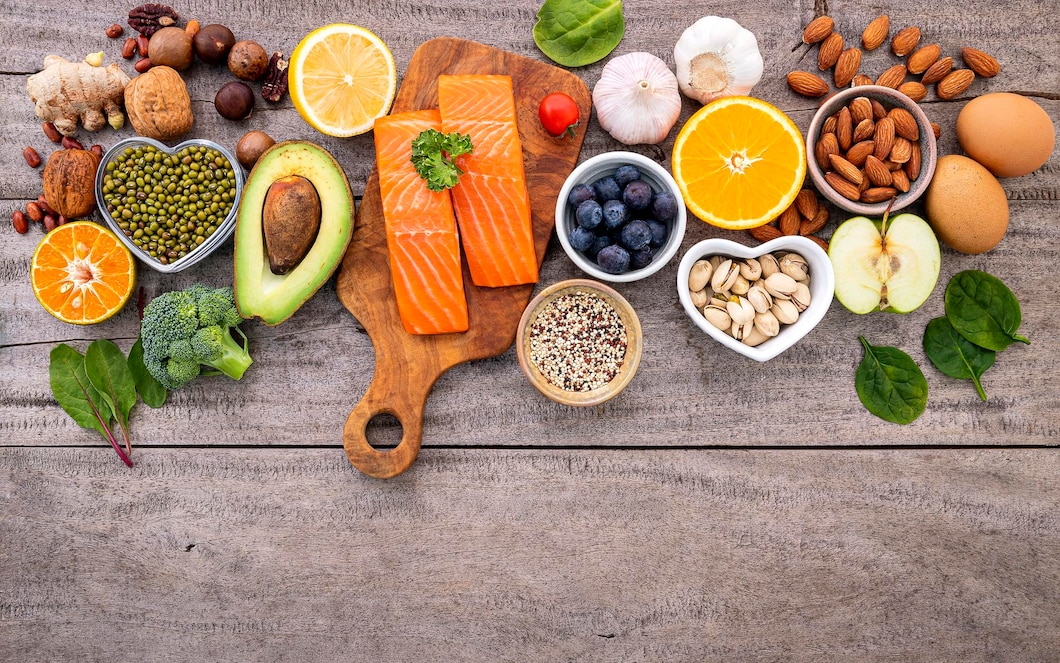
A healthy, iron-rich diet includes a mix of animal-based and plant-based foods. Below are 70 foods that are high in iron and ideal for people managing anemia.
Fruits and Vegetables High in Iron
These fruits and veggies are rich in non-heme iron and perfect to include in daily meals:
- Spinach
- Kale
- Swiss chard
- Collard greens
- Beet greens
- Broccoli
- Green beans
- Peas
- Sweet potatoes
- Prunes
- Figs
- Raisins
- Dried apricots
- Dried peaches
- Dates
- Strawberries
- Watermelon
Nuts and Seeds High in Iron
Nuts and seeds are excellent plant-based iron sources, and they’re easy to add to smoothies, cereals or salads:
- Almonds
- Cashews
- Pistachios
- Pine nuts
- Peanuts
- Macadamia nuts
- Sesame seeds
- Pumpkin seeds
- Flax seeds
- Hemp seeds
Meats High in Iron
Animal proteins offer heme iron, which your body absorbs more efficiently than plant-based iron:
- Beef
- Lamb
- Veal
- Pork
- Goat
- Turkey
- Chicken
- Ham
- Eggs
- Liver (beef or chicken)
- Liverwurst
- Game meats such as venison or bison
Seafood High in Iron
Seafood is another excellent source of heme iron and provides omega-3s and essential nutrients:
- Clams
- Mussels
- Oysters
- Crab
- Lobster
- Scallops
- Shrimp
- Tuna
- Sardines
- Haddock
- Halibut
- Sea bass
- Trout
Legumes High in Iron
Legumes are rich in plant-based protein and fiber—great for heart health and improving iron intake:
- Lentils
- Black beans
- White beans
- Pinto beans
- Kidney beans
- Soybeans
- Tofu
- Hummus
- Chickpeas
- Split peas
Whole Grains High in Iron
Whole grains and fortified products are good sources of non-heme iron. Make swaps to increase your iron intake:
- Whole wheat bread
- Whole wheat pasta
- Brown rice
- Oatmeal
- Enriched white bread
- Enriched pasta
- Iron-fortified cereals (bran flakes, oat cereal)
- Pumpernickel bread
- Rye bread
- Cornmeal
Other Iron-Rich Foods
These sweeteners and condiments can help boost your iron levels in small quantities:
- Blackstrap molasses
- Maple syrup
- Iron-fortified nutrition bars or shakes
Foods to Avoid or Limit If You Have Anemia
Certain foods and drinks can interfere with iron absorption or contribute to poor iron status when consumed in excess. If you’re trying to correct or manage anemia, it’s wise to limit the following:
- Dairy products: Calcium competes with iron for absorption. If consuming dairy, space it out at least one hour before or after iron-rich meals.
- Caffeinated drinks: Tea, coffee and some sodas contain tannins and polyphenols, which inhibit iron absorption.
- Red wine and beer: Also high in tannins, these can interfere with your body’s ability to use dietary iron.
- High-fiber whole grains (in large quantities): Though healthy, phytic acid in some grains can inhibit non-heme iron absorption. Pair them with vitamin C to counteract this effect.
- Alcohol (excessive intake): Can suppress red blood cell production and worsen existing deficiencies.
Should You Take Iron Supplements?
Food is the best source of iron, but in some cases, supplements may be necessary. Your doctor may recommend an iron supplement if you have moderate to severe anemia or if you’re unable to meet your needs through diet alone. Always choose a medically approved and third-party tested supplement, and take it as directed—usually on an empty stomach or with a source of vitamin C.
If you’ve been diagnosed with iron-deficiency anemia, the right diet can make a significant difference in how you feel and recover. Focus on whole, iron-rich foods—especially heme sources—and combine them with vitamin C-rich produce to support optimal absorption. Avoid or limit foods that hinder iron uptake and speak with your healthcare provider about whether supplementation is needed.
By nourishing your body with these 70 iron-rich foods, you’ll be supporting stronger blood, better energy and overall improved health.