Fermented drinks have become increasingly popular in South African kitchens due to their health benefits, unique flavours, and cultural roots. These beverages are rich in probiotics, which support gut health, boost immunity, and aid digestion. From traditional fermented drinks to modern twists, South Africans are exploring a variety of options that combine wellness with taste. This article explores the most popular fermented drinks currently trending in SA kitchens and how they are made.
1. Kombucha
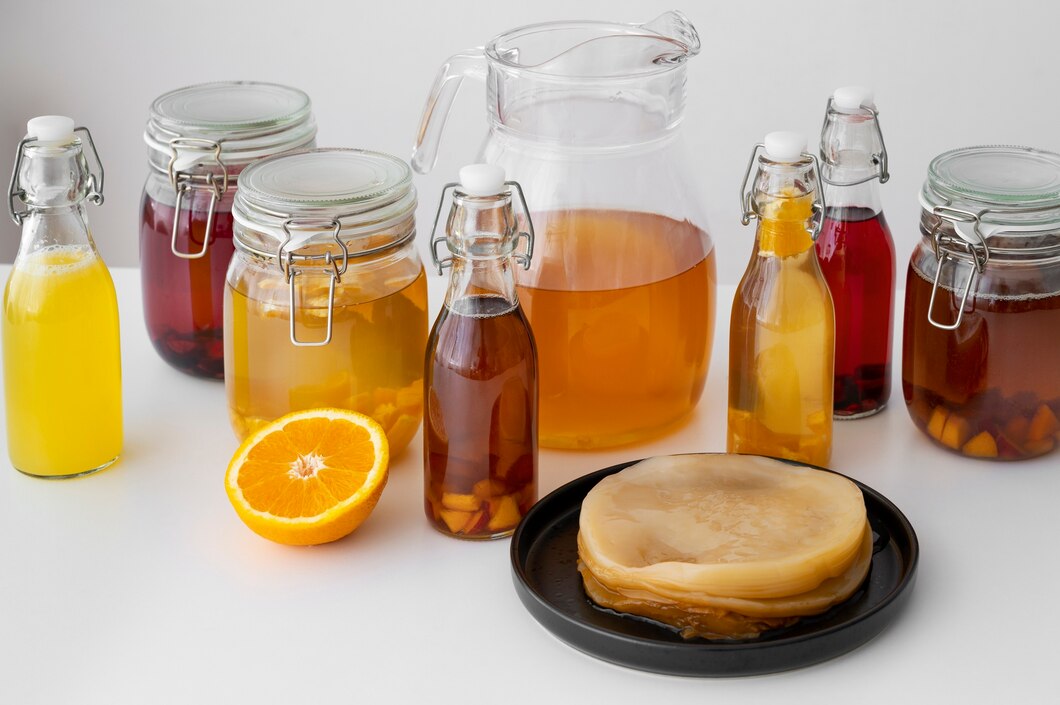
Kombucha is a slightly fizzy tea fermented with a symbiotic culture of bacteria and yeast (SCOBY). It has a tangy, refreshing taste and can be flavoured with fruits, herbs, or spices. South Africans enjoy homemade kombucha for its digestive benefits and versatility. Brewing kombucha requires tea, sugar, and a SCOBY, with fermentation taking 7–14 days.
2. Ginger Beer
Traditional South African ginger beer is naturally fermented and mildly alcoholic. Made by fermenting ginger, sugar, and water with a starter culture or yeast, it develops a strong, spicy flavour and natural effervescence. It is often served chilled as a refreshing drink or used as a mixer in cocktails.
3. Fermented Fruit Juices
Fermented fruit juices are gaining traction for their probiotic content and natural sweetness. Citrus, apple, or tropical fruit juices are combined with sugar and a starter culture, then left to ferment for a few days. The result is a lightly carbonated, tangy beverage that can replace soft drinks in everyday consumption.
4. Mahewu
Mahewu, a traditional South African fermented maize drink, is a staple in many households. It is made from maize meal, water, and a starter culture, producing a mildly sour, thick drink. Mahewu is often consumed chilled as a refreshing beverage or served alongside meals.
5. Kefir
Kefir is a fermented milk drink that originated from the Caucasus region but has become popular in South Africa. Milk is combined with kefir grains and left to ferment for 24 hours, resulting in a tangy, creamy beverage rich in probiotics. Kefir can also be made with water and sugar for a dairy-free option.
6. Sourdough Fermented Drinks
Some South Africans are experimenting with fermented beverages derived from sourdough starters. By combining sourdough cultures with water, sugar, and fruit, a mildly tangy, effervescent drink is produced. These beverages are often served as functional drinks with added vitamins or herbs.
7. Tepache
Tepache, a fermented pineapple drink from Mexico, is increasingly being made in SA kitchens using local pineapples. Fermenting pineapple peel with sugar and spices creates a lightly alcoholic, sweet-tangy drink with natural carbonation. It is often served chilled as a refreshing summer beverage.
8. Traditional Sorghum Beer (Umqombothi)
Umqombothi is a traditional South African sorghum beer with a deep cultural significance. Made from fermented sorghum malt, maize, and water, it has a thick texture, slightly sour taste, and low alcohol content. While mostly homemade in rural areas, modern urban brewers are experimenting with its flavours for commercial consumption.
Tips for Safe Fermentation at Home
- Always use clean, sterilised jars and utensils.
- Monitor fermentation closely to prevent over-fermentation or contamination.
- Use fresh, high-quality ingredients for the best flavour.
- Store fermented drinks in the fridge once the desired taste is achieved.
- Taste small amounts regularly during fermentation to control flavour and fizziness.
Fermented drinks are trending in South African kitchens because they combine health benefits with creative flavours. From kombucha and kefir to mahewu and ginger beer, these beverages offer a unique way to enjoy natural probiotics while celebrating both traditional and modern culinary practices. Incorporating fermented drinks into your routine can support digestion, improve immunity, and introduce exciting flavours to everyday meals.