Refrigeration is often seen as the safest way to store food, but it is not always the best option. Many people automatically place everything in the fridge without realizing it can damage texture, flavor, and shelf life. Some foods actually spoil faster or lose quality when stored at low temperatures. Cold air can alter natural ripening processes and reduce taste intensity. It can also change the structure of certain ingredients, making them mushy or bland. Understanding proper storage methods helps you keep food fresher for longer. This guide highlights twelve foods you should stop refrigerating and explains how to store them correctly.
Why Not All Foods Belong in the Fridge
Refrigeration slows bacterial growth, but it also affects natural enzymes in food. Some fruits and vegetables stop ripening properly in cold environments. Others lose moisture or become rubbery. Starches can convert to sugars too quickly or unevenly. Flavor compounds can also break down in low temperatures. Proper storage depends on the type of food, not a one size fits all rule. Knowing this helps reduce waste and improve taste.
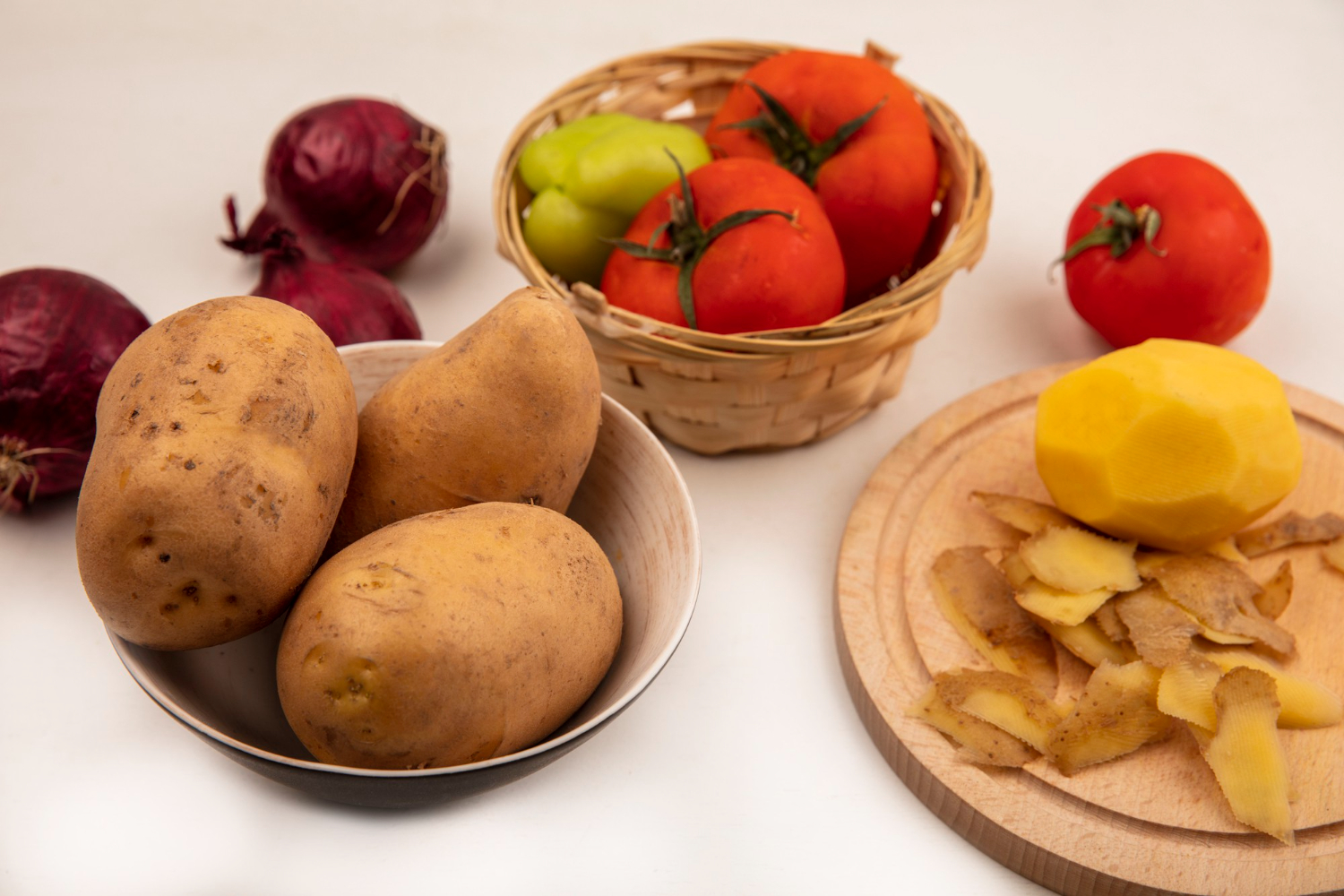
1. Tomatoes
Tomatoes lose flavor and become mealy in the fridge. Cold temperatures damage their texture. Store them at room temperature away from direct sunlight. This allows them to ripen naturally.
2. Potatoes
Potatoes convert starch into sugar when refrigerated. This changes their taste and texture. Store them in a cool, dark place instead. Avoid plastic bags to prevent moisture buildup.
3. Onions
Onions become soft and moldy in the fridge. They need airflow to stay fresh. Store them in a dry, ventilated area. Keep them away from potatoes.
4. Garlic
Garlic loses flavor and can sprout in the fridge. It stays fresh longer in a dry environment. Store it in a breathable container. Keep it in a cool pantry.
5. Bananas
Bananas stop ripening in the fridge and their skin turns black. They should be kept at room temperature. Separate them from other fruits to slow ripening if needed.
6. Bread
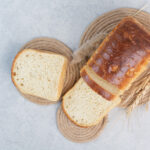
Bread dries out faster in the fridge. Cold temperatures accelerate staling. Store it in a bread box or freeze it instead. Keep it sealed to maintain softness.
7. Honey
Honey crystallizes and thickens in cold conditions. It does not need refrigeration. Store it at room temperature in a sealed jar. It naturally lasts a long time.
8. Coffee
Coffee absorbs moisture and odors in the fridge. This affects flavor quality. Store it in an airtight container in a cool, dark place. Grind only what you need.
9. Avocados
Unripe avocados stop ripening in the fridge. Keep them at room temperature until soft. Refrigerate only when fully ripe if needed.
10. Olive Oil
Olive oil solidifies in cold temperatures. This changes its texture and usability. Store it in a cool, dark cabinet. Keep the bottle tightly sealed.
11. Melons
Whole melons lose antioxidants and flavor in the fridge before cutting. Store them at room temperature. Refrigerate only after slicing.
12. Stone Fruits
Peaches, plums, and nectarines do not ripen properly in the fridge. Cold slows flavor development. Keep them at room temperature until ripe. Refrigerate only if fully ripened.
Tips for Proper Food Storage
Understand whether a food needs ripening or preservation. Use cool, dry spaces for pantry items. Store fruits separately when needed. Keep produce in breathable containers. Refrigerate only when necessary. Check food regularly for spoilage. Organize storage areas to avoid confusion.
Common Mistakes to Avoid
Do not refrigerate all fruits and vegetables automatically. Avoid storing bread in cold environments. Do not mix incompatible produce together. Avoid sealing items without airflow when not required. Do not ignore ripening stages of fruit. Avoid storing oils in warm or bright areas. Do not rely on one storage method for all foods.
Proper food storage plays a major role in preserving flavor, texture, and freshness. Many foods do not benefit from refrigeration and can actually lose quality when exposed to cold temperatures. Understanding how different ingredients react to storage conditions helps you make better decisions in the kitchen. Items like tomatoes, bananas, and bread perform better at room temperature. Others like potatoes and onions require dry, well ventilated spaces. Simple adjustments in storage habits can reduce waste and improve taste. By using the right methods, you can keep your food fresher, more flavorful, and longer lasting every day.