Food rescue relies on trucks, warehouses, cold rooms and data. It also relies on women whose leadership and community knowledge turn surplus food into safe, reliable access.
A refrigerated truck can carry food across a province. A warehouse can keep it safe. Data can account for every kilogram. None of those systems, by themselves, can tell you which community kitchen is under pressure, how best to use an unpredictable mix of surplus ingredients or what it takes to keep a trusted community service running day after day.
That last mile depends on people. Across SA Harvest’s network, much of it is led by women.
This year, South Africa marks the 70th anniversary of the historic 1956 Women’s March under the Women’s Month theme, “Empowered Women, Empower Nations”. In the food-access system, empowerment has a practical meaning. It looks like women managing teams, coordinating deliveries, running kitchens, keeping records, teaching food skills and building organisations their communities can depend on.
“Food rescue is often described in kilograms and meals, but those numbers are created by a chain of human decisions,” says Cassandra Potgieter, Head of Strategy and Marketing at SA Harvest. “Trucks, warehouses, cold rooms and data make redistribution possible. Women who understand their communities make it work. They are operators, educators, organisers and leaders, and their contribution deserves recognition and sustained investment.“
Since 2019, SA Harvest has rescued more than 25 million kilograms of safe, edible surplus food and enabled over 100 million meals through a national network of vetted community-based organisations. The women profiled here represent the leadership and practical expertise that turn this food-rescue infrastructure into daily food access.
Linda van Oudheusden: sustaining a community institution

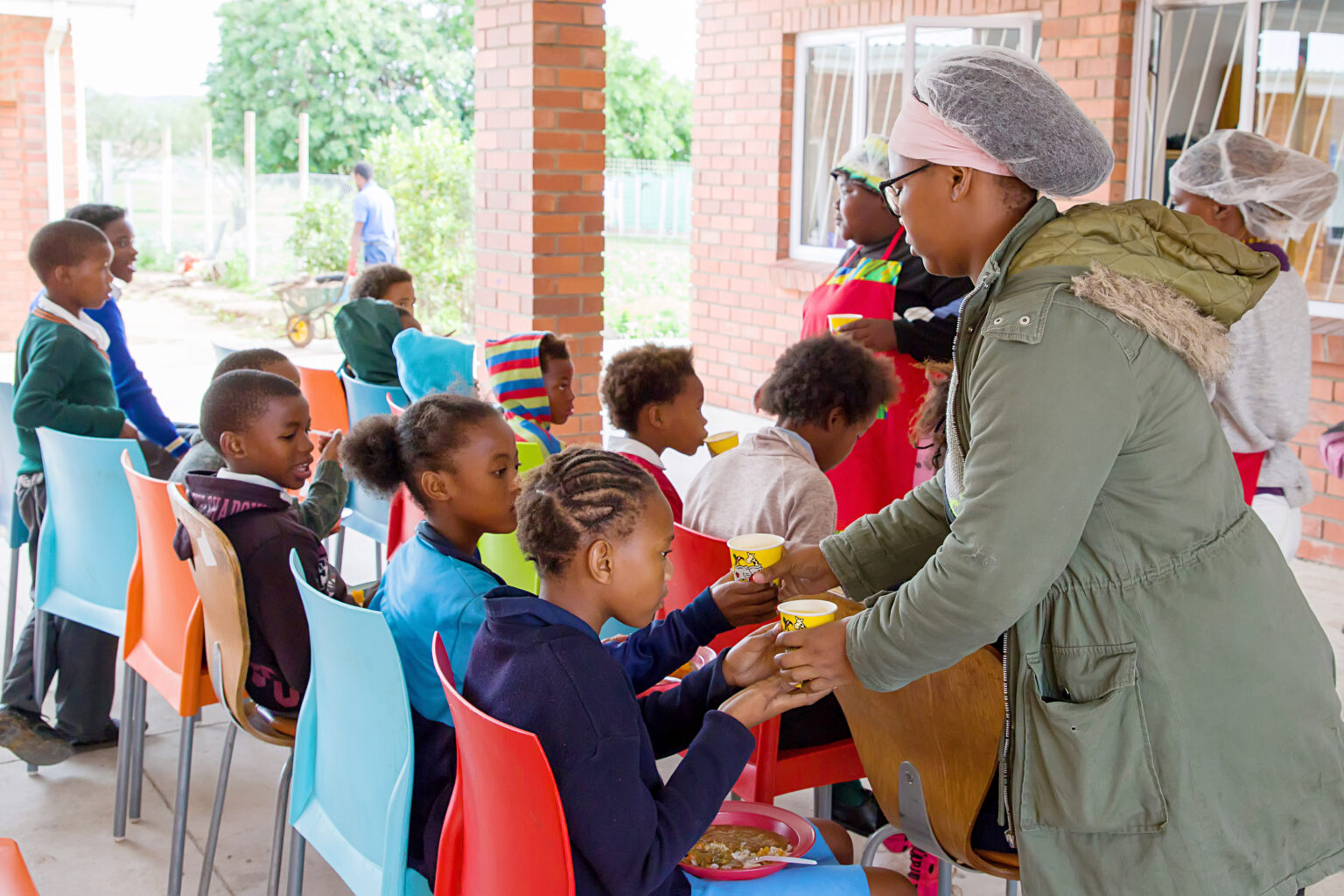
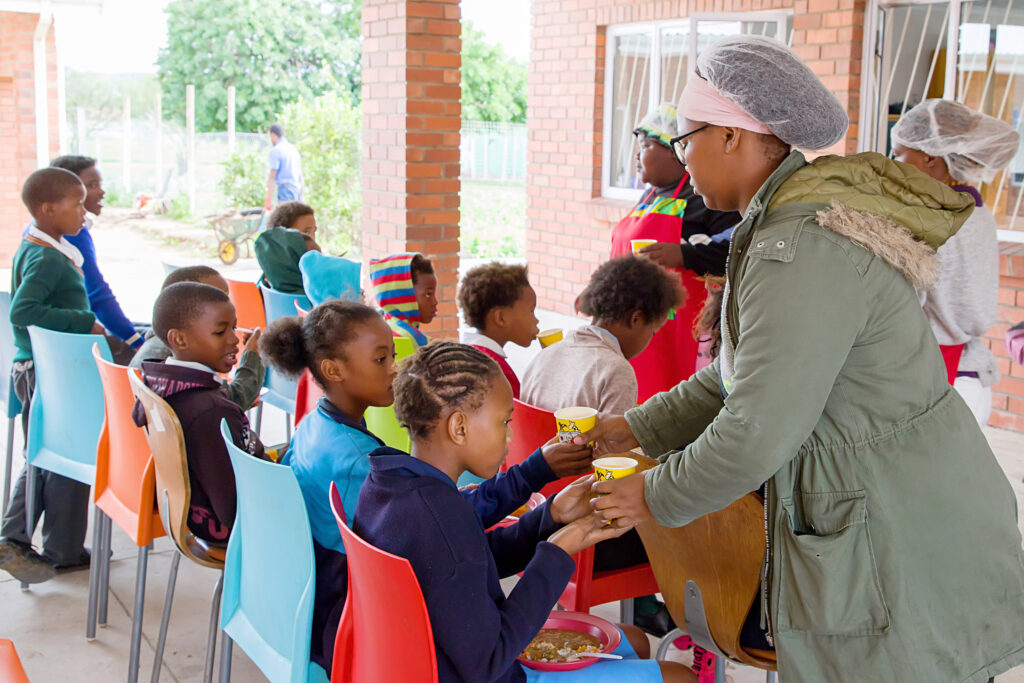
Missionvale Care Centre has served communities outside Gqeberha for more than 30 years. Its current programmes provide breakfast and lunch to 200 children every day, weekly food parcels to 500 families, bread to between 400 and 800 community members daily, and meals for 100 young people participating in skills-development programmes.
As Missionvale’s marketing manager and fundraiser, Linda van Oudheusden helps sustain the relationships and resources behind this work. Missionvale is also a key SA Harvest implementation partner in Nelson Mandela Bay, receiving safe surplus food collected from farms, retailers and manufacturers and connecting it with families, schools, community kitchens and shelters across the region.
Linda’s contribution demonstrates that last-mile food access requires more than delivery. It depends on trusted institutions, strong relationships and people who can connect operational resources with the realities of a community.
Anke Hamers: building where distance creates barriers

Anke Hamers is one of the co-founders of iThemba Kuluntu, established with her husband, TJ Hanneman, and local community leaders in Cwebeni, near Port St Johns.
Together, they have helped develop infrastructure that supports Cwebeni’s food and community systems: an Early Childhood Development centre, a greenhouse producing fresh vegetables and a community centre supporting skills development and local participation.
As an SA Harvest community partner in Pondoland, iThemba Kuluntu helps distribute safe surplus food across several villages. Its work illustrates an important food-security reality: in remote areas, food access cannot be separated from transport, local production, early learning and trusted community distribution.
Anke’s contribution sits at the intersection of these systems, helping to build local capacity that can remain and grow within the community.
Pinky Tshabalala: turning ingredients into knowledge
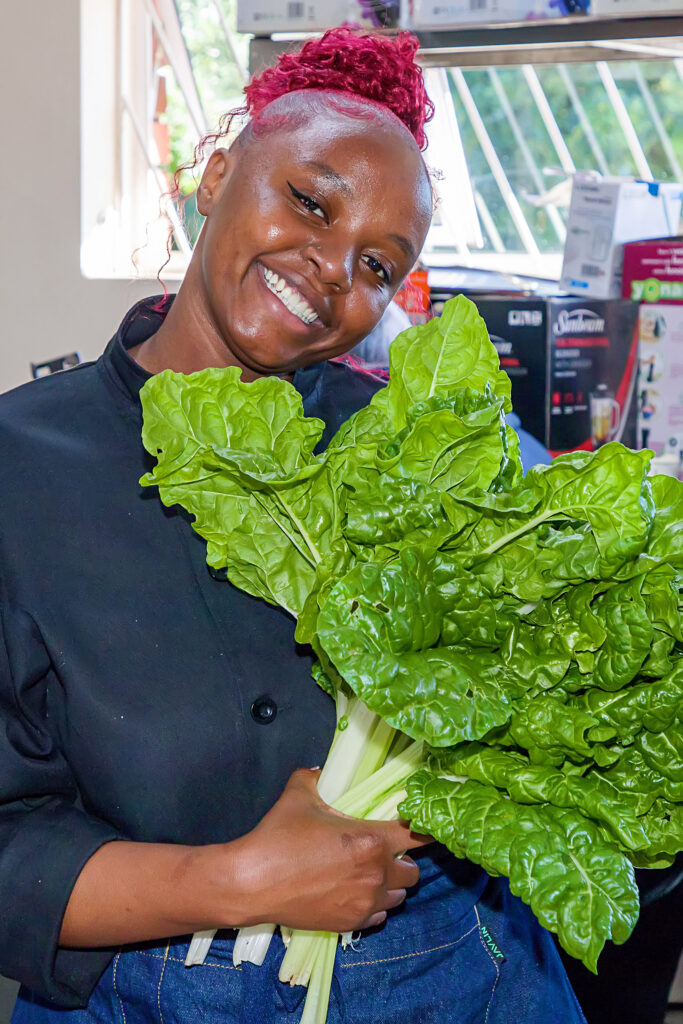
Food rescue does not end when food reaches a community kitchen. Surplus food arrives in changing quantities and combinations. Using it safely, nutritiously and resourcefully requires practical knowledge.
As SA Harvest’s Food and Nutrition Coordinator, Pinky Tshabalala works as a qualified chef and partners with CBO teams and community members to strengthen that knowledge. She demonstrates how available ingredients can be turned into balanced, nourishing meals and helps communities make better use of the food moving through SA Harvest’s network.
Her work addresses a frequently overlooked part of food access: the knowledge needed to convert a varied supply of surplus food into meals that work for real households and community kitchens. Every practical skill shared helps extend the usefulness of the food rescued and reduce avoidable waste.
Cwebeni’s ECD practitioners: building a stronger start
Forty women from communities surrounding Cwebeni have received Early Childhood Development training through a programme supported by SA Harvest, the Lingham Foundation and FNB.
The Cwebeni ECD centre now serves 120 children each day, providing early learning, care and meals. Training women from the surrounding communities strengthens the pool of local capability supporting that work while creating skills and opportunities that remain within the region.
The programme also connects two systems that are too often treated separately: early learning and nutrition. Children cannot participate fully in education when food access is uncertain, while reliable nutrition has greater long-term value when it supports learning, development and care.
These women are helping to build that connection for a new generation.
Recognition must be matched by investment
The settings may differ, but the pattern is consistent. Physical infrastructure moves food. Social infrastructure turns it into access.
Women across SA Harvest’s network maintain the relationships that make dignified distribution possible. They understand local needs, organise people, solve daily operational problems and build programmes that extend the value of rescued food beyond a single meal.
Their contribution should not be treated as supplementary to South Africa’s food-security response. It is part of the response.
Women’s Month gives the country an opportunity to recognise that work. The more important test is what happens after August: whether women-led community organisations are resourced as capable delivery partners, included in planning and supported to strengthen their operations, governance, skills and infrastructure. Recognition matters. Resourcing the work is what will make it last.
The More Than a Meal documentary series, produced in partnership with the Lingham Foundation, follows some of these women in Missionvale and Cwebeni and offers a closer view of the systems they help bring to life.
More information about SA Harvest’s work is available at saharvest.org.