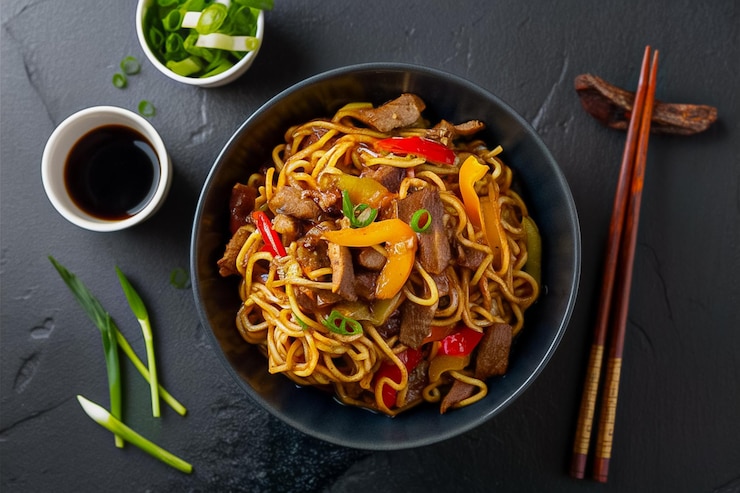
When you need a satisfying dinner without spending hours in the kitchen, vegetable chow mein is an excellent choice. This popular noodle dish combines tender noodles, crisp vegetables and a savoury sauce for a meal packed with flavour and texture. You can prepare it in just 15 minutes using everyday ingredients and a single pan or wok. It is also a great way to use leftover vegetables and create a colourful meal with very little waste. The combination of garlic, ginger, soy sauce and sesame oil gives the noodles a delicious takeaway-style flavour. You can easily adjust the ingredients to suit your preferences or add tofu, chicken or another source of protein. This 15-minute vegetable chow mein recipe is ideal for busy weeknights when you want a quick, affordable and delicious homemade dinner.
What Is Vegetable Chow Mein?
Vegetable chow mein is a Chinese-inspired noodle dish made with stir-fried noodles, vegetables and a savoury sauce. The name chow mein comes from the Cantonese words for fried noodles. Traditional versions vary depending on the region, ingredients and cooking method.
The dish usually contains noodles, cabbage, carrots, onions and spring onions. Garlic, ginger, soy sauce and sesame oil create its familiar savoury flavour.
One of the best things about homemade vegetable chow mein is its flexibility. You can use vegetables you already have in your fridge, adjust the sauce and choose your preferred noodles. It also cooks quickly because the ingredients spend only a short time in a hot pan.
15-Minute Vegetable Chow Mein Recipe
<AsyncImage query=”Chinese vegetable chow mein stir fried noodles cabbage carrots peppers spring onions sesame seeds in bowl” aspectRatio=”16:9″ width=”100%”/>
<text color=”secondary” size=”sm”>Preparation: 5 minutes | Cooking: 10 minutes | Servings: 2 to 3</text>
This easy vegetable chow mein recipe delivers tender noodles, crunchy vegetables and a rich savoury sauce. Prepare all your ingredients before heating the wok because stir-frying moves quickly.
Ingredients
For the noodles and vegetables:
- 250 g chow mein noodles or egg noodles
- 1 tablespoon vegetable oil
- 2 cloves garlic, finely chopped
- 1 teaspoon fresh grated ginger
- 1 small onion, thinly sliced
- 1 medium carrot, julienned
- 1 red bell pepper, thinly sliced
- 2 cups shredded cabbage
- ½ cup sliced mushrooms, optional
- 3 spring onions, sliced
- 1 teaspoon sesame seeds, optional
For the chow mein sauce:
- 3 tablespoons soy sauce
- 1 tablespoon oyster sauce or vegetarian mushroom sauce
- 1 teaspoon sesame oil
- 1 teaspoon rice vinegar
- 1 teaspoon honey or brown sugar
- 2 tablespoons water
- ½ teaspoon cornflour, optional, for a slightly thicker sauce
Method
- Cook the noodles according to the packet instructions. Drain them and rinse briefly under cold water if the instructions recommend it. Set aside.
- Mix the soy sauce, oyster or mushroom sauce, sesame oil, rice vinegar, honey and water in a small bowl. Add the cornflour if you prefer a thicker sauce.
- Heat the vegetable oil in a large wok or frying pan over medium-high heat.
- Add the garlic and ginger. Stir-fry for about 30 seconds until fragrant.
- Add the onion, carrot, bell pepper and mushrooms. Cook for 2 minutes, stirring frequently.
- Add the shredded cabbage and cook for another 1 to 2 minutes. Keep the vegetables slightly crisp.
- Add the cooked noodles and pour over the prepared sauce.
- Toss everything together for 2 minutes until the noodles are heated through and evenly coated.
- Stir in the spring onions and remove the pan from the heat.
- Serve immediately with sesame seeds scattered over the top.
The Best Vegetables for Chow Mein
A good vegetable chow mein combines different colours, textures and flavours. Choose vegetables that cook quickly and retain some crunch during stir-frying.
Cabbage
Cabbage is a classic chow mein ingredient. It softens quickly while maintaining a pleasant crunch. Green cabbage works particularly well, but you can also use Chinese cabbage or pak choi.
Carrots
Carrots add colour, natural sweetness and texture. Cut them into thin strips so they cook quickly and mix easily with the noodles.
Bell Peppers
Red, yellow and green peppers bring freshness and colour to the dish. Slice them thinly to help them cook evenly without becoming too soft.
Mushrooms
Mushrooms add a savoury, earthy flavour that works well with soy sauce and garlic. Button mushrooms, shiitake mushrooms and oyster mushrooms are all suitable choices.
Spring Onions
Spring onions provide a fresh, mildly sharp flavour. Add them towards the end of cooking to preserve their colour and texture.
Bean Sprouts
Bean sprouts add a fresh crunch to chow mein. Stir them in during the final minute of cooking so they do not become overly soft.
How to Make the Perfect Chow Mein Sauce
The sauce brings all the ingredients together. A good chow mein sauce should taste savoury, slightly sweet and balanced with a little acidity.
Soy sauce provides the salty, umami base. Oyster sauce adds depth, while mushroom sauce makes a useful vegetarian alternative. Sesame oil contributes a nutty aroma, and rice vinegar balances the richness.
For a little heat, add chilli flakes, fresh chilli or a teaspoon of chilli oil. If you prefer a sweeter sauce, add a little more honey or brown sugar.
Taste the sauce before adding it to the noodles. Different soy sauce brands have different salt levels, so adjust the quantities to suit your preference. If the sauce tastes too strong, add a tablespoon of water.
Tips for Making Vegetable Chow Mein in 15 Minutes
A few simple techniques can help you prepare delicious chow mein quickly without sacrificing texture.
- Prepare everything first: Slice the vegetables, mix the sauce and cook the noodles before heating your pan.
- Use a large pan: A spacious wok or frying pan gives the ingredients room to cook evenly.
- Keep the heat high: Medium-high to high heat helps vegetables cook quickly while retaining their crunch.
- Avoid overcrowding: Too many ingredients in the pan can cause them to steam instead of stir-fry.
- Do not overcook the noodles: Follow the packet instructions and drain them while they still have a little bite.
- Cut vegetables evenly: Thin, uniform pieces cook faster and create a better texture.
- Add the sauce near the end: This prevents the noodles from becoming soggy.
If your pan is small, cook the vegetables in batches and combine everything at the end.
Easy Variations of Vegetable Chow Mein
One of the biggest advantages of this recipe is how easily you can adapt it. Use the basic sauce and cooking method as a starting point, then change the ingredients to suit your meal.
Vegetable and Tofu Chow Mein
Add 150 g of firm tofu cut into cubes. Pat the tofu dry and fry it in a little oil until golden. Remove it from the pan, prepare the vegetables and noodles, then return the tofu to the pan before adding the sauce.
Spicy Vegetable Chow Mein
Add fresh red chilli, chilli flakes or chilli oil to the sauce. A little extra ginger also creates a warming flavour. Adjust the chilli gradually so you can control the heat.
Mushroom Chow Mein
Use a mixture of button, shiitake and oyster mushrooms. Cook them until lightly browned before adding the other vegetables. Mushroom sauce can add extra savoury depth.
Vegetable and Chicken Chow Mein
Add 150 g of thinly sliced chicken breast. Cook it thoroughly in the hot pan before adding the vegetables. Keep the cooked chicken separate from raw ingredients while preparing the rest of the dish, then combine everything with the noodles and sauce.
Gluten-Free Vegetable Chow Mein
Use certified gluten-free rice noodles and replace regular soy sauce with gluten-free tamari. Check the labels on your other sauces because oyster sauce and some prepared stir-fry sauces may contain wheat.
Which Noodles Work Best for Chow Mein?
The noodles you choose affect the final texture and flavour of your dish. Traditional chow mein often uses wheat-based egg noodles, but several alternatives work well.
- Chow mein noodles: These are a convenient choice and provide the familiar takeaway-style texture.
- Egg noodles: They have a slightly rich flavour and work well with savoury sauces.
- Fresh wheat noodles: These cook quickly and often have a soft, springy texture.
- Rice noodles: These offer a gluten-free alternative when made from suitable ingredients.
- Wholewheat noodles: These provide more fibre and a slightly nutty flavour.
Always follow the cooking instructions on the packet. Some noodles need boiling before stir-frying, while others can go directly into the pan.
What to Serve With Vegetable Chow Mein
Vegetable chow mein is filling enough to serve on its own, but you can add simple sides when preparing a larger meal.
Try serving it with:
- Vegetable spring rolls.
- Steamed dumplings.
- Crispy tofu bites.
- Asian-style cucumber salad.
- Steamed broccoli.
- Sweet chilli dipping sauce.
- A light vegetable soup.
For a balanced meal, add a protein source such as tofu, edamame, chicken or prawns. You can also increase the vegetable portion for a lighter, fibre-rich dinner.
How to Store and Reheat Leftover Chow Mein
Homemade vegetable chow mein is best served immediately, but leftovers can be stored for another meal.
Allow the noodles to cool promptly and transfer them to an airtight container. Refrigerate within two hours of cooking and use within three days. Keep the container sealed to prevent the noodles from drying out or absorbing other fridge smells.
To reheat, place the noodles in a frying pan with a small splash of water. Stir over medium heat until steaming hot throughout. You can also use a microwave, stirring halfway through to distribute the heat evenly.
Avoid reheating the same portion more than once. If you plan to make chow mein ahead of time, keep the sauce separate and slightly undercook the noodles and vegetables before storing them.
This 15-minute vegetable chow mein recipe makes it easy to prepare a delicious homemade dinner with simple ingredients. Tender noodles, crisp vegetables and a savoury garlic and soy sauce create a satisfying combination that works for the whole family. You can use cabbage, carrots, peppers, mushrooms and spring onions or substitute whatever vegetables you have available. The quick cooking method helps preserve the vegetables’ texture while allowing the noodles to absorb the flavourful sauce. You can also customise the dish with tofu, chicken, mushrooms or fresh chilli to suit your preferences. Preparing the ingredients before heating your pan is the key to keeping the cooking time short and achieving an even stir-fry. Whether you need a quick weeknight meal, an affordable lunch or a way to use leftover vegetables, homemade vegetable chow mein is a practical option. Keep this easy recipe handy whenever you want a fresh, flavourful dinner without spending hours in the kitchen.