
Reducing oil in cooking is a smart way to make meals healthier without sacrificing taste. Many South African households rely on oil for frying, sautéing, and roasting, but using too much can increase calories and fat intake. The key to cooking with less oil is combining proper techniques with flavourful ingredients. Herbs, spices, citrus, and stock can enhance dishes naturally. With the right methods, you can maintain moisture, texture, and depth while cutting down on oil. This article explores practical strategies for cooking with less oil without compromising flavour.
Choose the Right Cooking Methods
Certain cooking methods naturally require less oil while intensifying flavour. Steaming and poaching preserve moisture and allow herbs and spices to infuse dishes. Baking or roasting with minimal oil and a drizzle of stock or marinade keeps vegetables and proteins juicy. Grilling and braaing bring out natural sweetness and smoky flavours without heavy oil. Stir-frying can also be done with just a teaspoon of oil if the pan is hot and ingredients are cut small. Choosing the right method reduces the need for excess fat.
Enhance Flavour With Herbs and Spices
Using herbs and spices is a powerful way to boost taste without adding oil. Garlic, ginger, and onions create a strong flavour base. Fresh herbs like coriander, parsley, and basil brighten dishes, while dried herbs add depth. Spices such as paprika, turmeric, cumin, and cinnamon enhance aroma and complexity. A simple sprinkle of smoked paprika or a dash of chili can make roasted vegetables taste indulgent without oil. Layering herbs and spices ensures each bite is rich in flavour.
Use Liquids to Prevent Dryness
Replacing some oil with liquids can maintain moisture in cooking. Water, vegetable or chicken stock, and citrus juices prevent sticking and keep food tender. For sautéing, add a splash of stock instead of coating ingredients in oil. When roasting vegetables, toss them lightly with stock and herbs instead of oil. Braising meats in stock or tomato sauce delivers succulent results while keeping calories lower. Liquids help ingredients cook evenly and absorb flavour.
Opt for Non-Stick or Well-Seasoned Cookware
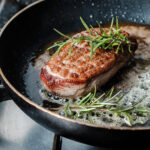
Using non-stick pans or well-seasoned cast iron skillets reduces the amount of oil needed. Ingredients glide easily without sticking, making it possible to brown or sear proteins with minimal fat. Oven trays with silicone mats allow roasting without drenching food in oil. Proper cookware ensures cooking efficiency and flavour retention even with reduced oil.
Incorporate Natural Fats Strategically
When some fat is needed for texture or richness, choose nutrient-dense options. Olive oil, avocado, or nut butters can be used sparingly to enhance flavour. A drizzle of oil at the end of cooking adds aroma and richness without excess calories. Toasting spices or seeds lightly in a small amount of oil intensifies flavour and releases oils naturally present in the ingredients.
Cooking with less oil does not mean sacrificing flavour. By choosing the right methods, incorporating herbs and spices, using liquids, and selecting suitable cookware, you can create meals that are healthy, vibrant, and satisfying. Minimal oil combined with thoughtful seasoning keeps dishes moist, aromatic, and full of depth. Adopting these strategies allows you to enjoy your favourite South African recipes in a lighter, more nutritious way without compromising taste.