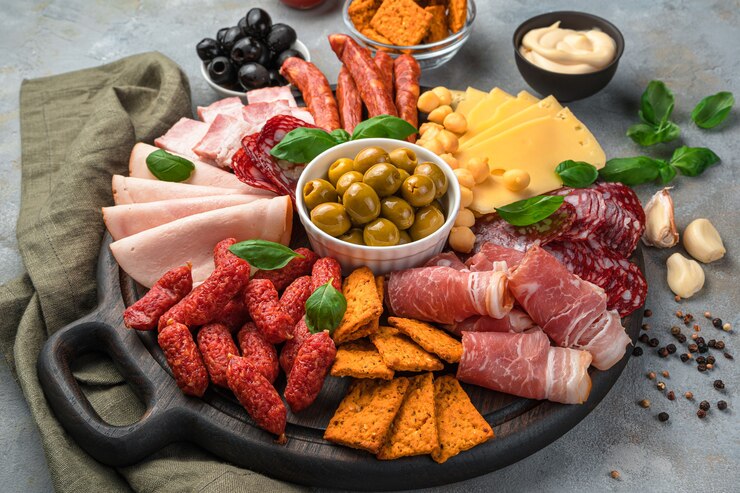
Charcuterie boards are no longer limited to cured meats and cheeses. Expanding beyond traditional options allows you to create visually stunning, flavorful, and inclusive boards that appeal to vegetarians, vegans, and adventurous eaters. By combining fresh produce, spreads, nuts, and artisanal breads, you can turn a charcuterie board into a balanced and exciting culinary experience.
Use Fresh and Roasted Vegetables
Vegetables add color, texture, and freshness to a charcuterie board. Include roasted bell peppers, zucchini, and cherry tomatoes for warmth and depth. Raw vegetables like carrots, cucumber, radishes, and snap peas provide crunch. Slice vegetables into sticks, rounds, or bite-sized pieces for easy picking.
Incorporate Fruit for Sweet Balance
Fresh and dried fruits offer natural sweetness and contrast with savory elements. Grapes, figs, berries, apple slices, and pears work well. Dried fruits such as apricots, dates, and cranberries add chewiness and concentrated flavor. Seasonal fruits can elevate the board visually and tastefully.
Add Plant-Based Proteins
To replace traditional cured meats, include plant-based proteins like marinated tofu cubes, tempeh slices, or roasted chickpeas. Hummus, bean dips, or lentil spreads provide protein and creamy texture. These options keep the board balanced and satisfying for all guests.
Include a Variety of Cheeses and Spreads
Cheese adds richness and pairs well with fruits, nuts, and bread. Include a mix of soft and hard cheeses such as brie, gouda, or aged cheddar. For plant-based boards, try nut-based cheeses or cashew spreads. Spreads like pesto, tapenade, or flavored nut butters add layers of flavor.
Play with Nuts, Seeds, and Crunchy Elements
Nuts and seeds add texture, flavor, and nutritional value. Almonds, walnuts, pistachios, and pumpkin seeds work well. Crispy crackers, breadsticks, or baked pita chips give crunch and make the board more interactive.
Tips for Building an Eye-Catching Board
Use contrasting colors and textures to create visual interest.
Arrange items in clusters or lines for easy access.
Use small bowls or ramekins for spreads and dips.
Garnish with fresh herbs like rosemary, thyme, or edible flowers for elegance.
Creative charcuterie boards go beyond meat, combining vegetables, fruits, plant-based proteins, cheeses, spreads, and crunchy elements. This approach not only broadens flavor and texture but also caters to diverse dietary preferences. By thoughtfully arranging ingredients, you can create a visually appealing and satisfying board that elevates any gathering or casual meal.