
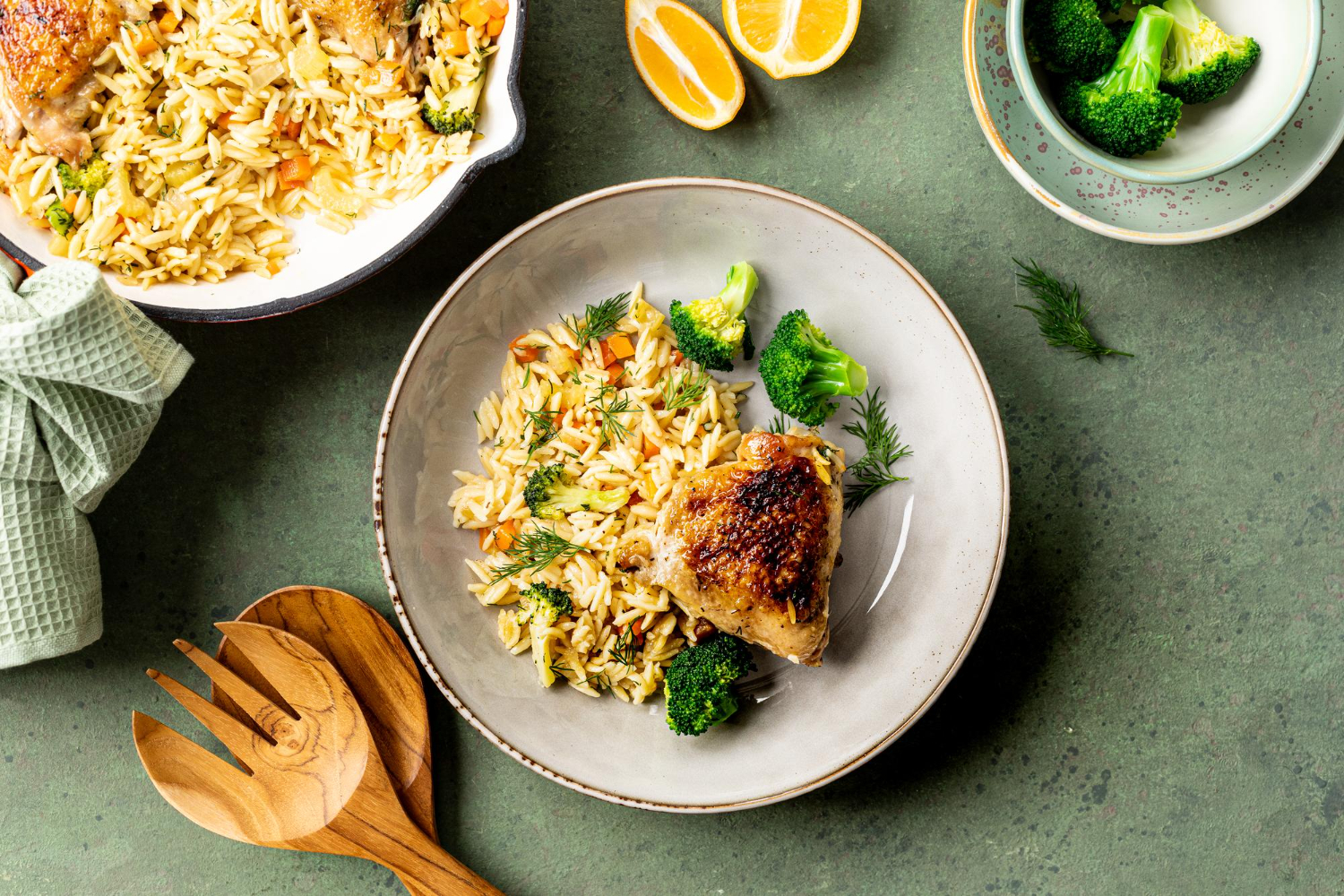
Eating balanced meals does not have to mean buying expensive health foods or spending hours preparing complicated recipes. With everyday supermarket ingredients such as eggs, chicken, beans, rice, vegetables and whole grains, you can create satisfying meals that support a varied and nutritious diet. The secret is combining protein, fibre-rich carbohydrates, healthy fats and vegetables in portions that suit your appetite. These simple ingredients are affordable, widely available and versatile enough to turn into a variety of breakfasts, lunches and dinners. Whether you are cooking for one, feeding a family or planning meals for a busy week, a little preparation can make everyday cooking much easier. By keeping a few pantry staples and frozen vegetables on hand, you can prepare wholesome dishes without relying on expensive convenience foods. Here are five balanced meals made from basic supermarket ingredients, complete with easy recipes to help you eat well while keeping cooking practical and affordable.
1. One-Pan Chicken, Rice and Vegetables
This colourful one-pan meal combines lean chicken, rice and vegetables for a filling dinner with minimal washing up. Garlic, paprika and lemon add plenty of flavour without requiring complicated sauces.
Ingredients
- 400 g boneless chicken breast, diced
- 200 g brown rice
- 1 red pepper, chopped
- 1 small broccoli head, cut into florets
- 1 onion, diced
- 2 garlic cloves, minced
- 600 ml chicken stock
- 15 ml olive oil
- 5 ml paprika
- Salt and black pepper
- Lemon juice, to taste
Method
- Heat the olive oil in a large deep frying pan and cook the onion for three minutes.
- Add the garlic, chicken and paprika, then cook until the chicken is lightly browned.
- Stir in the rice and chicken stock.
- Cover and simmer until the rice is nearly tender, following the packet cooking time and adding extra water if necessary.
- Add the pepper and broccoli, cover again and cook until the vegetables are tender and the chicken is thoroughly cooked.
- Season with salt, black pepper and lemon juice before serving.
Why it works: Chicken supplies protein, brown rice provides carbohydrates and fibre, while broccoli and peppers contribute vitamins, minerals and colour.
2. Bean, Sweetcorn and Tomato Wraps
Beans are an affordable source of plant protein and fibre, making them an excellent foundation for quick lunches. These wraps combine beans, vegetables and a creamy yoghurt dressing for a satisfying meal that is easy to customise.
Ingredients
- 1 can (400 g) black beans or kidney beans, drained and rinsed
- 4 wholewheat wraps
- 1 cup sweetcorn, fresh or frozen
- 2 tomatoes, diced
- 100 g plain yoghurt
- 1 lime, juiced
- 1 small avocado, sliced, optional
- 5 ml ground cumin
- Salt and black pepper
Method
- Place the beans and sweetcorn in a bowl.
- Add the cumin, a squeeze of lime juice, salt and black pepper.
- Mix the yoghurt with the remaining lime juice to make a simple dressing.
- Warm the wraps briefly in a dry frying pan.
- Divide the bean mixture and chopped tomatoes between the wraps.
- Add the yoghurt dressing and avocado, if using.
- Fold the wraps securely and serve immediately.
Why it works: Beans provide plant protein and fibre, wholewheat wraps supply carbohydrates and tomatoes contribute freshness. Yoghurt adds protein and creaminess, while avocado provides unsaturated fat if included.
3. Baked Eggs with Spinach and Tomatoes
Eggs are a convenient source of protein and work beautifully with vegetables for a simple breakfast, lunch or light dinner. This baked version is easy to prepare and can be served with wholegrain toast for extra fibre.
Ingredients
- 4 large eggs
- 200 g fresh spinach
- 250 g cherry tomatoes, halved
- 1 small onion, diced
- 15 ml olive oil
- 30 g grated cheddar cheese, optional
- Salt and black pepper
Method
- Preheat the oven to 180°C.
- Heat the olive oil in an ovenproof frying pan and cook the onion until softened.
- Add the tomatoes and cook for three minutes.
- Stir in the spinach and cook until wilted.
- Make four small spaces in the vegetables and crack an egg into each one.
- Season with salt and black pepper, then sprinkle over the cheese if using.
- Transfer to the oven and bake for 8 to 12 minutes, or until the eggs are cooked to your preference.
- Serve with wholegrain toast or a small portion of cooked potatoes.
Why it works: Eggs provide protein and important nutrients, while spinach and tomatoes add vegetables. Wholegrain toast makes the meal more substantial and contributes fibre.
4. Tuna, Potato and Green Bean Salad
This simple salad turns everyday tinned tuna and potatoes into a filling meal that can be served warm or cold. It is especially useful for packed lunches because most of the ingredients can be prepared ahead.
Ingredients
- 2 cans tuna in water or brine, drained
- 500 g potatoes, cut into bite-sized pieces
- 200 g green beans, trimmed
- 2 tablespoons olive oil
- 15 ml lemon juice
- 1 teaspoon Dijon mustard
- Salt and black pepper
Method
- Place the potatoes in a saucepan of water and bring to the boil.
- Cook for 12 to 15 minutes, or until tender when pierced with a fork.
- Add the green beans during the final three to four minutes of cooking.
- Drain the vegetables and allow them to cool slightly.
- Whisk together the olive oil, lemon juice, mustard, salt and black pepper.
- Gently combine the potatoes and green beans with the drained tuna.
- Pour over the dressing and toss carefully before serving.
Why it works: Tuna provides protein, potatoes supply carbohydrates and green beans contribute fibre and micronutrients. Olive oil adds unsaturated fat and the lemon dressing keeps the flavours fresh.
5. Lentil and Vegetable Curry with Rice
Lentils are inexpensive, versatile and rich in fibre and plant protein. This comforting curry uses basic pantry ingredients to create a hearty meal that works well for batch cooking and leftovers.
Ingredients
- 250 g dried red lentils, rinsed
- 1 onion, diced
- 2 carrots, chopped
- 1 can (400 g) chopped tomatoes
- 400 ml light coconut milk
- 500 ml vegetable stock or water
- 10 ml curry powder
- 15 ml olive oil
- 200 g brown rice, to serve
Method
- Cook the brown rice according to the packet instructions.
- Heat the olive oil in a saucepan and cook the onion and carrots for five minutes.
- Stir in the curry powder and cook for 30 seconds until fragrant.
- Add the rinsed lentils, chopped tomatoes, coconut milk and stock.
- Bring to a gentle simmer and cook for 20 to 25 minutes, stirring occasionally, until the lentils are soft. Add a little water if the curry becomes too thick.
- Taste and adjust the seasoning.
- Serve the curry over the cooked brown rice.
Why it works: Lentils provide plant protein and fibre, vegetables add nutrients and brown rice supplies energy and additional fibre. Coconut milk contributes richness, so use a moderate portion if you prefer a lighter meal.
How to Build a Balanced Meal with Basic Ingredients
You do not need to calculate every nutrient to make more balanced meals. A simple approach is to include a variety of food groups across the day and adjust portions according to your hunger, activity level and individual needs.
- Include protein: Choose eggs, chicken, fish, beans, lentils, yoghurt or tofu to help make meals satisfying.
- Add vegetables or fruit: Fresh, frozen and tinned produce can all contribute to your daily intake.
- Choose fibre-rich carbohydrates: Wholegrain bread, brown rice, oats, potatoes and wholewheat wraps are practical options.
- Include healthy fats: Use moderate amounts of olive oil, nuts, seeds or avocado.
- Keep flavour simple: Garlic, herbs, spices, lemon juice and vinegar can make affordable ingredients taste delicious without relying on heavy sauces.
A balanced meal does not have to be perfect every time. Aim for variety over the day and week rather than expecting every plate to contain exactly the same ingredients or proportions.
Balanced meals can be affordable, straightforward and delicious when you build them around basic supermarket ingredients. These five recipes show how chicken, eggs, beans, tuna, lentils, rice and everyday vegetables can become satisfying dishes without complicated cooking techniques. Each meal combines different food groups to provide a useful mix of protein, carbohydrates, fibre and other nutrients. Preparing a few ingredients ahead of time, using frozen vegetables and keeping tinned beans or fish in the cupboard can make healthy cooking easier on busy days. You can also adapt the recipes to suit your budget by choosing seasonal produce, swapping vegetables or using ingredients already available at home. Remember that balanced eating is about variety and consistency, not following strict rules or making every meal identical. With a small collection of reliable recipes and a well-planned shopping list, you can enjoy practical, nourishing meals throughout the week while keeping both food costs and kitchen stress under control.