
Fresh herbs can transform ordinary meals into flavourful dishes with very little effort. A handful of chopped parsley, fragrant basil or fresh coriander can add colour, aroma and freshness to familiar ingredients. You do not need complicated cooking techniques or expensive ingredients to make herbs work in your kitchen. They pair beautifully with vegetables, meat, fish, eggs, grains and homemade sauces. Fresh herbs also allow you to experiment with different flavours while reducing your reliance on excess salt and heavy sauces. Whether you grow your own herbs or buy them from the supermarket, keeping a few varieties on hand makes everyday cooking more exciting. These fresh herb recipes will show you how to use simple ingredients to create delicious meals, sides and sauces for the whole family.
Why Fresh Herbs Make Everyday Meals Taste Better
Fresh herbs contain natural oils that give them their distinctive aromas and flavours. Some have bright, citrusy notes, while others offer earthy, peppery or slightly sweet flavours. Adding them at the right stage of cooking helps you get the best results.
Soft herbs such as basil, parsley, coriander, mint and dill usually work best when added near the end of cooking. Heat can quickly reduce their delicate flavour and change their colour. Hardier herbs such as rosemary, thyme and oregano can handle longer cooking times. You can add these to soups, stews, roasted vegetables and sauces while they cook.
Fresh herbs also make it easier to create balanced dishes. Parsley and lemon brighten rich meals, coriander adds freshness to spicy food, while rosemary complements roasted potatoes and chicken. A simple herb dressing can also turn plain vegetables or grilled meat into a more interesting meal.
1. Homemade Fresh Herb and Garlic Butter
Fresh herb and garlic butter is one of the easiest ways to add flavour to everyday meals. It combines softened butter with garlic, parsley and other fresh herbs to create a versatile spread. You can melt it over grilled steak, roasted vegetables, chicken, fish or baked potatoes. It also tastes delicious spread over warm bread or stirred through freshly cooked pasta.
Ingredients
Makes approximately 200 g.
- 200 g unsalted butter, softened
- 3 garlic cloves, finely minced
- 2 tablespoons fresh parsley, finely chopped
- 1 tablespoon fresh chives, finely chopped
- 1 teaspoon fresh thyme leaves
- 1 tablespoon lemon juice
- ½ teaspoon lemon zest
- ¼ teaspoon black pepper
- Salt to taste
Method
- Remove the butter from the fridge and allow it to soften at room temperature.
- Place the softened butter in a mixing bowl.
- Add the minced garlic, parsley, chives and thyme.
- Stir in the lemon juice, lemon zest and black pepper.
- Mix until all the ingredients are evenly distributed.
- Taste and add salt if needed.
- Transfer the herb butter onto a sheet of baking paper.
- Shape it into a log and roll the paper around it.
- Twist the ends closed and refrigerate until firm.
- Slice into rounds whenever you need a quick flavour boost.
Ways to Use Herb Butter
Add a slice of herb butter to hot grilled chicken or steak just before serving. It will melt into the meat and create a simple, flavourful sauce. You can also toss it through steamed green beans, carrots or roasted potatoes.
For a richer pasta dish, melt two tablespoons of herb butter in a pan and add cooked pasta with a little pasta water. Toss until the sauce coats the pasta. Finish with grated Parmesan and extra parsley.
2. Fresh Basil Pesto
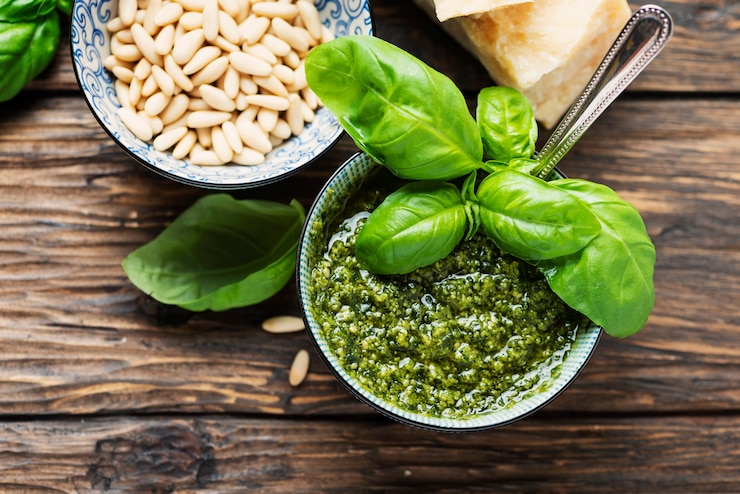
Fresh basil pesto is a classic sauce that brings bold flavour to pasta, sandwiches, salads and roasted vegetables. Its combination of basil, garlic, nuts, Parmesan and olive oil creates a smooth, fragrant mixture with a rich savoury taste. Homemade pesto takes only a few minutes to prepare and often tastes fresher than shop-bought alternatives. You can also adjust the ingredients to suit your preferences or what you have available.
Ingredients
Makes approximately 250 ml.
- 50 g fresh basil leaves
- 40 g grated Parmesan cheese
- 40 g pine nuts or cashew nuts
- 2 garlic cloves
- 100 ml olive oil
- 1 tablespoon lemon juice
- Black pepper to taste
- Salt to taste
Method
- Wash the basil leaves and dry them thoroughly.
- Place the basil, Parmesan, nuts and garlic in a food processor.
- Pulse several times until the ingredients are roughly chopped.
- Slowly pour in the olive oil while blending.
- Add the lemon juice and blend until the mixture reaches your preferred consistency.
- Season with black pepper and a little salt.
- Taste and adjust the lemon juice or seasoning if necessary.
- Transfer the pesto to a clean jar and cover the surface with a thin layer of olive oil.
Ways to Use Fresh Basil Pesto
Stir pesto through freshly cooked pasta for a quick meal. Add a little reserved pasta water to loosen the sauce and help it coat every piece. You can also spread pesto over toasted bread before adding sliced tomato and mozzarella.
For an easy roasted vegetable dish, toss courgettes, peppers and baby marrows with a little olive oil before roasting. Once cooked, add a spoonful of pesto and mix gently. The heat will release the basil aroma without cooking away its fresh flavour.
Easy Pesto Variations
You do not have to use pine nuts to make good pesto. Cashews, almonds and walnuts all work well. You can also replace some of the basil with fresh parsley or spinach for a slightly different flavour.
For a dairy-free version, leave out the Parmesan and add a tablespoon of nutritional yeast if available.
3. Lemon, Parsley and Garlic Roasted Potatoes
Roasted potatoes are a familiar favourite, but fresh herbs can make them taste even better. Parsley, garlic and lemon add freshness to the crispy edges and fluffy centres. This recipe works well as a side dish for roast chicken, grilled fish or steak. It is also simple enough to prepare for a weekday family meal.
Ingredients
Serves 4.
- 800 g potatoes
- 3 tablespoons olive oil
- 3 garlic cloves, minced
- 3 tablespoons fresh parsley, chopped
- 1 tablespoon fresh rosemary, finely chopped
- 1 teaspoon lemon zest
- 1 tablespoon lemon juice
- ½ teaspoon paprika
- Salt and black pepper to taste
Method
- Preheat the oven to 200°C.
- Wash and scrub the potatoes. Peel them if preferred.
- Cut the potatoes into evenly sized chunks.
- Place them in a large saucepan and cover with cold water.
- Bring to the boil and cook for approximately 8 minutes until slightly tender around the edges.
- Drain the potatoes and allow them to steam dry for a few minutes.
- Gently shake them in the saucepan to roughen their surfaces.
- Transfer the potatoes to a large baking tray.
- Add the olive oil, paprika, salt and black pepper.
- Toss until the potatoes are evenly coated.
- Roast for 35 to 45 minutes, turning halfway through cooking.
- Mix the garlic, parsley, rosemary, lemon zest and lemon juice in a small bowl.
- Toss the cooked potatoes with the fresh herb mixture.
- Serve immediately while hot and crispy.
Tips for Crispy Herb Potatoes
Drying the potatoes before roasting helps remove excess moisture. Roughening their surfaces also creates more edges that become crisp in the oven. Spread them out on the baking tray instead of piling them together.
Add the garlic and fresh parsley towards the end rather than roasting them for the full cooking time. This prevents the garlic from burning and keeps the parsley tasting fresh.
4. Creamy Coriander and Yoghurt Dressing
A fresh coriander dressing can make simple salads, grilled vegetables and wraps much more interesting. This recipe combines coriander with plain yoghurt, lemon juice and garlic for a creamy dressing with a fresh, slightly tangy flavour. It is a useful alternative to heavier mayonnaise-based sauces. You can also serve it as a dip with roasted potatoes or fresh vegetable sticks.
Ingredients
Makes approximately 250 ml.
- 150 g plain Greek yoghurt
- 30 g fresh coriander leaves
- 1 small garlic clove
- 2 tablespoons lemon juice
- 1 tablespoon olive oil
- ½ teaspoon ground cumin
- 1 tablespoon water, if needed
- Salt and black pepper to taste
Method
- Wash the coriander thoroughly and remove any tough stems.
- Place the coriander, garlic, lemon juice and olive oil in a blender.
- Blend until the herbs are finely chopped.
- Add the Greek yoghurt and ground cumin.
- Blend again until smooth and creamy.
- Add a little water if the dressing is too thick.
- Season with salt and black pepper.
- Taste and adjust the lemon juice or seasoning.
- Transfer to a serving bowl or clean jar.
- Refrigerate until ready to use.
Ways to Serve Coriander Dressing
Drizzle the dressing over grilled chicken, fish or roasted vegetables. It also works well in wraps filled with chicken, lettuce, cucumber and tomato. For a quick lunch, spoon it over a bowl of rice, roasted vegetables and chickpeas.
If you enjoy spicy food, blend in half a fresh green chilli. You can also add a little mint for a cooler flavour that works particularly well with grilled lamb.
5. Rosemary and Thyme Garlic Roast Chicken
Rosemary and thyme are excellent herbs for roasting because their flavours develop during cooking. They complement chicken without overpowering its natural taste. Garlic, lemon and olive oil help create a fragrant coating that keeps the meat flavourful. This recipe makes a satisfying family meal and pairs well with roasted potatoes or seasonal vegetables.
Ingredients
Serves 4.
- 1.2 kg whole chicken
- 3 tablespoons olive oil
- 4 garlic cloves, crushed
- 2 tablespoons fresh rosemary, chopped
- 1 tablespoon fresh thyme leaves
- 1 lemon, halved
- 1 teaspoon paprika
- 1 teaspoon salt
- ½ teaspoon black pepper
- 1 onion, cut into wedges
- 150 ml chicken stock or water
Method
- Preheat the oven to 190°C.
- Remove the chicken from its packaging and pat it dry with paper towel.
- Mix the olive oil, garlic, rosemary, thyme, paprika, salt and black pepper in a small bowl.
- Rub the mixture over the chicken, including the legs and wings.
- Place the lemon halves and onion wedges inside the cavity.
- Put the chicken in a roasting dish and pour the stock or water around it.
- Roast for approximately 1 hour and 15 minutes to 1 hour and 30 minutes, depending on its size.
- Baste the chicken occasionally with the pan juices.
- Check that the thickest part of the thigh reaches 74°C without touching the bone.
- Remove the chicken from the oven and rest it for 10 to 15 minutes before carving.
- Spoon the pan juices over the chicken before serving.
Tips for Flavourful Roast Chicken
Drying the chicken before adding the herb mixture helps the skin brown more evenly. Rub the seasoning thoroughly over the surface to distribute the flavour. If the skin starts browning too quickly, cover the chicken loosely with foil.
You can add carrots, potatoes and onions to the roasting dish for a complete meal. Toss the vegetables in a little olive oil and seasoning before placing them around the chicken. They will absorb some of the delicious cooking juices as they roast.
6. Fresh Mint and Cucumber Salad
Mint adds a refreshing flavour to salads, especially when paired with cucumber, lemon and fresh vegetables. This simple salad is crisp, light and easy to prepare. It works particularly well alongside grilled meat, fish, curries and roasted vegetables. You can also serve it as a quick lunch with chickpeas or crumbled feta.
Ingredients
Serves 4.
- 1 large cucumber
- 200 g cherry tomatoes, halved
- ½ red onion, thinly sliced
- 100 g feta cheese, crumbled
- 2 tablespoons fresh mint, chopped
- 2 tablespoons fresh parsley, chopped
- 2 tablespoons olive oil
- 1 tablespoon lemon juice
- ½ teaspoon dried oregano
- Black pepper to taste
Method
- Wash the cucumber and tomatoes thoroughly.
- Cut the cucumber into small cubes or thin slices.
- Place the cucumber and tomatoes in a large salad bowl.
- Add the sliced red onion.
- Sprinkle over the crumbled feta.
- Add the chopped mint and parsley.
- Mix the olive oil, lemon juice, oregano and black pepper in a small bowl.
- Pour the dressing over the salad.
- Toss gently until everything is coated.
- Serve immediately or refrigerate briefly before serving.
Tips and Variations
Add chickpeas or cooked quinoa to make the salad more filling. You can also replace the feta with mozzarella or omit the cheese for a dairy-free option.
For extra crunch, add toasted sunflower seeds or chopped walnuts. If you prefer a sharper dressing, add another teaspoon of lemon juice.
7. Fresh Herb and Lemon Fish
Fresh herbs and lemon are a natural match for fish. Parsley, dill and coriander add freshness, while garlic and olive oil create a simple coating that complements the delicate flavour of the fish. This recipe is suitable for hake, kingklip or another firm white fish. It is quick enough for a weekday dinner and pairs well with rice, potatoes or steamed vegetables.
Ingredients
Serves 4.
- 4 white fish fillets, approximately 150 g each
- 2 tablespoons olive oil
- 2 garlic cloves, minced
- 2 tablespoons fresh parsley, chopped
- 1 tablespoon fresh dill, chopped
- 1 tablespoon fresh coriander, chopped
- 1 lemon, zest and juice
- ½ teaspoon paprika
- Salt and black pepper to taste
Method
- Preheat the oven to 190°C.
- Pat the fish fillets dry with paper towel.
- Arrange them in a lightly greased baking dish.
- Mix the olive oil, garlic, parsley, dill, coriander, lemon zest and lemon juice in a small bowl.
- Add the paprika, salt and black pepper.
- Spoon the herb mixture evenly over the fish.
- Bake for 12 to 18 minutes, depending on the thickness of the fillets.
- Check that the fish is opaque and flakes easily with a fork. For a temperature check, the thickest part should reach 63°C.
- Remove from the oven and spoon the remaining herb juices over the fillets.
- Serve with lemon wedges and your favourite side dishes.
Tips for Cooking Fish with Fresh Herbs
Avoid overcooking fish because it can quickly become dry. Start checking thinner fillets after 10 to 12 minutes. Thicker pieces may need a little longer.
Add extra chopped parsley or dill just before serving for a stronger fresh herb flavour. You can also use this mixture to season prawns before grilling or pan-frying them.
How to Store Fresh Herbs and Keep Them Fresh Longer
Fresh herbs can lose their flavour and texture quickly if you store them incorrectly. The best storage method depends on the type of herb.
Soft herbs such as parsley, coriander and mint generally keep well when stored like a small bunch of flowers. Trim the stems, place them in a glass with a little water and loosely cover the leaves with a plastic bag. Refrigerate them and change the water when it becomes cloudy.
Basil is more sensitive to cold temperatures. Store it at room temperature with the stems in water, away from direct sunlight. Refrigerating basil can cause the leaves to darken and lose their quality.
Hardy herbs such as rosemary and thyme can be wrapped in a slightly damp paper towel and placed inside an airtight container in the fridge. Keep the container in the vegetable drawer and check the herbs regularly for excess moisture.
You can also freeze herbs if you have more than you can use. Chop parsley, coriander or rosemary and place them in an ice cube tray with a little water or olive oil. Once frozen, transfer the cubes to a labelled freezer container. Add them directly to soups, stews and sauces when cooking.
How to Choose the Right Fresh Herbs for Different Meals
Choosing herbs that complement your ingredients helps create balanced flavours without much effort. You do not need to use several varieties in every dish. Often, one or two fresh herbs are enough.
| Fresh herb | Best food pairings | Flavour |
|---|---|---|
| Basil | Tomatoes, pasta, mozzarella and pesto | Sweet and peppery |
| Parsley | Fish, potatoes, chicken and salads | Fresh and mild |
| Coriander | Curries, beans, chicken and dressings | Bright and citrusy |
| Rosemary | Roast chicken, lamb and potatoes | Woody and aromatic |
| Thyme | Soups, stews, mushrooms and roasted vegetables | Earthy and subtle |
| Mint | Cucumber, peas, yoghurt and fruit | Cool and refreshing |
| Dill | Fish, potatoes, eggs and yoghurt sauces | Delicate and slightly tangy |
| Chives | Eggs, potatoes, cheese and salads | Mild onion flavour |
When experimenting, start with a small amount and taste as you go. Some herbs, particularly rosemary and mint, have strong flavours that can quickly dominate a dish. Add more gradually until you reach the balance you enjoy.
Fresh herbs are an easy and affordable way to bring more flavour, colour and variety to everyday meals. Recipes such as homemade herb butter, basil pesto and coriander yoghurt dressing show how a few simple ingredients can create versatile additions for your kitchen. Rosemary and thyme add depth to roast chicken, while parsley and garlic make ordinary potatoes more exciting. Mint and cucumber create a refreshing salad, and fresh herbs with lemon turn simple fish fillets into a satisfying meal. Storing herbs correctly also helps reduce food waste and ensures that you always have flavourful ingredients ready to use. Experiment with different combinations to discover which herbs work best with your favourite foods. With these fresh herb recipes, you can make everyday cooking more enjoyable without spending hours in the kitchen.