
Colder months often change the way you eat, move, and plan your meals. Shorter days and lower temperatures can lead to cravings for heavier, less balanced foods. It becomes easy to rely on comfort meals that lack essential nutrients. At the same time, your body still needs consistent nourishment to maintain energy and immunity. Healthy eating during winter does not mean avoiding comfort food. It means choosing meals that are both satisfying and balanced. This guide explains practical eating habits that help you stay healthy, energized, and consistent during colder months.
Focus on Warm and Nourishing Meals
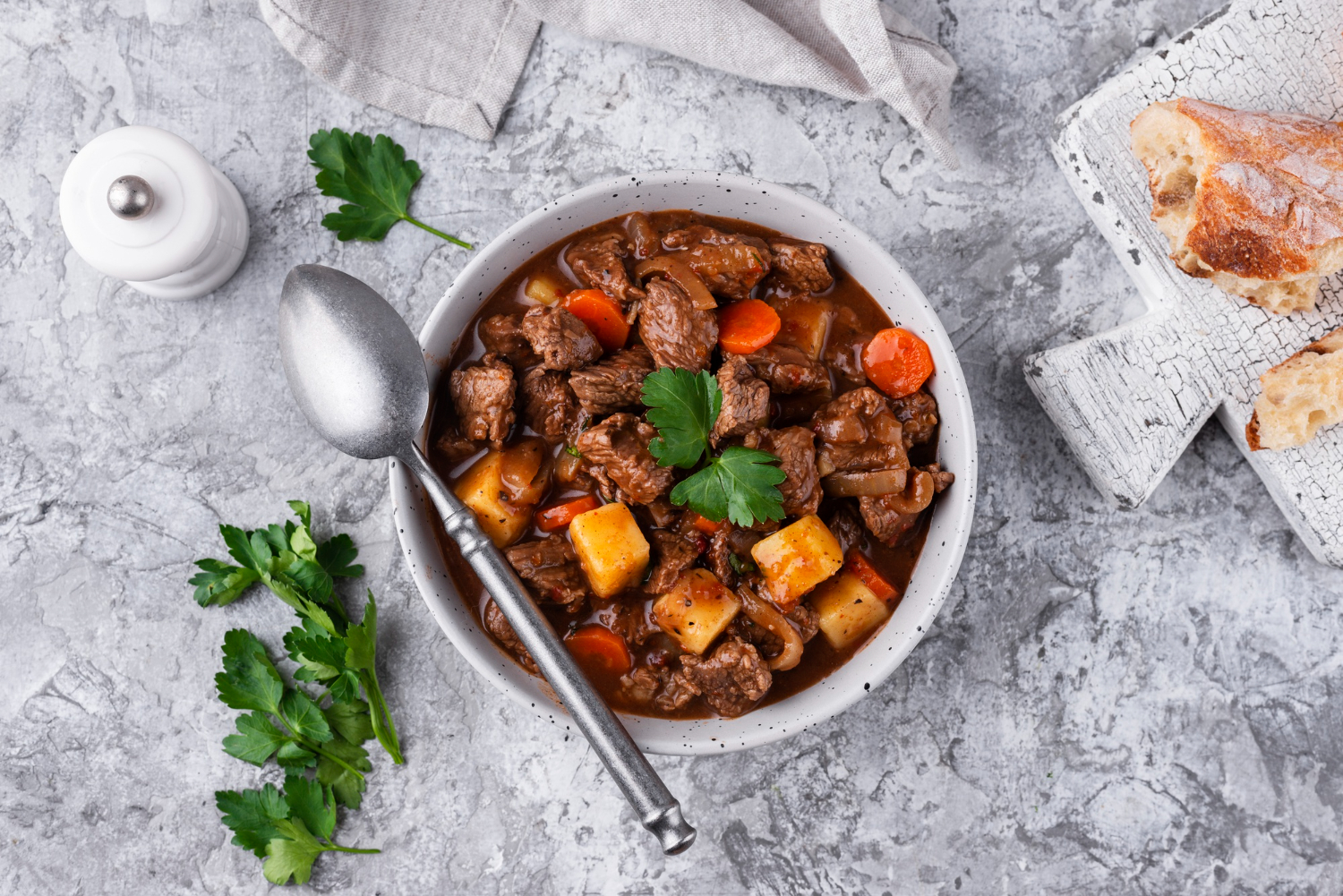
Warm meals help regulate body temperature and improve comfort. Soups, stews, and cooked grains are ideal during colder weather. They are easier to digest and often more filling. Include ingredients like vegetables, legumes, and lean proteins. These meals provide both warmth and nutrition. Cooking at home allows you to control ingredients and portion sizes. This approach supports better eating habits throughout the season.
Prioritize Seasonal and Affordable Produce
Seasonal foods are often fresher and more nutrient dense. In colder months, root vegetables like carrots and potatoes become more available. Cabbage, spinach, and other hardy greens are also reliable options. These foods store well and are easy to prepare. Using seasonal produce helps reduce costs. It also improves meal variety. This keeps your diet balanced and practical.
Maintain Protein Intake
Protein supports muscle health and helps keep you full. Include sources like eggs, chicken, beans, lentils, and yogurt. Protein rich meals reduce the urge to snack on less healthy options. They also help maintain steady energy levels. Spread protein intake across your meals. This improves digestion and absorption. Consistent intake supports overall health.
Add Healthy Fats for Energy
Healthy fats provide long lasting energy and support body function. Include foods like nuts, seeds, olive oil, and avocados. These fats also improve meal satisfaction. They help balance carbohydrates and protein. Small amounts go a long way. Adding them to meals is simple and effective. This supports better eating habits during colder days.
Stay Hydrated with Warm Drinks
Hydration is often overlooked in winter. People tend to drink less water when it is cold. Warm drinks like herbal tea or hot water with lemon can help. They support hydration and digestion. Avoid drinks with too much sugar. Consistent hydration helps maintain energy levels. It also supports overall health.
Plan Meals to Avoid Unhealthy Choices
Meal planning reduces reliance on processed or fast food. It helps you stay consistent with healthy eating. Prepare ingredients in advance when possible. Keep simple recipes on hand. This saves time during busy days. It also reduces stress around cooking. Planning supports better food choices.
Control Portions and Snacking
Colder weather can increase appetite and cravings. Pay attention to portion sizes during meals. Choose snacks that include protein or fiber. Avoid constant snacking on high sugar foods. Eating balanced meals helps reduce unnecessary cravings. Being mindful of intake improves overall balance. This supports long term habits.
Keep Variety in Your Diet
Eating the same meals can become repetitive. Variety ensures you get a wide range of nutrients. Rotate ingredients and recipes throughout the week. Try new cooking methods or combinations. This keeps meals interesting and enjoyable. It also supports a more balanced diet. Variety is key to consistency.
Common Mistakes to Avoid
Do not skip meals during cold days. Avoid relying only on heavy comfort foods. Do not ignore hydration needs. Avoid excessive sugar and processed snacks. Do not neglect protein intake. Avoid poor meal planning. Do not overlook portion control.
Healthy eating habits during colder months focus on balance, consistency, and practical choices. Warm and nourishing meals help maintain comfort and energy. Including seasonal produce keeps meals fresh and affordable. Protein and healthy fats support fullness and overall health. Hydration remains essential even when temperatures drop. Planning meals and controlling portions improve long term habits. By following these strategies, you can maintain a healthy and balanced diet that supports your body throughout the colder season.