
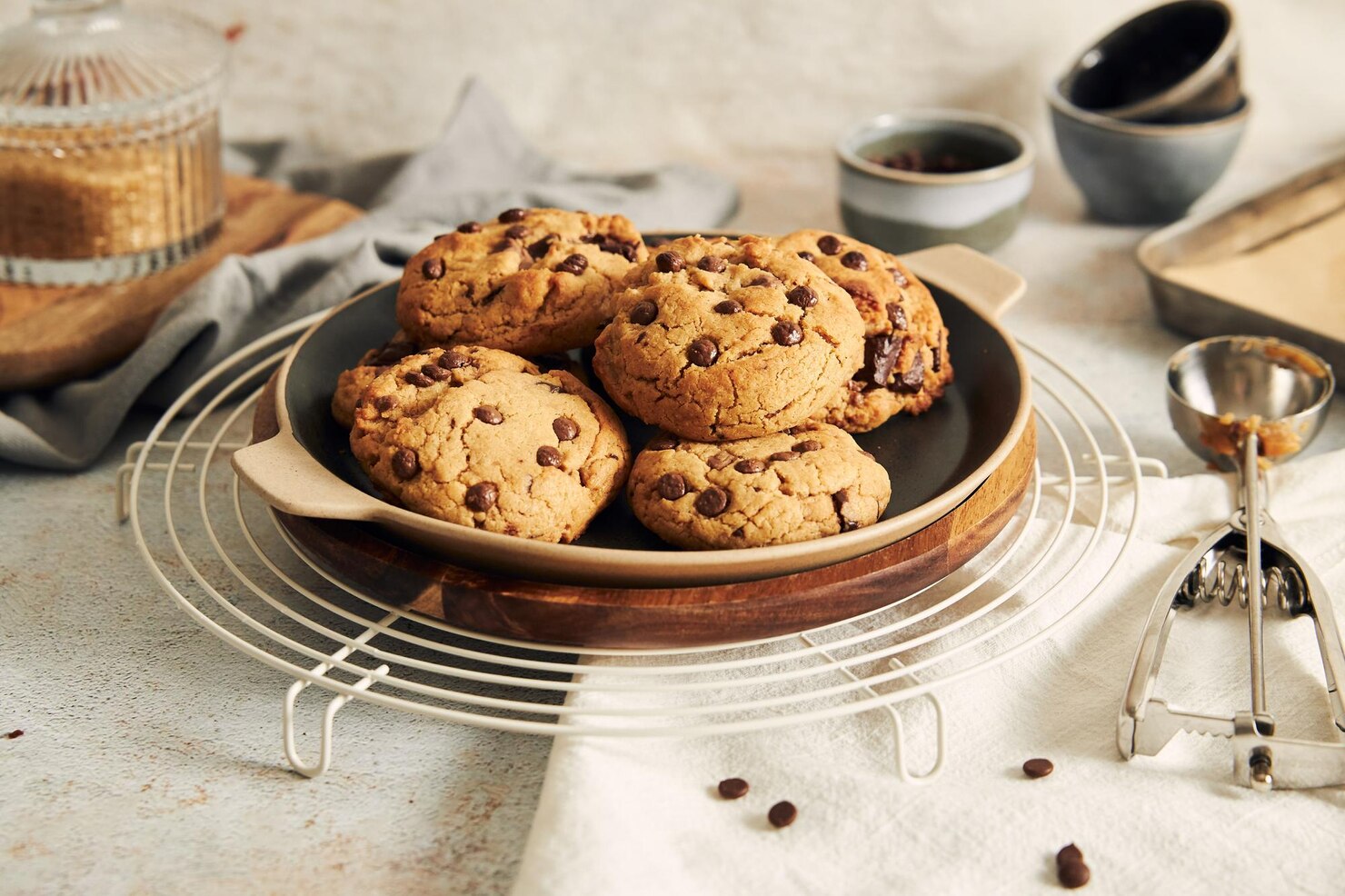
Baking cookies is one of the most rewarding experiences in the kitchen, but achieving the perfect texture can be challenging. Many home bakers end up with cookies that are either too dry, too crisp, or overly flat. The key to mastering chewy, gooey cookies lies in understanding how ingredients, mixing techniques, baking times, and cooling methods work together. Chewy cookies are soft, tender, and slightly dense, while gooey cookies feature a soft, molten center that melts in your mouth. By paying attention to ingredient ratios, temperature control, and handling methods, you can consistently bake cookies that satisfy every craving. This guide will take you step by step through the process of creating cookies with the ideal chew and gooeyness every single time.
Choose the Right Ingredients
The foundation of a chewy, gooey cookie is high-quality ingredients. All-purpose flour is standard, but combining it with bread flour can increase chewiness due to its higher protein content. Brown sugar is essential because the molasses retains moisture, producing soft cookies. Butter should be at room temperature for even mixing, and slightly under-creaming it preserves more moisture. Eggs provide structure and richness, and adding an extra yolk can enhance chewiness. Chocolate chips, caramel pieces, or nuts contribute flavor and texture while maintaining the gooey core.
Mixing Techniques Matter
Over-mixing dough develops gluten, which can make cookies tough. Mix wet and dry ingredients only until combined. Gently fold in mix-ins to prevent breaking up the dough’s structure. Chilling dough for at least 30 minutes is crucial. Cold dough spreads less during baking, intensifies flavor, and helps achieve the perfect chewy texture.
Perfect the Baking Time and Temperature
The right oven temperature is critical. Bake at 175–180°C for standard-sized cookies. Remove cookies slightly underbaked; they continue cooking on the tray as they cool. Baking too long produces dry, crisp cookies, while slightly underbaked cookies retain a soft, gooey center. Use parchment paper or silicone baking mats to prevent excessive browning and sticking.
Add Moisture and Texture Enhancers
A small amount of cornstarch in the dough softens cookies and adds tenderness. Honey or corn syrup contributes extra chewiness by retaining moisture. Incorporate mix-ins such as chocolate chunks, caramel, or nuts to create pockets of gooey flavor and enhance texture.
Cooling and Storage
Allow cookies to cool on the baking sheet for 5–10 minutes before transferring to a wire rack. This helps them set while maintaining moisture. Store in an airtight container at room temperature. Adding a slice of bread can keep cookies soft longer by preserving moisture.
Flavor Variations
Experiment with vanilla extract, sea salt, cinnamon, or espresso powder to enhance flavor. Use mix-ins like white chocolate, dried fruit, or peanut butter chips to create unique combinations. Minor tweaks in ingredients and spices can transform a simple cookie into a signature treat.
Consistency Tips
Use a cookie scoop for uniform size and even baking. Measure ingredients by weight for accuracy. Rotate baking sheets halfway through the baking time for consistent heat distribution.
Baking chewy, gooey cookies is a combination of science and technique. By choosing the right ingredients, mixing carefully, monitoring baking time, and handling cookies properly, you can achieve the perfect texture every time. These cookies are soft, tender, and melt-in-your-mouth delicious. With practice and attention to detail, you can consistently create cookies that delight friends, family, and yourself, turning every batch into a satisfying and indulgent treat.