Fresh herbs elevate any dish, adding aroma, flavor, and color. However, they can wilt or spoil quickly, leaving you frustrated and wasting ingredients. Proper storage techniques, whether for leafy herbs like parsley and basil or woody herbs like rosemary and thyme, can extend their shelf life significantly. With the right approach, you can enjoy fresh herbs in your meals for days or even weeks.
Here’s a comprehensive guide to keeping herbs fresh longer.
1. Identify Herb Types
Herbs are generally classified as either leafy or woody. Leafy herbs like parsley, cilantro, chives, and basil have tender leaves that wilt quickly. Woody herbs like rosemary, thyme, and sage have firm stems and tougher leaves, which makes them last longer with proper care.
Tips:
- Store leafy herbs differently from woody herbs for best results.
- Wash herbs only when you are ready to use them if possible.
2. Water Jar Method for Leafy Herbs
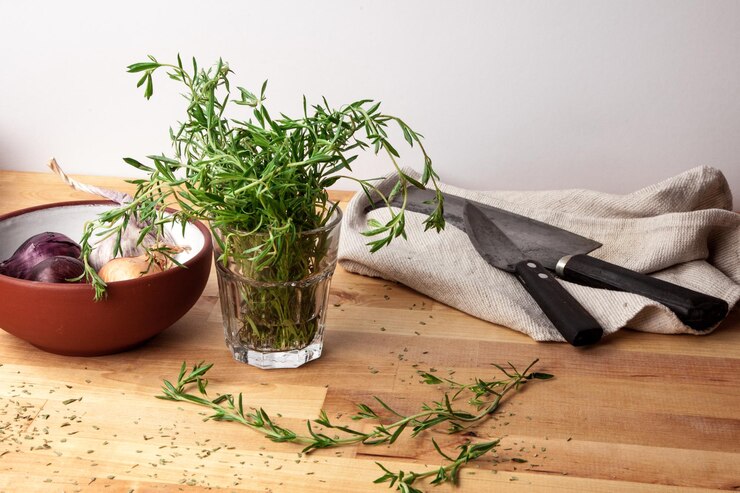
Treat leafy herbs like fresh flowers to extend their freshness.
Instructions:
- Trim the stems of the herbs.
- Fill a jar or glass with about an inch of water.
- Place the herbs in the jar, stems down.
- Cover loosely with a plastic bag.
- Store in the refrigerator.
Examples:
- Parsley and cilantro can last up to two weeks this way.
- Change the water every 2–3 days to prevent bacterial growth.
3. Paper Towel Method
Wrapping herbs in a damp paper towel slows moisture loss and prevents wilting.
Instructions:
- Lay the herbs on a slightly damp paper towel.
- Roll the towel loosely around the herbs.
- Place the wrapped herbs in a plastic bag or airtight container.
- Store in the refrigerator.
Tips:
- Ideal for delicate herbs like basil, chives, and mint.
- Check periodically for excess moisture to avoid mold.
4. Freezing Herbs
Freezing herbs is ideal if you have more than you can use immediately.
Instructions:
- Wash and dry the herbs.
- Chop if desired.
- Place in an ice cube tray and cover with water or olive oil.
- Freeze and transfer cubes to a labeled freezer bag.
Examples:
- Basil, parsley, and cilantro freeze well in olive oil cubes for cooking.
- Rosemary and thyme can be frozen as whole sprigs.
5. Drying Herbs
Drying concentrates flavor and makes herbs shelf-stable for months.
Methods:
- Hang bundles upside down in a warm, dry, and dark place.
- Use a dehydrator on low heat for faster results.
- Oven-dry on low heat, checking frequently to prevent burning.
Tips:
- Store dried herbs in airtight containers, away from sunlight.
- Crush just before use for maximum flavor.
6. Avoid Common Mistakes
- Don’t wash herbs until you are ready to use them if storing in the fridge.
- Avoid storing fresh herbs near fruits that emit ethylene, like apples or bananas, which can cause spoilage.
- Don’t overcrowd herbs in containers; airflow prevents premature decay.
7. Special Care for Basil
Basil is sensitive to cold. Instead of refrigerating, treat it like fresh flowers:
- Place stems in a jar with water on the counter.
- Change water every day or two.
- Pinch leaves as needed to keep it from flowering.
Keeping herbs fresh longer is simple with the right methods. Water jars, paper towel wraps, freezing, and drying can extend the life of your herbs while preserving flavor and aroma. By understanding the type of herb you have and choosing the correct storage technique, you can minimize waste and enhance your meals with fresh, vibrant herbs for days or even weeks. Proper care ensures you always have flavorful herbs ready to elevate any dish.