Store-bought salad dressings are convenient, but they often come with extra sugar, sodium, and preservatives. Making your own at home gives you control over the ingredients and the flavor. You save money, eat healthier, and create fresh combinations tailored to your taste. With just a few pantry staples, you can whip up a dressing in minutes.
Why Make Your Own Salad Dressing
Homemade dressings are healthier and more versatile. A basic vinaigrette, for example, can be used on salads, roasted vegetables, grilled meats, or even as a marinade. By adjusting the ratios of oil, acid, and seasoning, you can achieve endless variations. You also avoid additives that are common in bottled options.
The Basic Formula
Most dressings follow a simple pattern:
- 3 parts oil (olive oil, avocado oil, or grapeseed oil)
- 1 part acid (vinegar or citrus juice)
- Seasonings (salt, pepper, herbs, mustard, garlic, or honey)
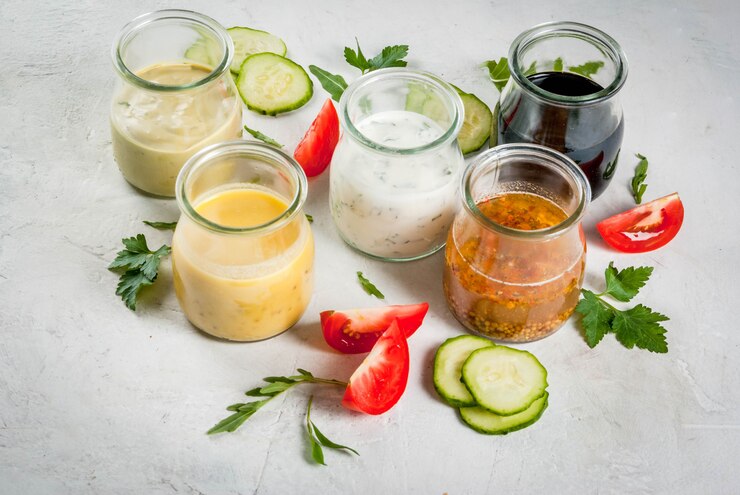
Shake the ingredients together in a jar, or whisk them in a bowl until blended. This ratio is flexible, so you can adjust it to make the dressing lighter, tangier, or sweeter depending on your preference.
Classic Homemade Dressings to Try
1. Simple Vinaigrette
Combine olive oil, red wine vinegar, Dijon mustard, salt, and pepper. This works well on leafy greens, grain salads, or roasted vegetables.
2. Creamy Caesar
Mix Greek yogurt, lemon juice, garlic, anchovy paste, and Parmesan cheese. Use it on romaine lettuce with croutons for a classic Caesar salad.
3. Honey Mustard
Blend Dijon mustard, honey, apple cider vinegar, and olive oil. It is excellent as both a salad dressing and a dip for chicken or vegetables.
4. Asian-Inspired Sesame Dressing
Whisk together soy sauce, rice vinegar, sesame oil, grated ginger, and a touch of honey. Perfect for cabbage slaws or noodle salads.
5. Green Goddess
Combine avocado, fresh herbs, lemon juice, olive oil, and garlic in a blender. This creamy dressing doubles as a dip for vegetables.
Tips for Success
- Always taste as you go. Balance the acidity and sweetness until it suits your palate.
- Store dressings in airtight jars in the refrigerator. Most will last up to a week.
- Shake or whisk before serving, since oils and acids naturally separate over time.
- Experiment with fresh herbs, spices, and flavored oils to keep your dressings unique.
Health Benefits
Making your own salad dressing allows you to choose heart-healthy oils, fresh herbs, and natural sweeteners instead of processed ingredients. You can reduce sodium and sugar while boosting flavor with spices, citrus, and garlic. Over time, this small change makes your meals healthier without sacrificing taste.
Homemade salad dressings are simple, healthy, and customizable. With a few basic ingredients, you can create dressings that taste fresher than anything from the store. Whether you stick to a classic vinaigrette or experiment with bold flavors, making your own dressing elevates every meal. Start with the basics, refine your favorites, and enjoy the satisfaction of knowing exactly what is in your food.