
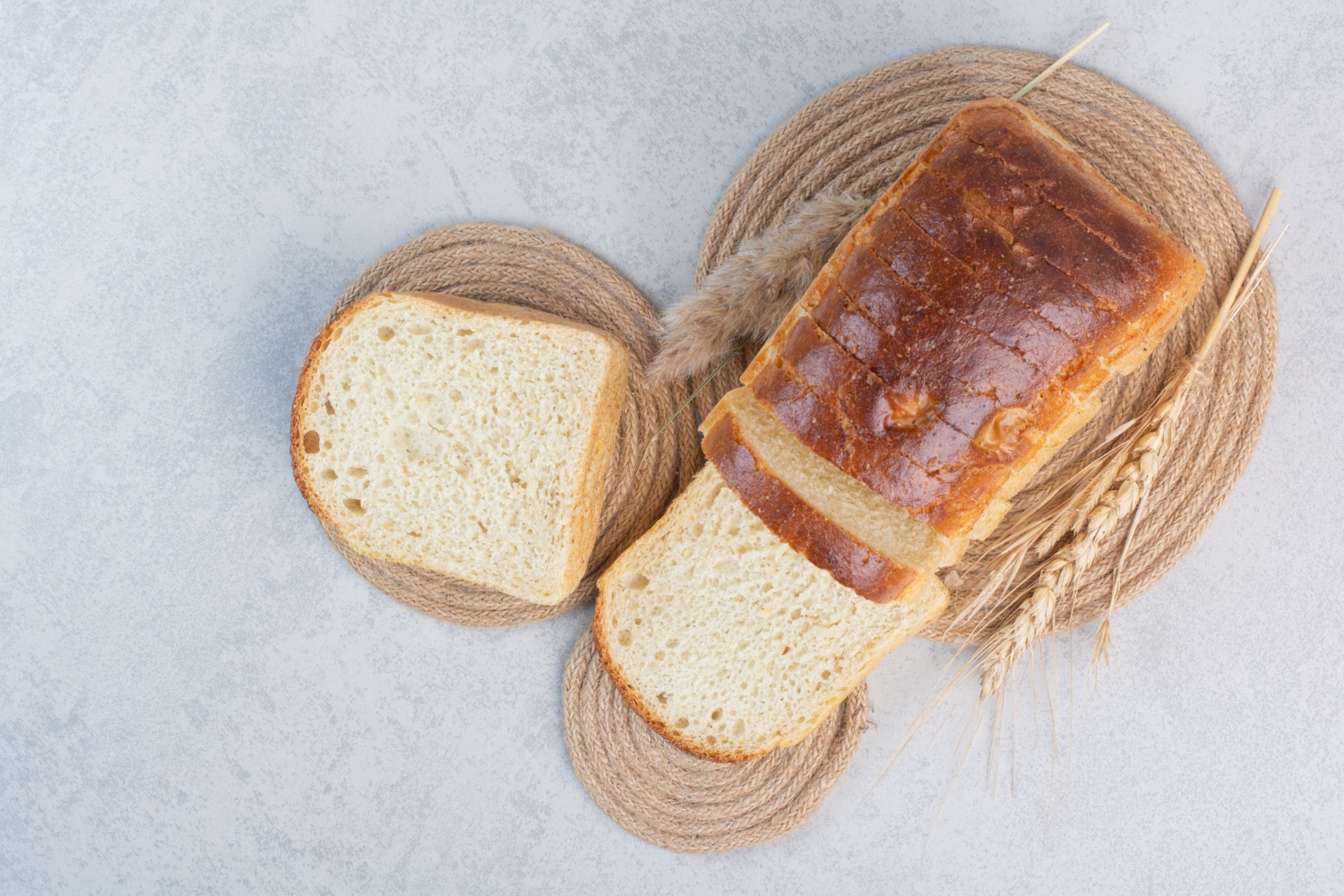
Fresh bread is one of life’s simple pleasures, especially when it has a crisp crust, a soft center and a delicious homemade aroma. However, bread can lose its freshness quickly if you store it incorrectly, leaving you with dry slices, a chewy crust or unwanted mold. The good news is that learning how to store fresh bread properly can help you preserve its flavor and texture for longer. Whether you buy bread from a local bakery, bake your own loaves or stock up on your favorite supermarket varieties, the right storage method makes a noticeable difference. Some breads stay fresh at room temperature, while others benefit from freezing to prevent waste and maintain quality. Understanding how moisture, temperature and airflow affect bread will help you choose the best storage option for every loaf. With a few practical techniques, you can enjoy bread that tastes fresher for longer and make the most of every slice.
Why Proper Bread Storage Matters
Bread begins to change as soon as it cools after baking. Moisture gradually moves through the loaf, starch molecules reorganize and the texture becomes firmer over time. This process, known as staling, can make bread feel dry even when it has not lost much moisture.
Storage conditions also affect how quickly bread develops mold. Warm, humid environments can encourage mold growth, while excessive exposure to air can dry out the crumb and toughen the crust.
The best way to store bread depends on its type, ingredients and how quickly you plan to eat it. Crusty artisan loaves need a different approach from soft sandwich bread, enriched brioche or homemade bread without preservatives.
1. Store Fresh Bread at Room Temperature
For most bread you plan to eat within a few days, room-temperature storage is a practical choice. Keep the loaf in a cool, dry place away from direct sunlight, ovens and other sources of heat.
A paper bag, bread bag or bread box can help balance airflow and moisture. The ideal option depends on whether you want to preserve a crisp crust or keep a soft loaf from drying out.
Use a Paper Bag for Crusty Bread
Crusty sourdough, baguettes and artisan loaves usually taste best when their crust remains firm and crisp. A paper bag allows some moisture to escape, helping prevent the crust from becoming soft and rubbery.
However, paper does not retain moisture as effectively as plastic. The exposed crumb may therefore dry out more quickly, especially in warm or dry conditions.
For the best results, keep crusty bread whole until you need it. Slice only what you plan to eat, since cut surfaces lose moisture faster than an intact loaf.
Use a Bread Box for Everyday Storage
A bread box offers a convenient place to store everyday loaves while limiting direct exposure to air. Many bread boxes provide enough ventilation to prevent excessive moisture from accumulating around the bread.
Choose a clean, dry bread box that fits your usual loaf size. Avoid placing freshly baked bread inside while it is still warm because trapped steam can create condensation and encourage mold.
Clean the bread box regularly and remove crumbs that collect at the bottom. These small steps help maintain a suitable storage environment.
Use a Reusable Bread Bag
Reusable cotton or linen bread bags provide another option for storing fresh bread. They allow some airflow and can work well for crusty loaves when you want to avoid disposable packaging.
For soft sandwich bread, a suitable airtight or plastic bag generally offers better moisture retention. Cotton and linen bags may allow the loaf to dry out more quickly, depending on the room’s humidity.
2. Keep Soft Bread in an Airtight Bag
Soft sandwich bread, dinner rolls, milk bread and other tender loaves usually stay fresher when protected from excessive airflow. A clean plastic bag or airtight container helps retain moisture and maintain a soft texture.
Keep the bread sealed between uses, removing as much excess air as practical without crushing the loaf. Store it away from heat and sunlight.
Do not seal bread while it is still warm. Allow freshly baked loaves to cool completely on a rack before packaging them.
Should You Store Bread in Its Original Packaging?
If you buy packaged sandwich bread, the original bag is often a suitable storage option. Close it securely after taking out slices and avoid leaving the bag open on the counter.
Follow the manufacturer’s storage instructions, especially for breads containing added preservatives or special ingredients. Check the loaf regularly for mold and discard it if you see any signs of spoilage.
How Long Does Bread Last at Room Temperature?
The exact shelf life depends on the bread’s moisture content, ingredients, packaging and storage conditions. As a general guide, many commercially packaged loaves remain suitable for several days, while homemade bread without preservatives may begin to stale sooner.
Crusty bakery bread is often best enjoyed on the day it is baked or within one to two days. Soft packaged bread may retain its quality for longer when sealed correctly, but always follow the package date and inspect the bread before eating.
These are general estimates rather than guarantees. Warm or humid weather can shorten the time bread stays safe and fresh.
3. Avoid Refrigerating Bread
Refrigeration may seem like a sensible way to keep bread fresh, but it often causes bread to stale faster than it would at room temperature. The cool temperature encourages starch molecules to reorganize, which makes the crumb firmer and less pleasant to eat.
This is why refrigerated bread can become dry or chewy even when it remains free of mold. A refrigerator also does not guarantee protection from spoilage.
For bread you expect to eat within a few days, room-temperature storage is usually preferable. If you need to keep a loaf for longer, freezing is generally a better option.
There are exceptions. If your home is extremely hot and humid and bread repeatedly develops mold quickly, refrigeration may help slow mold growth. However, it will affect the texture, so freezing remains the better choice for longer-term storage when practical.
4. Freeze Bread to Keep It Fresh Longer
Freezing is one of the most effective ways to preserve bread’s quality when you cannot finish a loaf quickly. It slows the processes that cause staling and prevents mold from growing while the bread remains frozen.
You can freeze whole loaves, half loaves or individual slices. Choose the format that best suits how you use bread at home.
How to Freeze a Whole Loaf
- Allow freshly baked bread to cool completely.
- Place the loaf in a freezer-safe bag or wrap it securely in suitable freezer packaging.
- Remove as much excess air as possible to reduce freezer burn.
- Label the package with the freezing date.
- Place it in the freezer at approximately -18°C (0°F).
For the best flavor and texture, use frozen bread within about two to three months. It may remain safe for longer if continuously frozen, but quality can gradually decline.
How to Freeze Sliced Bread
Freezing individual slices makes it easy to take out exactly what you need.
- Slice the loaf before freezing if it is not already sliced.
- Place the slices in a freezer-safe bag.
- Separate portions with baking paper if you want to prevent them from sticking together.
- Seal the bag tightly and remove excess air.
- Freeze the bread flat so the slices are easy to separate.
You can usually toast slices directly from frozen. This is especially convenient for breakfast, sandwiches and quick snacks.
How to Thaw Frozen Bread
For a whole loaf, remove it from the freezer and leave it wrapped while it thaws at room temperature. Keeping it wrapped during thawing helps limit moisture loss.
Once thawed, remove the packaging and warm the loaf briefly in an oven if you want to refresh the crust. Avoid leaving bread exposed for too long because the surface can dry out.
For slices, use a toaster or warm them in the oven. Frozen bread works particularly well for toast, grilled sandwiches and recipes that require toasted bread.
5. Store Different Types of Bread Correctly
Not all breads respond to storage in the same way. The right method depends on their crust, crumb, ingredients and intended use.
Sourdough Bread
Sourdough often has a sturdy crust and a moist interior. Store a whole loaf cut-side down on a clean cutting board for short-term use, or place it in a paper bag or bread box.
Once the loaf has been cut, protect the exposed crumb from excessive airflow. If you will not finish it within a day or two, freezing is a reliable option.
Homemade Bread
Homemade bread without preservatives may stale or develop mold sooner than some packaged varieties. Let the loaf cool fully, then store it in a clean bread bag or suitable container.
Avoid cutting into a hot loaf because the interior is still setting and can become gummy. For longer storage, freeze part of the loaf on the day you bake it.
Baguettes and Crusty Rolls
Baguettes and crusty rolls are best enjoyed soon after baking because their thin crusts lose their ideal texture quickly. Keep them in a paper bag for short-term storage.
If they become firm, you can sometimes refresh them by briefly warming them in the oven. For longer storage, freeze them while they are still fresh rather than waiting for them to become stale.
Whole-Wheat and Seeded Bread
Whole-wheat and seeded breads can contain more fiber, seeds and other ingredients that influence their texture and moisture. Store them according to the package instructions or use a clean, sealed bag for short-term storage.
If the loaf contains a high level of moisture or repeatedly develops mold in your kitchen, freeze any portions you will not use soon.
Brioche and Enriched Bread
Brioche and other enriched breads contain ingredients such as butter, milk, eggs or sugar. These ingredients contribute to their tender texture and rich flavor.
Store them in an airtight bag or container once completely cool. Freeze leftover portions if you want to preserve their quality for future breakfasts or desserts.
6. How to Keep Bread from Going Moldy
Mold can grow when bread is exposed to suitable levels of moisture, warmth and airborne mold spores. You cannot eliminate all spores from your environment, but you can reduce the conditions that encourage growth.
Keep bread in a clean, dry storage area and avoid sealing it while warm. Use clean hands or utensils when handling slices, and remove crumbs from storage containers regularly.
Avoid storing bread beside damp produce or in areas where steam and condensation collect. If your kitchen is warm and humid, consider freezing part of the loaf soon after purchase.
What Should You Do If Bread Develops Mold?
If you see mold on bread, discard the entire loaf. Bread is porous, so mold can spread below the surface even when the visible patch appears small.
Do not simply cut away the affected section or eat the slices that look clean. Also discard bread that smells moldy or shows other signs of spoilage.
Keep moldy bread away from other food and clean the storage container before using it again.
7. Can You Revive Stale Bread?
Stale bread is not always a lost cause. If it has no signs of mold or spoilage, you can often improve its texture or use it in recipes that benefit from firmer bread.
Refresh Crusty Bread in the Oven
Lightly dampen the crust of a stale crusty loaf with a little water, then warm it in an oven at about 180°C (350°F) for five to ten minutes, depending on the loaf’s size.
The heat helps soften the interior while restoring some crispness to the crust. Let the loaf cool briefly before slicing.
This technique works best for bread that has become stale rather than bread that is moldy or spoiled.
Make French Toast
French toast is an excellent way to use bread that has become firm. Dip slices in a mixture of beaten egg, milk and cinnamon, then cook them in a lightly buttered pan until golden.
The bread absorbs the liquid and develops a soft center with a crisp exterior. Serve with fruit, yogurt or a small drizzle of syrup.
Prepare Homemade Croutons
Cut stale bread into cubes and toss them with olive oil, garlic powder and dried herbs. Bake at about 180°C (350°F) until crisp, turning occasionally for even browning.
Use the croutons in salads, soups or as a crunchy topping for roasted vegetables. Store them in an airtight container once completely cool.
Make Breadcrumbs
Stale bread can be turned into fresh breadcrumbs using a food processor or grater. Use them to coat chicken, thicken certain dishes or create a crunchy topping for baked pasta.
If the bread is too soft to process easily, cut it into pieces and dry them in a low oven first. Cool the pieces before grinding them into crumbs.
8. Common Bread Storage Mistakes to Avoid
One common mistake is placing warm bread in a sealed bag. The trapped steam creates condensation, which can soften the crust and encourage mold growth.
Another mistake is keeping bread in direct sunlight or next to a hot appliance. Heat can speed up changes in texture and create unfavorable storage conditions.
Many people also keep bread in the refrigerator because they assume colder temperatures always preserve freshness. For most everyday bread, refrigeration speeds up staling, while freezing is better for longer storage.
Finally, avoid buying more bread than you can use before it begins to lose quality. If you regularly have leftovers, divide the loaf into portions and freeze what you will not eat within the next few days.
9. Choosing the Best Bread Storage Method
Use this quick guide to choose a storage method based on your bread and when you plan to eat it.
| Bread type | Best short-term storage | Best long-term storage |
|---|---|---|
| Crusty sourdough | Paper bag or bread box | Freezer |
| Baguettes | Paper bag for brief storage | Freezer |
| Soft sandwich bread | Original sealed bag | Freezer |
| Homemade bread | Bread bag or suitable container | Freezer |
| Brioche | Airtight bag or container | Freezer |
| Sliced bread | Sealed packaging | Freezer |
These recommendations are general guidelines. Your kitchen’s temperature and humidity, the bread’s ingredients and the manufacturer’s advice can affect the best choice.
The best ways to store fresh bread depend on the type of loaf you have and how soon you plan to eat it. Room-temperature storage works well for most bread you will finish within a few days, while paper bags help preserve the crust of artisan loaves and sealed bags protect soft sandwich bread from drying out. Although refrigeration can slow mold growth in some conditions, it often makes bread stale faster than necessary. Freezing offers a better way to preserve bread for longer, especially when you divide it into convenient portions before storing it. If your bread becomes stale but shows no signs of spoilage, you can refresh it in the oven or use it to prepare French toast, croutons and breadcrumbs. Always allow freshly baked bread to cool completely before packaging it, and discard any loaf that develops mold rather than trying to save the unaffected slices. By choosing the right storage method and handling each loaf carefully, you can preserve more of its flavor, reduce food waste and enjoy better-tasting bread every day.