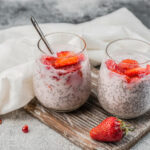
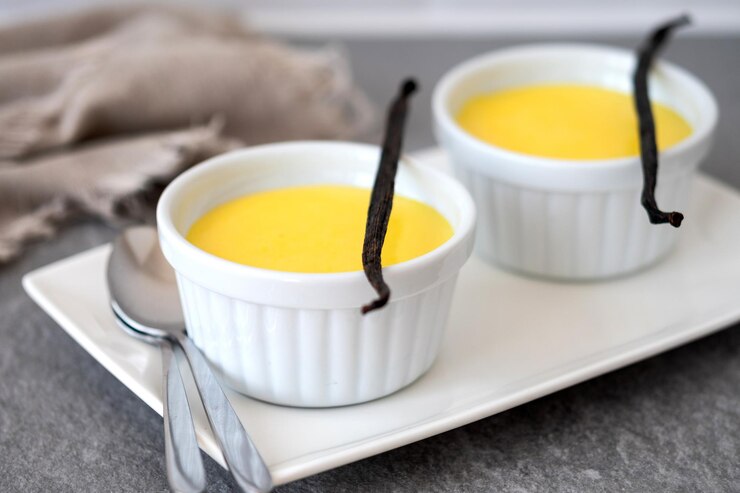
Custard, pastry cream and pudding are three popular desserts that share similar ingredients but have different textures, preparation methods and uses. Although they may look alike, understanding the difference between custard, pastry cream and pudding can help you choose the right recipe for your baking needs. All three usually contain milk, sugar and a thickening ingredient, but the proportions and cooking techniques create very different results. Custard is known for its smooth, delicate consistency and rich egg-based flavour. Pastry cream is thicker and more stable, making it ideal for filling cakes, doughnuts, éclairs and tarts. Pudding is generally softer and creamier, often relying on cornstarch to create its familiar spoonable texture. Once you understand how each one works, you can prepare better desserts and use these classic mixtures with confidence.
The biggest difference between custard, pastry cream and pudding comes down to their ingredients and how they thicken. Traditional custard uses eggs to create a smooth consistency, while pastry cream combines egg yolks with cornstarch or flour for a thicker filling. Pudding often uses cornstarch as its main thickening agent, although some recipes also include egg yolks for extra richness. These differences affect how each dessert behaves when chilled, heated or used in baking. Custard can be poured over desserts or baked until set, pastry cream holds its shape when piped or spread and pudding is usually served in bowls or glasses. Understanding these distinctions also makes it easier to adapt recipes without ending up with a mixture that is too thin or too firm. Below, you will find a closer look at each dessert, what makes it different and simple recipes you can prepare at home.
What Is Custard?
Custard is a creamy mixture traditionally made with milk or cream, eggs and sugar. Eggs play the main role in thickening the mixture as they gently cook and set. Some recipes include vanilla extract for flavour, while others use cinnamon, nutmeg or citrus zest.
Traditional custard is usually cooked slowly over low heat to prevent the eggs from scrambling. As the mixture warms, the egg proteins thicken the liquid and create a smooth consistency. Depending on the recipe, custard can be thin enough to pour or thick enough to hold its shape after baking.
Custard is commonly served with desserts such as fruit crumbles, steamed puddings, sponge cakes and tarts. It can also be baked in individual dishes to make a set custard dessert.
What Is Pastry Cream?
Pastry cream, also known as crème pâtissière, is a thick, rich custard commonly used as a filling in French baking. It contains milk, egg yolks, sugar and a starch thickener such as cornstarch or flour. Vanilla is a popular flavouring because it complements the creaminess of the mixture.
Unlike pouring custard, pastry cream needs to be thick enough to stay inside pastries without running out. The addition of cornstarch or flour gives it a firmer consistency that holds its shape once cooled.
Pastry cream is a key ingredient in many classic desserts. Bakers use it to fill éclairs, cream puffs, doughnuts, fruit tarts and layered cakes. It can also be folded with whipped cream to create a lighter filling for desserts that need a softer texture.
What Is Pudding?
Pudding is a creamy dessert made by thickening milk with ingredients such as cornstarch, sugar and flavourings. Many homemade pudding recipes also include egg yolks, butter and vanilla extract to create a richer taste.
Unlike traditional custard, which relies mainly on eggs for thickening, pudding often uses cornstarch to achieve its smooth, spoonable consistency. The mixture is heated until it thickens, then chilled before serving.
Chocolate, vanilla and butterscotch are among the most popular pudding flavours. Pudding is usually served in individual bowls or glasses, although it can also be used as a filling for pies, trifles and layered desserts.
The Main Differences Between Custard, Pastry Cream and Pudding
Although these three desserts share several ingredients, their differences become clear when you compare their texture, thickening agents and uses.
Ingredients and Thickening Agents
Custard traditionally uses eggs as its main thickener. The eggs gently cook in the warm milk or cream, creating a smooth and delicate mixture.
Pastry cream uses both egg yolks and starch. This combination creates a thicker consistency that can support pastry fillings and layered desserts.
Pudding generally relies on cornstarch for thickening. Some recipes include egg yolks, but the starch provides much of the structure.
Texture and Consistency
Custard has a smooth, silky texture that can range from pourable to firmly set, depending on how it is prepared. Pastry cream is much thicker and holds its shape when spread or piped. Pudding sits between the two in many recipes, offering a soft, creamy texture that is easy to spoon.
Common Uses
Custard is often served alongside warm desserts or baked in individual portions. Pastry cream is mainly used as a filling for pastries, cakes and tarts. Pudding is usually enjoyed as a chilled dessert, although it can also be used in pies and other sweet treats.
Homemade Custard Recipe
Ingredients
- 2 cups full-cream milk
- 3 large egg yolks
- ¼ cup granulated sugar
- 1 teaspoon vanilla extract
- 1 tablespoon cornstarch, optional, for a slightly thicker consistency
Instructions
- Pour the milk into a saucepan and heat over medium-low heat until warm but not boiling.
- In a separate bowl, whisk the egg yolks and sugar until pale and smooth.
- If using cornstarch, whisk it into the egg mixture until no lumps remain.
- Slowly pour a small amount of warm milk into the egg mixture while whisking continuously. This helps warm the eggs gradually and prevents them from scrambling.
- Pour the egg mixture back into the saucepan with the remaining milk.
- Cook over low heat, stirring constantly with a wooden spoon or heat-resistant spatula, until the custard thickens enough to coat the back of a spoon. Do not allow it to boil.
- Remove from the heat and stir in the vanilla extract.
- Strain through a fine sieve if you want an especially smooth consistency. Serve warm or allow it to cool before refrigerating.
Homemade Pastry Cream Recipe
Ingredients
- 2 cups full-cream milk
- 4 large egg yolks
- ½ cup granulated sugar
- ¼ cup cornstarch
- 2 tablespoons unsalted butter
- 2 teaspoons vanilla extract
- Pinch of salt
Instructions
- Pour the milk into a saucepan and heat over medium heat until steaming but not boiling.
- In a mixing bowl, whisk the egg yolks, sugar, cornstarch and salt until smooth and pale.
- Slowly add a little warm milk to the egg mixture while whisking continuously.
- Pour the tempered egg mixture back into the saucepan with the remaining milk.
- Cook over medium-low heat, whisking constantly, until the mixture becomes thick and starts bubbling gently.
- Continue whisking for another minute to cook out the starchy taste and ensure the pastry cream thickens properly.
- Remove the saucepan from the heat. Stir in the butter and vanilla extract until fully combined.
- Transfer the pastry cream to a clean bowl and press plastic wrap directly onto its surface to prevent a skin from forming.
- Refrigerate until completely chilled before using it to fill pastries, cakes or tarts.
Homemade Vanilla Pudding Recipe
Ingredients
- 2 cups full-cream milk
- ½ cup granulated sugar
- 3 tablespoons cornstarch
- 2 large egg yolks
- 2 tablespoons unsalted butter
- 2 teaspoons vanilla extract
- Pinch of salt
Instructions
- Add the sugar, cornstarch and salt to a medium saucepan. Whisk until evenly combined.
- Gradually pour in the milk while whisking to prevent lumps from forming.
- In a separate bowl, lightly whisk the egg yolks.
- Place the saucepan over medium heat and cook, stirring continuously, until the mixture begins to thicken.
- Slowly whisk a few spoonfuls of the hot milk mixture into the egg yolks to warm them gradually.
- Pour the egg mixture back into the saucepan and continue cooking while whisking until the pudding becomes thick and smooth.
- Remove from the heat and stir in the butter and vanilla extract.
- Divide the pudding between serving bowls or glasses. Cover the surface with plastic wrap if you want to prevent a skin from forming.
- Refrigerate for at least two hours before serving.
Custard, pastry cream and pudding may share similar ingredients, but each has its own texture, preparation method and purpose in baking. Custard offers a smooth, delicate consistency and works beautifully as a sauce or baked dessert. Pastry cream is thicker and more stable, making it the better choice for filling éclairs, doughnuts, cakes and fruit tarts. Pudding provides a soft, creamy texture that makes it ideal for chilled desserts and layered treats. Understanding the role of eggs, cornstarch and other thickening ingredients helps you achieve the right consistency every time. With the three homemade recipes above, you can experiment with each mixture and discover how easily they can improve your favourite desserts. Whether you are preparing a simple family pudding or an elaborate pastry creation, knowing which one to use will help you get better results in the kitchen.