
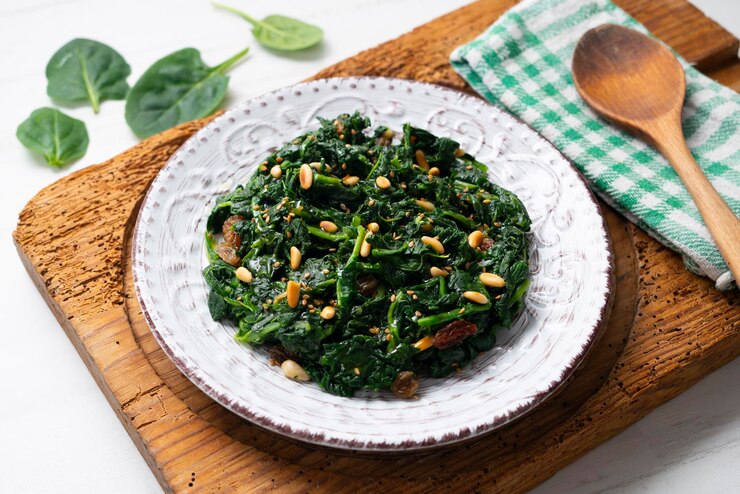
Morogo, also known as African spinach or wild leafy greens, has been a staple in South African diets for generations. Beyond its role in traditional dishes, morogo is a powerhouse of nutrients that supports overall health. Packed with vitamins, minerals, and antioxidants, these leafy greens are more than just a side dish—they are a functional food that can improve digestion, immunity, and energy levels.
Nutritional Profile of Morogo
Morogo is low in calories and high in essential nutrients. A 100-gram serving of cooked morogo provides approximately:
- Calories: 35 kcal
- Protein: 3–4 g
- Carbohydrates: 5–6 g
- Fibre: 2–3 g
- Fat: 0.5 g
- Vitamin A: 3000–4000 IU
- Vitamin C: 30–40 mg
- Calcium: 120–150 mg
- Iron: 3–4 mg
- Potassium: 400–450 mg
These numbers highlight morogo as a nutrient-dense option, especially for people looking to boost vitamin intake, improve digestion, and maintain strong bones.
Rich Source of Vitamins
Morogo is particularly high in vitamin A and C. Vitamin A supports healthy vision, skin, and immune function. Vitamin C is a powerful antioxidant that protects cells, aids in collagen formation, and improves iron absorption. Regular consumption of morogo can help prevent deficiencies and promote overall wellness.
Supports Digestive Health
The fibre content in morogo aids digestion and supports gut health. Dietary fibre adds bulk to stool, prevents constipation, and promotes regular bowel movements. Morogo’s gentle fibre also feeds healthy gut bacteria, contributing to a balanced microbiome.
Bone and Blood Health
Morogo is a good source of calcium and iron. Calcium is essential for strong bones and teeth, while iron supports healthy red blood cell production and prevents anemia. Consuming morogo alongside vitamin C-rich foods, like tomatoes or citrus, enhances iron absorption for maximum benefit.
Antioxidant Properties
Morogo contains various antioxidants, including flavonoids and carotenoids. These compounds help neutralize free radicals in the body, reducing oxidative stress and lowering the risk of chronic diseases. Antioxidants in morogo also contribute to skin health and may support heart function.
Supports Weight Management
Low in calories and high in fibre, morogo can help you feel full without adding excess calories. Including morogo in meals helps control appetite and supports healthy weight management. Its nutrient density ensures your body gets essential vitamins and minerals even on low-calorie diets.
Versatility Makes It Easy to Include
Morogo can be added to stir-fries, stews, soups, and even omelettes. Cooking it lightly preserves nutrients, while pairing it with healthy fats like olive oil enhances the absorption of fat-soluble vitamins such as vitamin A. Its mild, earthy flavour blends well with modern dishes, making it easy to enjoy daily.
Morogo is more than a traditional side; it is a nutritional powerhouse that supports multiple aspects of health. Its rich vitamin content strengthens immunity, promotes healthy skin and vision, and aids in iron absorption. Fibre supports digestive health, while calcium and iron enhance bone and blood health. Antioxidants protect against oxidative stress, and its low-calorie, high-fibre profile aids weight management. By incorporating morogo into your modern home cooking, you can enjoy a tasty, versatile ingredient that delivers essential nutrients and contributes to long-term well-being. Regular consumption of morogo ensures that you get the benefits of a nutrient-dense, natural, and versatile leafy green in a simple, accessible way.