Caramelised onions are one of the simplest ingredients you can make, yet they can completely change the flavour of an everyday meal. When cooked properly, ordinary onions become deeply golden, soft, sweet and rich with a savoury flavour that works in everything from burgers and sandwiches to soups, pasta and savoury tarts. The secret is not a complicated ingredient or an expensive piece of equipment, but giving the onions enough time to soften, release their moisture and slowly develop their colour. Cooking them too quickly can leave you with browned edges and undercooked centres instead of the tender, jammy texture that makes caramelised onions so good. You also do not need to add large amounts of sugar because onions contain natural sugars that become more concentrated as their water cooks away. A wide pan, moderate to low heat, enough fat and regular stirring will give you much better control over the process. Once you understand what is happening in the pan, making deeply golden caramelised onions becomes an easy kitchen skill that can elevate even the simplest dishes.
What Makes Caramelised Onions So Sweet and Tender?
Caramelised onions are created through a slow cooking process that removes much of the water from the onions while concentrating their natural sugars and developing complex browned flavours. The onions also undergo browning reactions as their temperature rises and moisture decreases, which contributes to their deep colour and savoury flavour. This is why properly caramelised onions taste far more complex than onions that have simply been fried until brown.
The transformation takes time because onions contain a large amount of water. During the early stages of cooking, the onions soften and release moisture into the pan. As that moisture evaporates, the onions become more concentrated and their sugars can brown more effectively. Food Network’s testing found that deeply caramelised onions can take around 45 minutes using a stainless-steel skillet, while other methods can take considerably longer depending on the pan, heat and quantity. (Food Network)
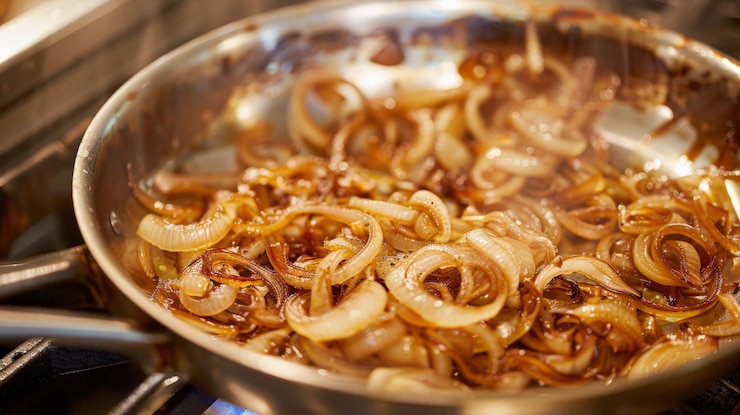
The goal is to cook the onions until they are soft enough to almost melt while retaining enough structure to remain as silky strands rather than turning into a completely smooth paste. Their colour should progress from pale and translucent to golden, amber and finally a rich brown. The deeper the colour, the more intense the flavour becomes, although you need to stop before the onions burn.
Choosing the Best Onions
Yellow onions are an excellent choice for classic caramelised onions because they develop a balanced sweet and savoury flavour as they cook. You can also use white onions, red onions or shallots depending on the dish you are preparing. Different onions can produce slightly different results, so it is worth experimenting once you are comfortable with the basic technique.
Yellow onions are particularly useful when you want a versatile batch that can be added to burgers, sandwiches, sauces, pies, soups and pasta. Red onions can add a slightly different flavour and colour, while shallots can produce an especially delicate result.
You do not need to buy onions labelled as “sweet onions” to make sweet caramelised onions. The sweetness comes largely from the cooking process because slow cooking reduces water and concentrates the flavours already present in the onions.
Why Low and Slow Cooking Matters
The biggest mistake when making caramelised onions is using too much heat. High heat can brown the outside of the onions before the interior has softened properly, leaving you with burnt pieces mixed with pale, crunchy pieces.
Low to medium-low heat gives the onions time to soften gradually while their moisture evaporates. BBC Good Food also emphasises that time is central to achieving soft, sticky caramelised onions and recommends cooking them slowly rather than trying to brown them quickly. (BBC Good Food)
You do not have to stand over the pan every second, but you should check the onions regularly. Stir more frequently as they become darker because there is less moisture in the pan to protect them from scorching. If brown bits begin sticking to the bottom, add a small splash of water and scrape them into the onions.
The Best Pan for Caramelised Onions
A wide, heavy-based frying pan is one of the best choices because it gives the onions plenty of surface area. A crowded, narrow pan can trap moisture and cause the onions to steam for longer before they begin to brown.
Stainless steel is particularly useful because it allows browned bits to develop on the bottom of the pan. Those browned bits, known as fond, can be loosened with a little water, stock or another liquid and stirred back into the onions for additional flavour. A heavy Dutch oven can also work well, although the cooking process may take longer. (Food Network)
Choose a pan that looks oversized when you first add the onions. They will shrink dramatically during cooking, so a pan that seems too large at the beginning can become the perfect size later.
Butter, Oil or Both?
Butter gives caramelised onions a rich flavour and helps create a luxurious texture. Olive oil is useful because it handles sustained cooking well and keeps the onions from sticking. Using a combination of butter and olive oil gives you the richness of butter with the practicality of oil.
You can make caramelised onions with oil alone if you prefer. The most important thing is not to use so much fat that the onions become greasy. You need enough to coat the onions and prevent sticking while still allowing the moisture to cook away.
Should You Add Sugar?
You can add sugar, but you generally do not need it. Onions contain natural sugars that become more concentrated during slow cooking. Adding a lot of extra sugar can make the finished onions overly sweet and can also encourage them to brown too quickly.
For a classic deeply caramelised onion, patience is usually more valuable than added sugar. Some recipes do use brown sugar to create a sweeter, more chutney-like result, but it is a stylistic choice rather than an essential ingredient. (BBC Good Food)
Should You Use Baking Soda?
Baking soda is sometimes used to speed up browning because it raises the pH of the onions and can accelerate browning reactions. It can also soften onions more quickly. However, there is a trade-off because too much can affect the flavour and texture of the onions. (National Onion Association)
For deeply golden, tender onions where you want distinct silky strands, the best approach is to leave the baking soda out and allow the onions to cook naturally. A small amount can be useful in recipes where speed matters more than maintaining the classic texture, but it is not necessary for this method.
Full Recipe for Deeply Golden Caramelised Onions
This recipe makes approximately 2 cups of caramelised onions, depending on the size and moisture content of your onions.
Ingredients
- 1 kg yellow onions
- 30 ml olive oil
- 30 g unsalted butter
- 5 ml fine salt, plus more to taste
- 60 to 120 ml water, as needed
- 15 ml balsamic vinegar, optional
- 2.5 ml freshly ground black pepper
- 2 sprigs fresh thyme, optional
Method
- Peel the onions and cut them in half from root to tip. Slice them thinly and evenly. Aim for slices around 3 to 5 mm thick so they cook at roughly the same rate.
- Heat a large, heavy-based frying pan over medium heat. Add the olive oil and butter and allow the butter to melt without letting it become dark.
- Add all the sliced onions to the pan. They may look like far too many onions at first, but they will shrink significantly as they cook.
- Sprinkle over the salt and stir thoroughly so the onions are coated in the fat. Cook for about 10 minutes, stirring occasionally, until the onions begin to soften and release moisture.
- Reduce the heat to medium-low. Continue cooking uncovered, stirring every 5 to 10 minutes. The onions will gradually become softer and more golden.
- As the onions become darker, watch the bottom of the pan carefully. If brown patches begin sticking firmly to the pan, add 15 to 30 ml water and scrape the bottom with a wooden spoon. Stir the loosened brown bits into the onions.
- Continue cooking for another 25 to 40 minutes. The exact time will depend on your pan, heat level, onions and preferred colour. Keep stirring more frequently as the onions become darker and the moisture disappears.
- When the onions are deeply golden to amber, very soft and glossy, taste them. They should have a mellow sweetness with a rich savoury flavour and no bitter burnt taste.
- Add the black pepper and fresh thyme if using. For a slightly sharper flavour, stir in the balsamic vinegar and cook for another 1 to 2 minutes until it has reduced.
- Remove the pan from the heat and allow the onions to cool slightly before serving. Remove the thyme sprigs before storing.
How to Tell When Caramelised Onions Are Done
Colour is one of the easiest ways to judge caramelised onions, but it should not be your only guide. Properly cooked onions should be deeply golden or brown, glossy and extremely soft. They should easily bend around a spoon rather than feeling firm or crunchy.
The volume will also have reduced dramatically. A kilogram of raw onions can shrink into a much smaller quantity after cooking because so much of their water has evaporated. This reduction is one reason caramelised onions have such a concentrated flavour.
Taste is the final test. The onions should taste sweet, savoury and mellow rather than sharp. If they taste bitter or smoky, they have probably been scorched.
How to Prevent Caramelised Onions From Burning
The key is to adjust the heat as the onions change. Early in the cooking process, there is plenty of water in the pan, so the onions are less likely to burn. Later, when most of that moisture has evaporated, the natural sugars can catch quickly.
Stir more frequently during the final stages. If you notice the onions sticking or the pan developing dark brown spots too quickly, lower the heat and add a small splash of water. Scrape the bottom gently and mix the released fond into the onions.
Never pour a large amount of cold liquid into a very hot pan. A small splash is enough to loosen the browned bits while allowing the onions to continue cooking.
Common Mistakes When Caramelising Onions
One of the most common mistakes is trying to rush the process. Turning the heat up may produce brown onions faster, but it does not necessarily produce properly caramelised onions. The interior needs time to soften and the moisture needs time to evaporate.
Another mistake is slicing the onions unevenly. Very thin pieces can burn while thick pieces are still cooking. Keeping the slices relatively consistent gives you more even results.
Overcrowding can also make the process harder to control. While onions naturally shrink, a pan that is too small can trap too much moisture at the beginning. A wide pan gives the onions more space and makes it easier to develop colour once the water has evaporated.
Finally, do not walk away during the final stage. Once the onions become deeply golden, the difference between rich and sweet and burnt and bitter can happen quickly.
How to Deglaze the Pan
Deglazing is an easy way to capture the concentrated flavour stuck to the bottom of the pan. When the onions have developed brown bits, add a small amount of water and scrape the pan with a wooden spoon.
You can also use vegetable stock, beef stock, wine or a splash of balsamic vinegar depending on the dish. The liquid loosens the fond and incorporates it back into the onions.
If you are serving the onions with beef or a rich savoury dish, a little beef stock can add depth. For vegetarian dishes, vegetable stock or water works well. For a sharper finish, balsamic vinegar can be added near the end rather than during the early stages.
How to Store Caramelised Onions
Allow the onions to cool before transferring them to a clean airtight container. Keep them refrigerated and use them within several days for the best quality.
You can also freeze caramelised onions in small portions. Spoon them into an ice tray or small freezer-safe containers so you can remove only the amount you need. Once frozen, they can be added directly to soups, sauces and other dishes where they will warm through during cooking.
Making a large batch can therefore save time later. A single cooking session can provide enough caramelised onions for several meals.
Delicious Ways to Use Caramelised Onions
Caramelised onions are incredibly versatile. Spoon them onto burgers with mature cheddar for a rich topping or add them to toasted sandwiches with cheese for an easy lunch.
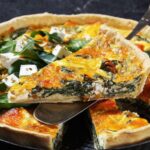
They are also excellent in savoury tarts and quiches. Combine them with feta, goat cheese or cheddar and add fresh thyme for a simple filling. They can also be stirred into pasta sauces or folded through mashed potatoes.
For breakfast, add caramelised onions to scrambled eggs, omelettes or savoury toast. They also pair well with sausages, grilled steak and roasted vegetables.
For entertaining, serve them alongside a cheese board or spread them over crostini with soft cheese. Their sweet and savoury flavour can make simple ingredients taste much more substantial.
The Secret to Better Caramelised Onions
The real secret is patience. You do not need complicated equipment, unusual ingredients or large amounts of sugar to make deeply golden onions. What you need is controlled heat, a suitable pan and enough cooking time.
Salt helps season the onions while they cook, while butter and oil provide richness and help prevent sticking. Regular stirring keeps the onions moving and allows you to monitor the development of colour.
Most importantly, learn to cook according to what you see and taste rather than following the clock blindly. Some batches may take 40 minutes while others may need an hour or longer. The onions themselves will tell you when they are ready through their colour, texture, aroma and flavour.
Final Thoughts
Deeply golden caramelised onions are proof that simple ingredients can produce remarkable results when you give them enough time and attention. The transformation from sharp, crunchy raw onions to soft, sweet and richly browned strands happens gradually as moisture evaporates and flavour becomes concentrated. Choosing yellow onions, slicing them evenly and cooking them in a wide pan over moderate to low heat gives you a strong foundation for consistent results. You should resist the temptation to add excessive sugar or turn up the heat because both can interfere with the balanced flavour and tender texture you are trying to achieve. Regular stirring becomes increasingly important as the onions darken because the reduced moisture makes them more vulnerable to scorching. Once you master the technique, you can prepare a larger batch and use it throughout the week in burgers, sandwiches, soups, pasta, eggs, savoury pastries and many other dishes. The next time you have a few onions in your kitchen, slow cooking them into a deeply golden, sweet and tender topping can turn an ordinary ingredient into one of the most useful flavour boosters in your cooking.