
Foraging for wild foods can be a rewarding experience, offering a connection to nature and a chance to discover fresh, organic ingredients. However, it’s crucial to know which wild foods can be poisonous if not correctly identified or prepared. Here are ten foods that can be dangerous when harvested in the wild:
1. Mushrooms
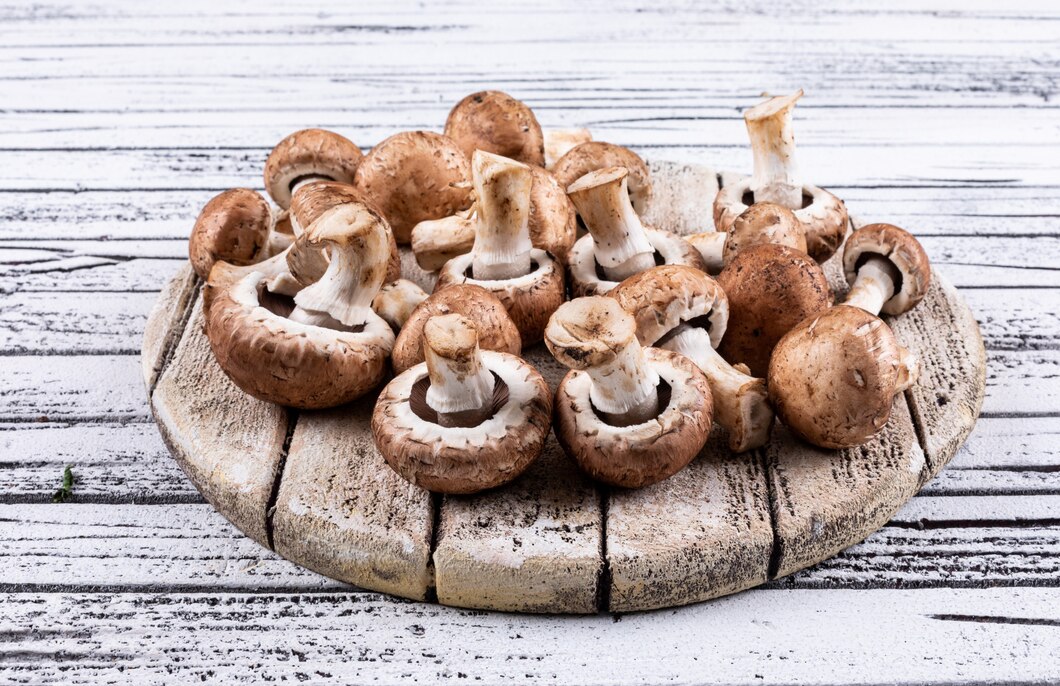
Mushrooms are a popular foraged food, but many varieties are toxic and can be deadly. Amanita phalloides, also known as the death cap, is one of the most dangerous. It’s crucial to have expert knowledge or guidance when foraging mushrooms to avoid consuming toxic species.
2. Wild Berries
While many wild berries are edible, some can be harmful. Belladonna (deadly nightshade) berries and baneberries are highly toxic and can cause severe illness or death if ingested. It’s essential to distinguish between edible berries like wild blueberries and dangerous ones accurately.
3. Wild Parsnip
Wild parsnip resembles carrots or celery and can cause skin irritation and burns when touched, especially when exposed to sunlight. Consuming it can lead to digestive distress and other symptoms. Avoid wild parsnip or wear protective clothing when handling it.
4. Elderberries
Elderberries are often used in jams and syrups, but raw elderberries contain cyanogenic glycosides, which can release cyanide. Proper cooking is necessary to neutralize these compounds, making elderberries safe for consumption.
5. Rhubarb Leaves
Rhubarb stalks are edible and commonly used in pies and desserts, but the leaves contain oxalic acid, which is toxic and can cause kidney failure. When harvesting rhubarb, only the stalks should be consumed.
6. Wild Garlic
Wild garlic, or “ramps,” is a sought-after ingredient, but it can be mistaken for toxic plants like lily of the valley. The leaves of lily of the valley are similar in appearance but contain cardiac glycosides that can be fatal.
7. Fiddleheads
Fiddleheads, the young coiled fronds of ferns, are a delicacy in some regions. However, they must be cooked thoroughly to eliminate potential toxins that can cause food poisoning symptoms. Raw or undercooked fiddleheads should be avoided.
8. Chokecherries
Chokecherries are astringent fruits often used in syrups and jellies. However, the seeds and pits contain cyanogenic compounds, which can release cyanide. To safely enjoy chokecherries, remove the seeds and cook the fruit.
9. Wild Almonds
Wild almonds contain amygdalin, which can convert to cyanide when consumed. Unlike the sweet almonds found in stores, wild almonds can be bitter and toxic if eaten raw. Proper processing is necessary to remove the toxicity.
10. Dandelion Greens
Dandelion greens are edible and nutritious, but they can absorb harmful pesticides and pollutants from their environment. Forage them from areas free of chemical exposure to ensure safety.
When foraging wild foods, accurate identification and knowledge of proper preparation methods are essential to prevent poisoning. Always consult with local experts, use reliable field guides, and err on the side of caution. Prioritizing safety ensures that your foraging experience is both enjoyable and risk-free.