
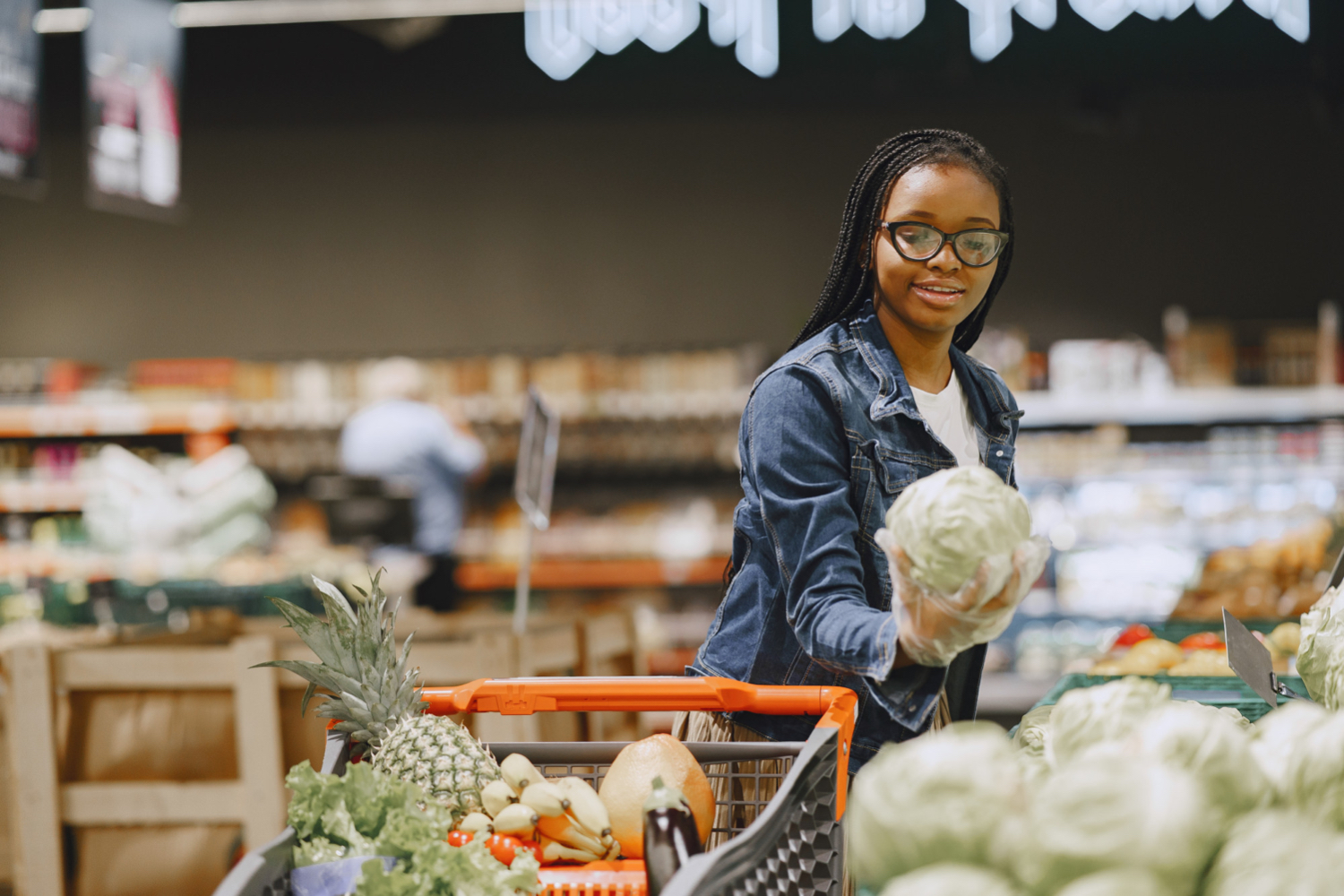
In a country celebrated for its diverse and rich agricultural output, South Africans have access to a wide variety of fresh vegetables. However, with such abundance, the challenge often lies in choosing the freshest produce. Whether you’re a culinary enthusiast or someone striving for a healthier lifestyle, knowing how to select the best vegetables is essential. Here are ten expert tips to help you ensure the vegetables you buy are fresh and of high quality.
1. Look for Vibrant Colors
Fresh vegetables usually display vibrant colors. Look for greens that are bright and leafy vegetables that haven’t started to yellow. Rich, deep colors often indicate not only freshness but also a higher concentration of nutrients.
2. Check for Firmness
Gently squeeze the vegetables. Fresh vegetables should feel firm and not soft or pliable. Soft spots can indicate beginning stages of decay, particularly in vegetables like tomatoes, peppers, and cucumbers.
3. Inspect the Leaves and Stems
Leafy greens should have crisp, perky leaves, not wilted or brown-edged ones. The stems of vegetables like broccoli and cauliflower should be firm and not show any signs of drying out or cracking.
4. Sniff for Freshness
Fresh vegetables should have a clean, earthy smell. Any sour or off odors suggest that the vegetable is past its prime. This is particularly true for root vegetables and members of the cabbage family.
5. Avoid Excessive Bruising
While a small bruise on a vegetable can be cut away, excessive bruising can indicate that the vegetable has been mishandled or is starting to spoil.
6. Look for Signs of Life
In some cases, signs of sprouting (like in potatoes) can indicate age, but in vegetables like spring onions, a bit of growth can actually indicate freshness. Use your judgment based on the type of vegetable.
7. Check the Weight
Some vegetables, like lemons and oranges (though technically fruits), should feel heavy for their size, indicating they are ripe and juicy. This can also apply to root vegetables, which should feel dense.
8. Assess the Packaging
If the vegetables are packaged, ensure the bag or container isn’t damaged. Moisture inside a bag can indicate decay. Also, check for a sell-by date if provided.
9. Buy Seasonal Vegetables
Vegetables that are in season are likely to be fresher and more flavorful. They’ve typically traveled less distance to get to your store, reducing the time between harvest and purchase.
10. Choose Reputable Sources
Purchase your vegetables from reputable markets, grocers, or farmers’ markets known for their quality. Fresh produce markets often get daily deliveries, ensuring a rotation of fresh stock.
Bonus Tip: Engage Your Senses
Utilize all your senses when selecting vegetables. Look, feel, smell, and even lightly tap (as with melons) to judge freshness. The more you practice, the better you’ll become at selecting the freshest produce.
In South Africa, with its rich agricultural heritage, finding fresh vegetables can be an enjoyable experience. By applying these tips, you can ensure that the vegetables you bring home are not only fresh but also packed with the flavors and nutrients that make your meals more enjoyable and healthy. Remember, the freshest ingredients make for the best dishes, contributing significantly to the culinary experience.