
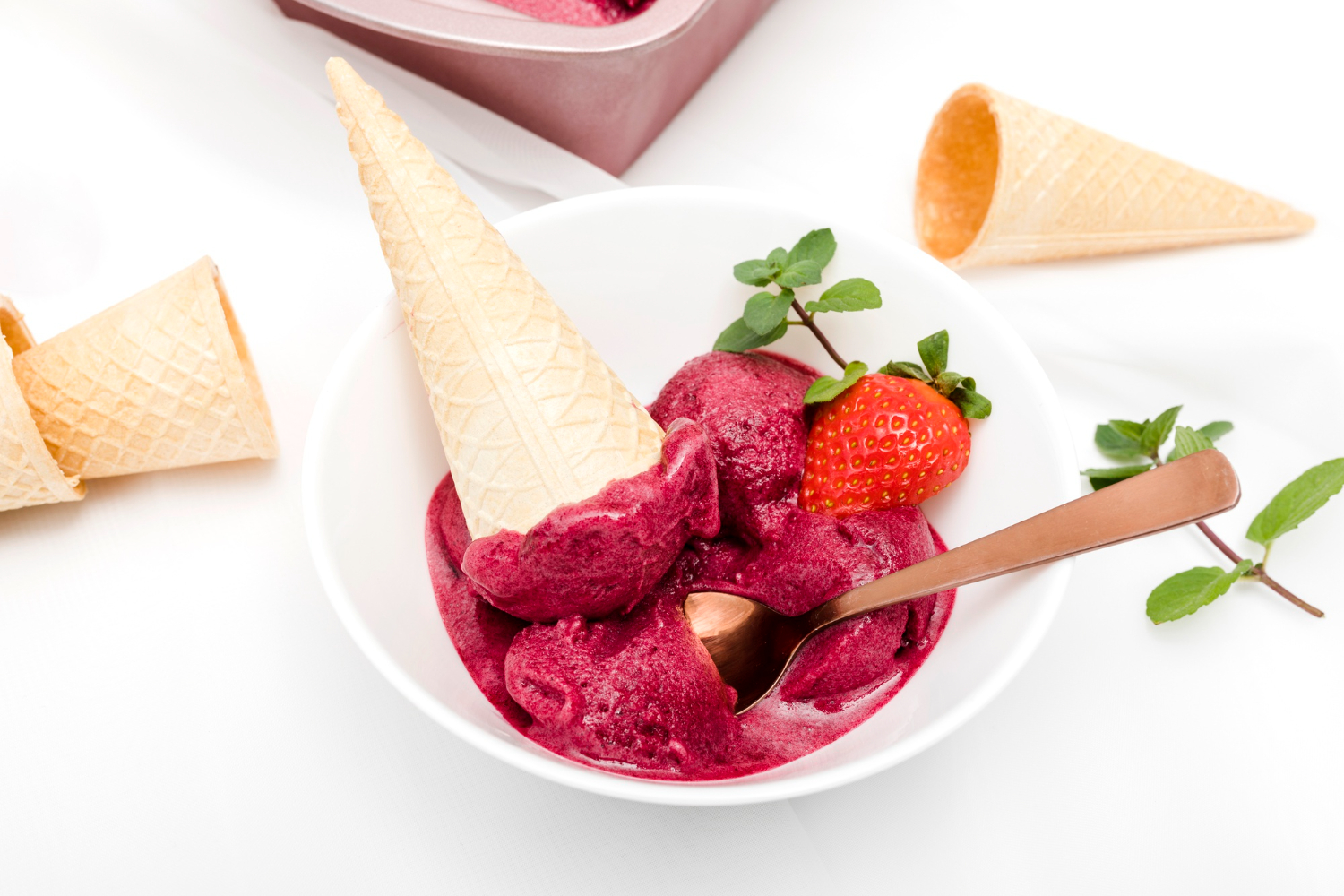
Sorbet is one of the most refreshing frozen desserts you can make at home, especially when you combine familiar fruits with unexpected ingredients that bring out their natural flavours. While lemon, strawberry and mango sorbet are delicious classics, there is a whole world of exciting flavour combinations waiting to be discovered. Imagine the tropical sweetness of pineapple paired with fresh basil, the delicate fragrance of pear balanced with ginger or the bold contrast of watermelon and lime with a hint of chilli. These creative combinations transform simple fruit into elegant desserts that are perfect for summer afternoons, dinner parties or a light treat after a hearty meal. Unlike traditional ice cream, sorbet is usually made without dairy, allowing the fresh fruit, herbs, spices and citrus to take centre stage. With a few quality ingredients and the right preparation techniques, you can create beautifully flavoured sorbets without needing expensive equipment or complicated methods. In this guide, you will discover five unusual sorbet flavour combinations, complete homemade recipes and practical tips for achieving smooth, scoopable results every time.
What Makes a Great Sorbet Flavour Combination?
A memorable sorbet balances sweetness, acidity, aroma and texture. Fruit provides the main flavour and natural sugars, while citrus juice can brighten the mixture and prevent it from tasting flat. Herbs, spices and other flavourings add complexity, creating a dessert that tastes more interesting than a simple frozen fruit purée.
The best combinations usually have one dominant flavour supported by one or two complementary ingredients. Too many competing flavours can make a sorbet confusing, while an ingredient with a strong aroma can easily overwhelm delicate fruit.
For example, pineapple has enough sweetness and acidity to stand up to fresh basil, while pear has a mild flavour that works beautifully with warming ginger. Watermelon is refreshing but relatively subtle, making lime and a small amount of chilli useful additions. When experimenting, start with small quantities of herbs and spices, taste the unfrozen mixture and adjust gradually.
Essential Ingredients for Homemade Sorbet
Most homemade sorbets require only a handful of ingredients:
- Fresh or frozen fruit: Choose ripe fruit with a strong aroma and good natural sweetness.
- Sugar: Helps balance acidity and improves the texture by reducing how firmly the mixture freezes.
- Citrus juice: Lemon or lime juice adds brightness and balances sweetness.
- Water: Useful for dissolving sugar and adjusting the consistency.
- Fresh herbs or spices: These provide the distinctive flavours that make each recipe unusual.
You can prepare sorbet with an ice cream machine or without one. Both methods work well, although the texture is generally smoother when the mixture is churned while freezing.
1. Pineapple and Fresh Basil Sorbet
Pineapple and basil might seem like an unusual pairing, but their flavours complement each other beautifully. Pineapple offers tropical sweetness and a lively acidity, while basil contributes a fresh, aromatic note that makes the dessert taste sophisticated without being overpowering.
This combination works particularly well after a rich meal because the fruit tastes bright and refreshing. It is also an excellent choice for warm-weather entertaining, when a light frozen dessert feels more appealing than a heavy pudding.
Recipe: Pineapple and Basil Sorbet
Preparation time: 15 minutes
Freezing time: 4 to 6 hours, or until firm
Serves: 4 to 6
Ingredients
- 600 g ripe pineapple, peeled, cored and chopped
- 120 ml water
- 100 g granulated sugar
- 20 ml fresh lime juice
- 8 to 10 fresh basil leaves
- A small pinch of salt
Method
- Place the water and sugar in a small saucepan. Heat gently, stirring until the sugar dissolves completely.
- Remove the syrup from the heat and allow it to cool to room temperature.
- Place the chopped pineapple in a blender or food processor and blend until completely smooth.
- Add the cooled syrup, lime juice and salt. Blend again until everything is evenly combined.
- Add the basil leaves and pulse briefly to release their flavour. For a delicate basil note, blend only a few leaves into the mixture and steep the remaining leaves in the cooled syrup for five minutes before removing them.
- Taste the mixture before freezing. Add a little more lime juice if it is too sweet or a small amount of sugar syrup if the pineapple is particularly tart.
- Pour the mixture into a shallow, freezer-safe container.
- Freeze for approximately four to six hours, stirring thoroughly with a fork every 30 to 45 minutes during the first three hours if you are not using an ice cream machine.
- Once the sorbet is firm, allow it to stand at room temperature for five to ten minutes before scooping.
Tips for the Best Pineapple and Basil Sorbet
Use ripe pineapple for the sweetest, most fragrant result. If the fruit is particularly fibrous, strain the blended mixture through a fine sieve before freezing. Add the basil gradually because too much can create a grassy or slightly bitter flavour.
For a more pronounced tropical taste, replace half the pineapple with ripe mango. You can also serve the sorbet with fresh pineapple pieces or a few finely sliced basil leaves for an elegant finish.
2. Pear and Fresh Ginger Sorbet
Pear and ginger create a delicate balance between gentle fruit sweetness and warming spice. Pear has a soft, floral flavour that can sometimes seem understated in frozen desserts, while fresh ginger introduces a lively warmth that makes each spoonful more interesting.
This sorbet is ideal for autumn and winter entertaining, but it is equally enjoyable during warmer months because the fruit remains light and refreshing. It pairs particularly well with poached fruit, crisp biscuits or a simple almond cake.
Recipe: Pear and Ginger Sorbet
Preparation time: 20 minutes
Freezing time: 4 to 6 hours, or until firm
Serves: 4 to 6
Ingredients
- 700 g ripe pears, peeled, cored and chopped
- 120 ml water
- 100 g granulated sugar
- 15 ml fresh lemon juice
- 10 to 15 g fresh ginger, peeled and finely grated
- 1 small strip of lemon zest, optional
Method
- Place the water, sugar, grated ginger and optional lemon zest in a small saucepan.
- Bring the mixture to a gentle simmer, stirring until the sugar dissolves. Remove from the heat and allow it to steep for five to ten minutes.
- Strain the syrup through a fine sieve to remove the ginger fibres and lemon zest. Allow it to cool completely.
- Place the chopped pears in a blender and blend until smooth.
- Add the cooled ginger syrup and lemon juice to the pear purée. Blend until evenly combined.
- Taste the mixture and adjust the ginger or lemon according to your preference. Add ginger gradually because its flavour can become more noticeable after chilling.
- Pour the mixture into a shallow freezer-safe container.
- Freeze for four to six hours, stirring thoroughly every 30 to 45 minutes during the first three hours if you are not using an ice cream machine.
- When the sorbet is firm, leave it at room temperature for five to ten minutes before serving.
How to Get the Best Flavour
Choose ripe pears that are fragrant but not overripe or bruised. If your pears are firm, peel and chop them, then simmer them with a small splash of water until tender before blending. Cool the cooked fruit completely before adding the syrup.
Fresh ginger provides a cleaner, brighter flavour than ground ginger. For a more complex dessert, add a tiny pinch of ground cardamom to the syrup. Avoid adding too much spice, as the aim is to complement the pear rather than hide its delicate taste.
3. Watermelon, Lime and Chilli Sorbet
Watermelon, lime and chilli deliver a refreshing combination of sweetness, acidity and gentle heat. Watermelon is naturally juicy, while lime adds sharpness and chilli provides a surprising finish that develops as the sorbet melts on the tongue.
This is a particularly good option for summer braais, garden parties and outdoor lunches. Its bright colour makes it visually appealing, and the unusual flavour combination gives guests something different from the usual fruit sorbet.
Recipe: Watermelon, Lime and Chilli Sorbet
Preparation time: 15 minutes
Freezing time: 4 to 6 hours, or until firm
Serves: 4 to 6
Ingredients
- 800 g seedless watermelon flesh, chopped
- 80 to 100 g granulated sugar, depending on the sweetness of the fruit
- 30 ml fresh lime juice
- 1 teaspoon finely grated lime zest
- A small pinch of cayenne pepper or mild chilli powder
- A small pinch of salt
Method
- Remove any remaining seeds from the watermelon and cut the flesh into small pieces.
- Blend the watermelon until smooth.
- Pour the purée through a fine sieve into a bowl to remove excess pulp, if desired. This creates a lighter, smoother texture.
- Place the sugar and 60 ml of the watermelon purée in a small saucepan. Warm gently, stirring until the sugar dissolves. Allow the mixture to cool completely.
- Combine the cooled syrup with the remaining watermelon purée, lime juice, lime zest and salt.
- Add a very small pinch of chilli powder and stir well. Taste the mixture before adding more because the heat can become more noticeable once the flavours settle.
- Pour the mixture into a shallow freezer-safe container.
- Freeze for four to six hours, stirring thoroughly every 30 to 45 minutes during the first three hours if you are not using an ice cream machine.
- Once firm, let the sorbet soften slightly before scooping. Garnish with a little extra lime zest if desired.
How to Balance Sweetness and Heat
Watermelon varies significantly in sweetness, so taste the fruit before deciding how much sugar to add. If the watermelon is very sweet, begin with the lower quantity. If it is bland, a little extra lime juice can improve the flavour, although adding too much liquid may affect the texture.
Use chilli sparingly. The best result is a gentle warmth that appears after the fruity sweetness rather than an intense burning sensation. For a milder variation, omit the chilli and add a few finely chopped mint leaves instead.
4. Strawberry, Balsamic Vinegar and Black Pepper Sorbet
Strawberries are a familiar sorbet ingredient, but balsamic vinegar and black pepper transform their flavour into something far more complex. The strawberries provide sweetness and fragrance, the balsamic vinegar contributes a tangy depth, and freshly ground black pepper adds a subtle, aromatic warmth.
Although the combination sounds unusual, balsamic vinegar is often paired with fresh strawberries because its acidity and rich flavour can enhance the fruit. In sorbet, a small amount creates a sophisticated dessert that works beautifully at dinner parties or as a refreshing finish to a special meal.
Recipe: Strawberry, Balsamic and Black Pepper Sorbet
Preparation time: 15 minutes
Freezing time: 4 to 6 hours, or until firm
Serves: 4 to 6
Ingredients
- 700 g ripe strawberries, hulled
- 100 g granulated sugar
- 100 ml water
- 20 ml balsamic vinegar
- 15 ml fresh lemon juice
- ¼ teaspoon freshly ground black pepper, or to taste
- A small pinch of salt
Method
- Place the water and sugar in a small saucepan and heat gently until the sugar dissolves.
- Remove the syrup from the heat and allow it to cool completely.
- Place the strawberries in a blender or food processor and blend until smooth.
- For an especially silky sorbet, pass the strawberry purée through a fine sieve to remove the seeds.
- Add the cooled syrup, balsamic vinegar, lemon juice, black pepper and salt.
- Blend briefly to combine, then taste the mixture. Add the balsamic vinegar a little at a time if you prefer a more pronounced tang.
- Pour the mixture into a shallow freezer-safe container.
- Freeze for four to six hours, stirring thoroughly every 30 to 45 minutes during the first three hours if you are not using an ice cream machine.
- Once firm, leave the sorbet at room temperature for five to ten minutes before serving.
Choosing the Right Balsamic Vinegar
Use a good-quality balsamic vinegar with a balanced sweet and tangy flavour. You do not need an expensive aged variety because the other ingredients already contribute plenty of complexity. Avoid adding too much vinegar at once, as excessive acidity can overwhelm the strawberries.
Freshly ground black pepper gives the best aroma. Begin with a small amount, taste and add more only if needed. Serve this sorbet in small bowls with fresh strawberries or a crisp biscuit for a simple but impressive dessert.
5. Mango, Coconut Water and Cardamom Sorbet
Mango, coconut water and cardamom combine tropical sweetness with a delicate floral spice. Ripe mango creates a naturally smooth purée, coconut water adds a light, refreshing character, and cardamom introduces an aromatic note that makes the flavour feel more sophisticated.
This sorbet is especially suitable for summer celebrations, tropical-themed menus or anyone who enjoys fruit desserts with a little extra complexity. It is naturally dairy-free when prepared with coconut water rather than coconut cream.
Recipe: Mango, Coconut Water and Cardamom Sorbet
Preparation time: 15 minutes
Freezing time: 4 to 6 hours, or until firm
Serves: 4 to 6
Ingredients
- 700 g ripe mango flesh, chopped
- 150 ml coconut water
- 80 to 100 g granulated sugar, depending on the sweetness of the mango
- 20 ml fresh lime juice
- ¼ teaspoon ground cardamom
- A small pinch of salt
Method
- Place the coconut water and sugar in a small saucepan. Warm gently until the sugar dissolves, then cool completely.
- Place the mango flesh in a blender and blend until smooth.
- Add the cooled coconut water syrup, lime juice, ground cardamom and salt.
- Blend again until the mixture is completely smooth.
- Taste the mixture and adjust the sweetness or lime juice if needed. If the mango is very sweet, use less sugar; if it is slightly tart, use a little more.
- Pour the mixture into a shallow freezer-safe container.
- Freeze for four to six hours, stirring thoroughly every 30 to 45 minutes during the first three hours if you are not using an ice cream machine.
- Once the sorbet is firm, leave it at room temperature for five to ten minutes before scooping.
- Serve with fresh mango cubes or a light sprinkle of finely grated lime zest.
Tips for a Smooth Mango Sorbet
Choose fully ripe mangoes with fragrant flesh and minimal fibrous strands. If the fruit is particularly stringy, strain the purée before adding the other ingredients. A small amount of lime juice brightens the flavour without overpowering the mango.
Cardamom has a strong aroma, so use it sparingly. Too much can make the sorbet taste perfumed rather than fruity. If you prefer a more familiar tropical flavour, replace the cardamom with a little finely grated lime zest.
How to Make Sorbet Smooth Without an Ice Cream Machine
You do not need an ice cream machine to make delicious homemade sorbet. A freezer-safe container, a fork and a little patience are enough to produce a refreshing dessert with a pleasant texture.
Follow these steps for better results:
- Blend the fruit thoroughly. A smooth purée creates a more consistent sorbet and helps prevent large pieces of frozen fruit from forming.
- Dissolve the sugar completely. Undissolved sugar can create an uneven texture, so prepare a simple syrup before combining it with the fruit.
- Use a shallow container. A wide, shallow container allows the mixture to freeze more evenly than a deep container.
- Stir while freezing. During the first three hours, remove the container every 30 to 45 minutes and scrape the frozen edges into the centre with a fork or sturdy spoon.
- Blend again if necessary. If the sorbet freezes into a very firm block, allow it to soften slightly, break it into chunks and process it briefly in a food processor. Return it to the freezer until ready to serve.
For an ice cream machine, chill the fruit mixture thoroughly before churning and follow the manufacturer’s instructions. Churning incorporates smaller ice crystals and generally produces a smoother result.
The Importance of Sugar in Homemade Sorbet
Sugar does more than sweeten sorbet. It also influences the freezing point and helps determine whether the finished dessert is soft enough to scoop or so hard that it becomes difficult to serve.
Too little sugar can result in a very firm, icy sorbet, while too much can leave the mixture overly soft. The correct amount depends on the fruit because ripe mangoes and watermelons contain different amounts of natural sugar and water.
Start with the quantities in each recipe, then make small adjustments based on the fruit’s sweetness and acidity. Remember that frozen desserts taste less sweet when cold than they do at room temperature, so the unfrozen mixture should taste pleasantly sweet rather than bland.
Avoid replacing all the sugar with a liquid sweetener without adjusting the recipe, as different sweeteners affect texture in different ways. If you want to experiment with honey or another sweetener, begin by replacing only a small portion of the sugar.
How to Store Homemade Sorbet
Store homemade sorbet in a clean, airtight, freezer-safe container to protect it from freezer odours and reduce the formation of ice crystals. Press a piece of baking paper or freezer-safe wrap against the surface before closing the lid to help limit exposure to air.
For the best texture and flavour, enjoy the sorbet within one to two weeks. It may remain safe for longer when continuously frozen, but the texture and fresh fruit flavour can gradually deteriorate.
If the sorbet becomes very firm, remove it from the freezer five to ten minutes before serving. Let it soften just enough to scoop easily, but do not leave it at room temperature for an extended period. Avoid repeatedly thawing and refreezing the entire container, as this can create large ice crystals and a grainy texture.
For easier serving, freeze the sorbet in a shallow container and use a warm, dry scoop to create neat portions. If you are preparing dessert for guests, transfer individual scoops to chilled bowls shortly before serving.
Serving Ideas for a Special Occasion
Unusual sorbet flavours can be served on their own or used as part of a more elaborate dessert. Their bright flavours and clean finish make them useful for both casual meals and special occasions.
- Serve small scoops between courses: A citrus-forward sorbet can refresh the palate during a multi-course meal.
- Pair with crisp biscuits: Almond biscuits, shortbread or thin wafers provide a satisfying contrast to the smooth frozen texture.
- Add fresh fruit: A few pieces of matching fruit make the dessert look attractive and reinforce its main flavour.
- Use elegant glassware: Small glasses or chilled dessert bowls create a simple restaurant-style presentation.
- Combine complementary flavours: Serve a scoop of pineapple and basil sorbet alongside a small portion of mango sorbet for a tropical dessert duo.
- Finish with fresh herbs or zest: A small basil leaf, a little lime zest or a thin strawberry slice adds colour without overwhelming the dessert.
Serve sorbet soon after scooping so that it retains its shape and refreshing texture. Because the flavours are distinctive, modest portions are often enough to create a memorable finish to a meal.
Homemade sorbet is a wonderful way to explore new flavour combinations while making the most of fresh, seasonal fruit. Pairings such as pineapple and basil, pear and ginger, watermelon and chilli, strawberry and balsamic vinegar, and mango with cardamom show how a few carefully chosen ingredients can transform a simple frozen dessert. Each recipe offers a different balance of sweetness, acidity, aroma and gentle spice, making it easy to find something suited to your personal taste. By using ripe fruit, dissolving the sugar properly and freezing the mixture with care, you can achieve a refreshing texture without needing specialist equipment. You can also adjust the recipes according to the fruit available, changing the herbs, spices or citrus to create your own signature combinations. Whether you serve sorbet after a family braai, at a dinner party or as a cooling afternoon treat, these creative flavours are sure to make the occasion feel more special. Try one of these five sorbet flavour combinations you probably have not tried yet and discover just how exciting homemade frozen desserts can be.