A basic homemade cake is one of the most versatile treats you can bake, offering a simple starting point for countless delicious flavour combinations. With a few clever additions, you can transform an ordinary vanilla cake into a rich chocolate dessert, a refreshing citrus treat or an indulgent caramel creation without starting from scratch. These easy cake flavour ideas are perfect for birthdays, weekend baking, family gatherings or whenever you want to make something special with ingredients you already have at home. You do not need expensive equipment or advanced baking skills to achieve impressive results, as many flavour upgrades involve simple ingredients and straightforward techniques. From adding fruit and warming spices to creating luscious fillings and homemade toppings, even small changes can make a familiar cake feel completely new. The key is understanding how different ingredients affect the cake’s flavour, moisture and texture so that every variation tastes delicious while still baking properly. In this guide, you will discover five creative ways to make a basic cake taste completely different, including practical tips and full recipes you can recreate in your own kitchen.
1. Turn a Basic Cake into a Rich Chocolate Delight
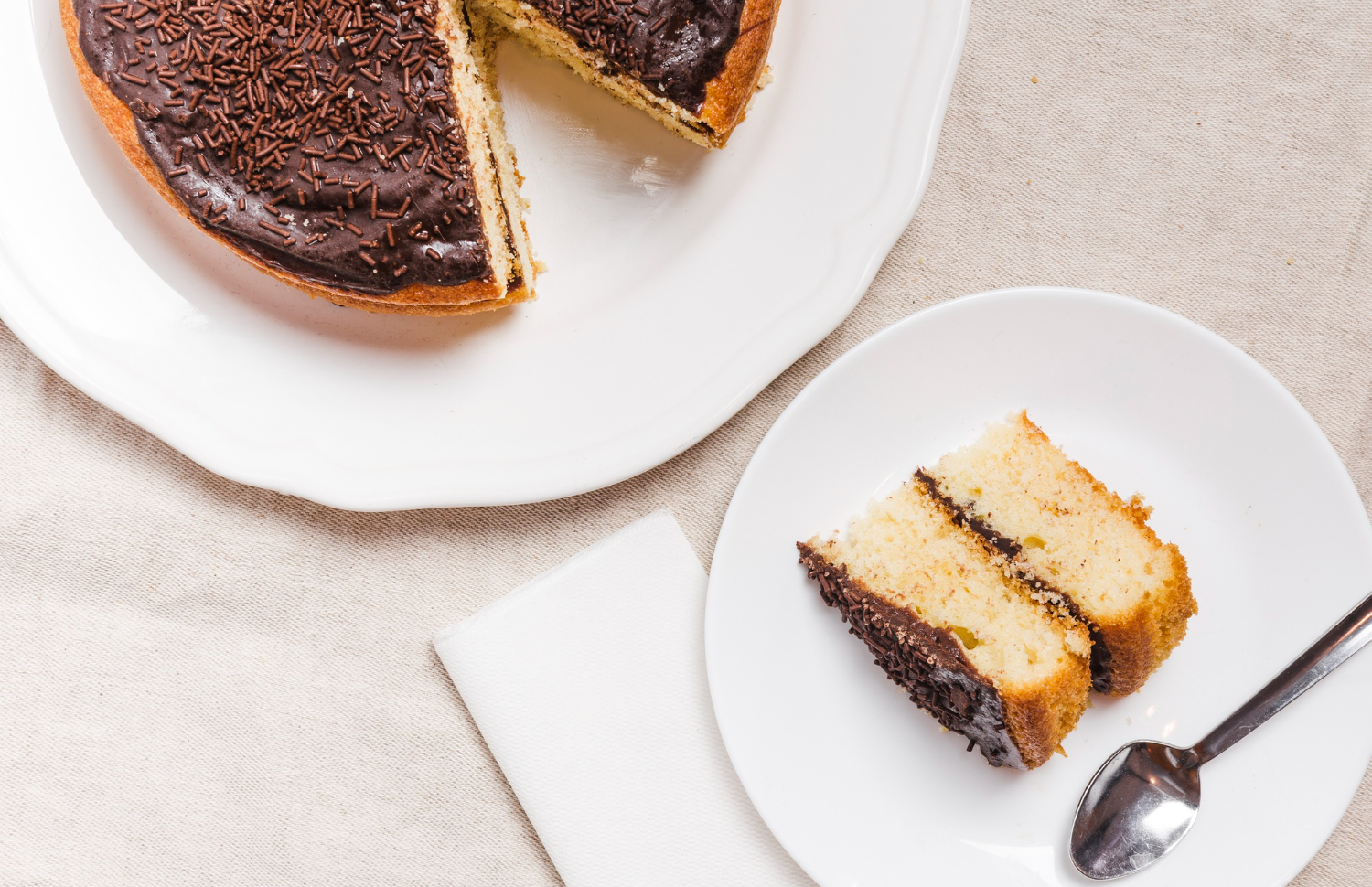
Chocolate is one of the easiest ways to transform a plain vanilla cake into a decadent dessert. Cocoa powder, melted chocolate, chocolate chips and chocolate-based toppings each offer a different way to introduce deeper flavour. If you love chocolate cake but want to save time, you can adapt a basic cake recipe rather than preparing an entirely new batter.
Unsweetened cocoa powder gives the cake a rich chocolate flavour without making it excessively sweet. Melted dark chocolate adds extra richness, while chocolate chips create little pockets of chocolate throughout the cake. For an even more indulgent result, finish the cake with chocolate ganache or a smooth chocolate buttercream.
Recipe: Easy Chocolate-Infused Vanilla Cake
Preparation time: 15 minutes
Baking time: 30 to 40 minutes
Serves: 8 to 10
Ingredients
- 250 g plain flour
- 200 g sugar
- 125 g softened butter
- 3 large eggs
- 125 ml milk
- 2 teaspoons baking powder
- 40 g unsweetened cocoa powder
- 1 teaspoon vanilla extract
- 100 g chocolate chips, optional
- A pinch of salt
For the Chocolate Ganache
- 150 g dark or milk chocolate, chopped
- 150 ml fresh cream
Method
- Preheat the oven to 180°C. Grease and line a 20 cm round cake tin with baking paper.
- In a mixing bowl, cream the butter and sugar together until light and fluffy.
- Add the eggs one at a time, beating well after each addition. Stir in the vanilla extract.
- Sift the flour, cocoa powder, baking powder and salt into a separate bowl.
- Add the dry ingredients to the butter mixture in batches, alternating with the milk. Mix gently until the batter is smooth, taking care not to overmix.
- Fold in the chocolate chips if using.
- Pour the batter into the prepared cake tin and smooth the surface.
- Bake for 30 to 40 minutes, or until a skewer inserted into the centre comes out clean or with a few moist crumbs.
- Allow the cake to cool in the tin for 10 minutes before turning it out onto a wire rack.
- To prepare the ganache, heat the cream in a small saucepan until steaming but not boiling. Pour it over the chopped chocolate and leave for two minutes.
- Stir gently until the chocolate has melted and the mixture is smooth. Allow it to cool until thick enough to spread or drizzle.
- Pour the ganache over the cooled cake and leave it to set before slicing.
Tips for the Best Chocolate Cake
Use good-quality cocoa powder for a deeper chocolate flavour. If you prefer a darker, less sweet cake, choose dark chocolate for the ganache. For extra moisture, replace 30 ml of the milk with cooled coffee, which enhances the chocolate flavour without making the cake taste strongly of coffee.
Avoid adding too much cocoa powder to an existing vanilla cake recipe without adjusting the other ingredients, as cocoa absorbs moisture and can make the cake dry. If you are adapting a ready-made cake mix, follow the packet instructions and use a tested chocolate variation where possible.
2. Add Fresh Fruit and Citrus for a Bright, Fruity Flavour
Fruit is a wonderful way to make a basic cake taste fresher and more vibrant. Lemon, orange, berries, apples, pears and bananas can all introduce natural sweetness, acidity and fragrance. These ingredients also pair beautifully with vanilla, cream cheese frosting and light glazes.
Citrus zest is especially useful because it delivers concentrated flavour without adding much liquid to the batter. Fresh lemon juice can brighten the taste, while orange zest creates a sweeter, more aromatic result. Berries provide bursts of fruity flavour, although juicy fruit should be measured carefully to prevent the cake from becoming too wet.
Recipe: Lemon and Berry Cake
Preparation time: 20 minutes
Baking time: 35 to 45 minutes
Serves: 8 to 10
Ingredients
- 250 g plain flour
- 180 g sugar
- 125 g softened butter
- 3 large eggs
- 125 ml milk
- 2 teaspoons baking powder
- Finely grated zest of 2 lemons
- 30 ml fresh lemon juice
- 1 teaspoon vanilla extract
- 150 g fresh or frozen blueberries
- 1 tablespoon flour, for coating the berries
For the Lemon Glaze
- 120 g icing sugar
- 15 to 25 ml fresh lemon juice
Method
- Preheat the oven to 180°C. Grease and line a 20 cm round cake tin.
- Cream the butter and sugar together until pale and fluffy.
- Beat in the eggs one at a time, followed by the lemon zest, lemon juice and vanilla extract.
- Sift the flour and baking powder into a separate bowl.
- Add the dry ingredients to the butter mixture in batches, alternating with the milk. Mix until just combined.
- Toss the blueberries with the tablespoon of flour. This helps distribute them through the batter, although some berries may still sink.
- Gently fold the berries into the cake batter.
- Spoon the batter into the prepared tin and level the surface.
- Bake for 35 to 45 minutes, checking towards the end of the baking time. The cake is ready when a skewer inserted into the centre comes out clean or with a few moist crumbs.
- Leave the cake in the tin for 10 minutes, then turn it out onto a wire rack to cool completely.
- To make the glaze, mix the icing sugar with enough lemon juice to create a thick but pourable consistency.
- Drizzle the glaze over the cooled cake and allow it to set before serving.
Other Fruit Flavour Combinations to Try
- Orange and almond: Add orange zest and replace 30 g of the flour with finely ground almonds.
- Apple and cinnamon: Fold in 150 g of peeled, finely diced apple with 1 teaspoon of ground cinnamon.
- Banana and caramel: Mash one ripe banana into the batter and finish the cooled cake with caramel sauce.
- Strawberry and vanilla: Serve the cake with fresh sliced strawberries and lightly sweetened whipped cream.
- Lemon and coconut: Add lemon zest and 40 g of desiccated coconut for a tropical twist.
When adding fruit, avoid overloading the batter with wet ingredients. If using frozen berries, add them directly from the freezer rather than thawing them first. For a fresh fruit topping, add it shortly before serving to maintain its colour and texture.
3. Use Spices to Create a Warm, Comforting Cake
Spices can completely change the character of a basic cake without requiring a different baking method. Cinnamon, ginger, nutmeg, cardamom and mixed spice add warmth and fragrance, making them especially appealing for autumn and winter baking. They also pair well with ingredients such as apples, carrots, pears, nuts and brown sugar.
A little spice can create a noticeable difference, so start with modest quantities and adjust to your preference. Cinnamon is familiar and gently sweet, while ginger provides a more pronounced warmth. Nutmeg adds depth, and cardamom gives the cake a fragrant, slightly floral quality.
Recipe: Cinnamon and Brown Sugar Cake
Preparation time: 15 minutes
Baking time: 30 to 40 minutes
Serves: 8 to 10
Ingredients
- 250 g plain flour
- 180 g brown sugar
- 125 g softened butter
- 3 large eggs
- 125 ml milk
- 2 teaspoons baking powder
- 2 teaspoons ground cinnamon
- ¼ teaspoon ground nutmeg
- 1 teaspoon vanilla extract
- A pinch of salt
- 60 g chopped walnuts or pecans, optional
For the Cinnamon Topping
- 30 g melted butter
- 25 g brown sugar
- ½ teaspoon ground cinnamon
Method
- Preheat the oven to 180°C. Grease and line a 20 cm round cake tin.
- Cream the butter and brown sugar together until light and fluffy.
- Beat in the eggs one at a time, then add the vanilla extract.
- In another bowl, sift together the flour, baking powder, cinnamon, nutmeg and salt.
- Add the dry ingredients to the butter mixture, alternating with the milk. Mix gently until combined.
- Fold in the chopped nuts if using.
- Pour the batter into the prepared cake tin and smooth the top.
- Bake for 30 to 40 minutes, or until a skewer inserted into the centre comes out clean or with a few moist crumbs.
- Leave the cake to cool in the tin for 10 minutes before transferring it to a wire rack.
- Mix the melted butter, brown sugar and cinnamon for the topping.
- Brush the mixture lightly over the warm cake, or drizzle it over the cooled cake for a sweeter finish.
- Allow the topping to settle before slicing and serving.
How to Balance Spices in Cake
For a subtle flavour, use one teaspoon of cinnamon in a standard cake recipe. For a more pronounced spiced cake, increase it to two teaspoons and add a small pinch of nutmeg or ginger. Avoid adding too many strong spices at once, as they can overpower the buttery flavour of the cake.
Brown sugar works particularly well with spices because its molasses notes create a deeper, more caramel-like sweetness. Chopped nuts can also improve the texture by adding crunch to an otherwise soft cake. Serve a slice slightly warm with custard, whipped cream or a scoop of vanilla ice cream for a comforting dessert.
4. Transform a Basic Cake with Creamy Fillings and Frostings
Sometimes the easiest way to make a basic cake taste completely different is to change what goes between the layers or over the top. A simple vanilla sponge can become a celebration cake with buttercream, cream cheese frosting, chocolate ganache, whipped cream or a rich caramel filling. These additions introduce new textures as well as flavour, making the finished cake feel more elaborate.
If you have a single-layer cake, you can spread frosting over the top and sides. For a layered cake, slice the cooled cake horizontally and add a filling between the layers. Always allow the cake to cool completely before decorating, as warm cake can melt buttercream and cause cream-based fillings to soften.
Recipe: Vanilla Cake with Cream Cheese Frosting
Preparation time: 20 minutes
Baking time: 30 to 40 minutes
Cooling and decorating time: 45 to 60 minutes
Serves: 8 to 10
Ingredients for the Cake
- 250 g plain flour
- 180 g sugar
- 125 g softened butter
- 3 large eggs
- 125 ml milk
- 2 teaspoons baking powder
- 2 teaspoons vanilla extract
- A pinch of salt
Ingredients for the Cream Cheese Frosting
- 250 g full-fat cream cheese, softened but still cool
- 100 g softened butter
- 250 g icing sugar, sifted
- 1 teaspoon vanilla extract
- Finely grated lemon zest, optional
Method
- Preheat the oven to 180°C. Grease and line a 20 cm round cake tin.
- Cream the butter and sugar until pale and fluffy.
- Beat in the eggs one at a time, followed by the vanilla extract.
- Sift the flour, baking powder and salt into a separate bowl.
- Add the dry ingredients to the butter mixture, alternating with the milk. Mix gently until the batter is smooth.
- Pour the batter into the prepared tin and bake for 30 to 40 minutes, or until a skewer inserted into the centre comes out clean or with a few moist crumbs.
- Leave the cake to cool for 10 minutes in the tin, then turn it out onto a wire rack and allow it to cool completely.
- To make the frosting, beat the softened butter until smooth and creamy.
- Add the sifted icing sugar gradually, beating until well combined.
- Add the cream cheese and vanilla extract, then beat briefly until smooth. Avoid overbeating, as cream cheese frosting can become too soft.
- Add lemon zest if you prefer a slightly tangy finish.
- Spread the frosting over the cooled cake. If making a layered cake, divide the frosting between the layers and the top, using a little on the sides if desired.
- Refrigerate the decorated cake until the frosting is firm, then bring it out shortly before serving.
More Filling and Frosting Ideas
Salted caramel: Drizzle caramel sauce between cake layers and sprinkle a small pinch of salt over the filling. This creates a sweet and salty combination that works particularly well with vanilla or chocolate cake.
Chocolate ganache: Use a mixture of chocolate and cream for a smooth, rich topping. Let it cool until spreadable before applying it to the cake.
Strawberry cream: Spread a thin layer of strawberry jam over the cake, then add whipped cream. Keep cream-filled cakes refrigerated and assemble them close to serving time.
Peanut butter frosting: Beat smooth peanut butter with softened butter and icing sugar, adding a little milk if needed. This is especially delicious with chocolate cake.
Lemon buttercream: Beat softened butter with icing sugar, lemon zest and a little lemon juice for a bright, tangy frosting.
For a neat finish, apply a thin crumb coat of frosting first and refrigerate the cake for 15 to 20 minutes before adding the final layer. Keep cakes with cream cheese frosting or fresh cream fillings refrigerated, and follow safe storage guidance for perishable ingredients.
5. Add Crunch and Texture with Nuts, Coconut and Toppings
Texture can make a basic cake feel like a completely new dessert, even when the underlying sponge remains unchanged. Toasted nuts, desiccated coconut, biscuit crumbs, seeds and crunchy sugar toppings introduce contrast to a soft, tender cake. These additions can be mixed into the batter, sprinkled over the frosting or used to create a decorative crust.
Toasted nuts offer a deeper flavour than raw nuts because the heat brings out their natural oils and aroma. Coconut adds a mild sweetness, while crushed biscuits create a delicious topping that works especially well with chocolate or caramel cakes. For a bakery-style finish, combine a creamy frosting with toasted nuts or crunchy crumbs.
Recipe: Coconut and Almond Crunch Cake
Preparation time: 20 minutes
Baking time: 30 to 40 minutes
Serves: 8 to 10
Ingredients
- 250 g plain flour
- 180 g sugar
- 125 g softened butter
- 3 large eggs
- 125 ml milk
- 2 teaspoons baking powder
- 1 teaspoon vanilla extract
- 60 g desiccated coconut
- 60 g flaked almonds
- A pinch of salt
For the Crunchy Topping
- 30 g butter
- 30 g brown sugar
- 30 g desiccated coconut
- 30 g flaked almonds
Method
- Preheat the oven to 180°C. Grease and line a 20 cm round cake tin.
- Cream the butter and sugar together until light and fluffy.
- Beat in the eggs one at a time, followed by the vanilla extract.
- Sift the flour, baking powder and salt into a separate bowl.
- Add the dry ingredients to the butter mixture, alternating with the milk.
- Fold in the desiccated coconut and flaked almonds until evenly distributed.
- Spoon the batter into the prepared tin and level the surface.
- To prepare the topping, rub the butter into the brown sugar, coconut and almonds until the mixture forms coarse crumbs.
- Sprinkle the topping evenly over the cake batter.
- Bake for 30 to 40 minutes, checking towards the end of the cooking time. If the topping begins to brown too quickly, loosely cover the cake with foil.
- Test the centre with a skewer. It should come out clean or with a few moist crumbs.
- Leave the cake to cool in the tin for 10 to 15 minutes before transferring it carefully to a wire rack.
Creative Ways to Add More Texture
- Chocolate biscuit crumbs: Sprinkle crushed chocolate biscuits over chocolate frosting for a crunchy finish.
- Toasted coconut: Toast coconut in a dry frying pan over low heat, stirring frequently until golden, then scatter it over the cake.
- Chopped pecans or walnuts: Fold chopped nuts into the batter or sprinkle them over caramel frosting.
- Crumb topping: Combine flour, butter and sugar to create a simple crumble topping before baking.
- Caramelised nuts: Toss toasted nuts with a little caramel and allow them to cool before breaking them into small pieces.
- Sprinkles and grated chocolate: Use these for a colourful finish on birthday cakes or simple celebration bakes.
Be mindful of adding too many dry ingredients to the batter, as large quantities of nuts or coconut can make the cake heavier. Start with small additions and distribute them evenly. If you are serving guests, label cakes that contain nuts because they are a common allergen.
Essential Tips for Making a Basic Cake Taste Better
Changing the flavour of a cake is easier when the basic sponge is well made. These practical tips will help you achieve a tender crumb, balanced sweetness and a flavourful finish.
Use Fresh, Good-Quality Ingredients
Fresh eggs, good-quality butter and pure vanilla extract contribute significantly to the taste of homemade cake. Check that your baking powder is still within its best-before date, as old raising agents can affect the cake’s rise and texture.
Measure Ingredients Accurately
Baking depends on the balance between flour, fat, sugar, eggs and liquid. Use a kitchen scale for the most consistent results, especially when experimenting with new flavour combinations. Adding too much flour can make a cake dry, while excessive liquid can leave the centre dense or underbaked.
Avoid Overmixing the Batter
Once the flour has been added, mix only until the ingredients are combined. Overmixing can develop too much gluten, producing a tougher cake rather than a soft, tender crumb. Fold fruit, chocolate chips and nuts in gently at the end.
Enhance Flavour Without Overloading the Batter
Start with modest quantities of extracts, zest, spices and other flavourings. Too much liquid flavouring can affect the batter’s consistency, while too many heavy additions may interfere with the cake’s rise. If you are making significant changes to a recipe, use a tested variation rather than adjusting several ingredients at once.
Store the Cake Properly
Allow the cake to cool completely before wrapping or placing it in an airtight container. Plain cakes can generally be stored at room temperature for two to three days in a cool environment, depending on the ingredients and conditions. Cakes with cream cheese frosting, whipped cream or other perishable fillings should be refrigerated. Bring suitable cakes to room temperature before serving for the best flavour and texture.
How to Choose the Best Cake Flavour Combination
The best flavour combination depends on the occasion, the ingredients available and the kind of dessert you want to serve. Chocolate and caramel are ideal for rich, indulgent treats, while lemon and berries create a fresher option. Cinnamon, brown sugar and nuts provide warmth, making them especially suitable for cooler days or afternoon tea.
For a birthday or celebration, consider a layered cake with buttercream or cream cheese frosting. If you want a simple everyday dessert, a fruit glaze or crunchy coconut topping can transform a plain sponge without requiring elaborate decoration. You can also combine ideas from different sections, such as a chocolate cake with toasted almonds or a lemon cake finished with cream cheese frosting.
The most important thing is to balance flavours and textures. Sweet ingredients often benefit from a little acidity, rich chocolate pairs well with coffee or nuts, and warm spices complement apples, pears and brown sugar. Experimenting with small changes is an enjoyable way to discover new favourites while making the most of a reliable basic cake recipe.
A basic cake can become an entirely different dessert with just a few thoughtful additions, making everyday baking more creative and exciting. Chocolate, fruit, spices, creamy fillings and crunchy toppings each offer a simple way to change the flavour and texture without mastering a completely new recipe. By choosing ingredients that complement one another, you can create cakes suited to birthdays, family gatherings, afternoon tea or relaxed weekend treats. The full recipes in this guide provide practical starting points that you can adapt to suit your preferences and the ingredients in your kitchen. Careful measuring, gentle mixing and proper baking times will help ensure that every variation remains soft, moist and delicious. You can also save time by preparing simple glazes, frostings and toppings in advance, allowing you to turn an ordinary sponge into an impressive dessert whenever you need one. Try these five ways to make a basic cake taste completely different and discover how a familiar homemade favourite can offer endless possibilities.