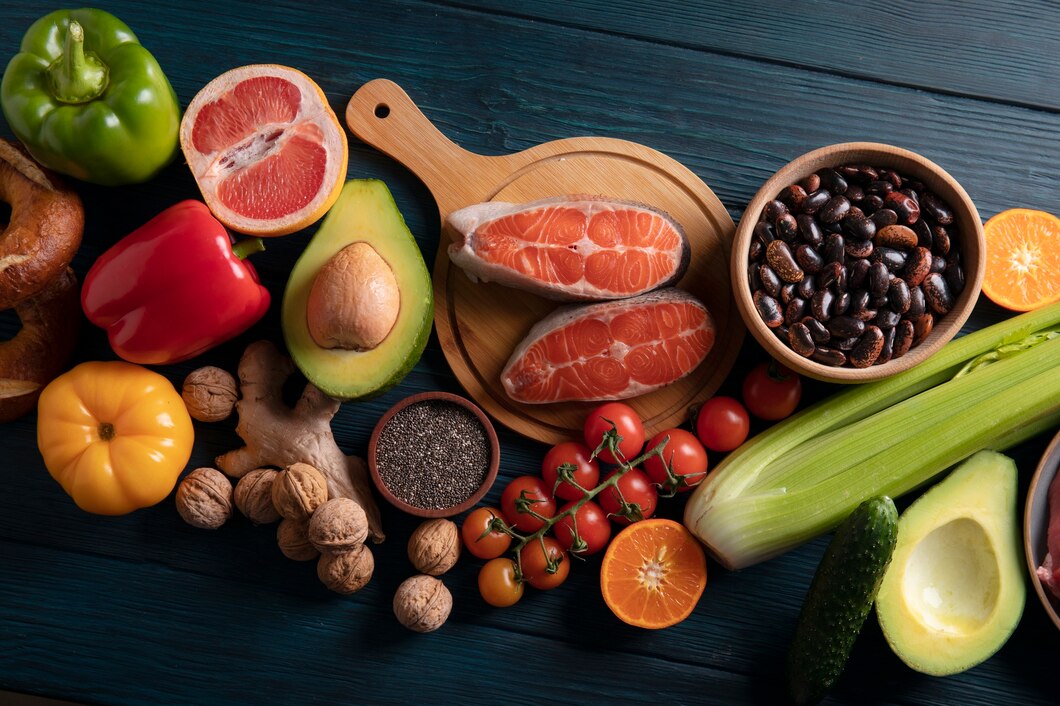
Iron is an essential mineral that plays a critical role in the production of hemoglobin, which helps carry oxygen through the blood to various parts of the body. A deficiency in iron can lead to anemia, fatigue, and weakened immunity. Fortunately, many iron-rich foods can help boost iron levels and overall health. Here are 20 foods that South Africans should consider if they want to increase their iron intake.
1. Beef (Lean Cuts)
Red meat, particularly lean cuts of beef, is one of the best sources of heme iron, which is easily absorbed by the body. Adding beef to your diet can significantly boost your iron levels and help prevent anemia.
2. Chicken Liver
Liver, especially chicken liver, is incredibly rich in iron. Just a small portion can provide a substantial amount of your daily iron requirement. Liver also contains other important nutrients like vitamin B12, which supports healthy red blood cells.
3. Spinach
Spinach is a non-heme iron source and is packed with vitamins like vitamin C, which helps improve iron absorption. Whether eaten raw in salads or cooked, spinach is an excellent addition to an iron-rich diet.
4. Oysters
Oysters and other shellfish are rich in heme iron and zinc. A serving of oysters can offer a significant boost to your iron intake, alongside being a tasty treat for seafood lovers.
5. Lentils
Lentils are a great plant-based source of iron, making them ideal for vegetarians and vegans. They are also high in fiber, which supports digestion, and provide protein, making them a nutritious choice for many diets.
6. Pumpkin Seeds
Pumpkin seeds are a powerful snack that is high in iron, magnesium, and healthy fats. They’re easy to incorporate into your diet by sprinkling them on salads, yogurts, or simply eating them as a snack.
7. Kidney Beans
Kidney beans are packed with non-heme iron and protein, making them a great addition to stews, curries, and salads. Pairing them with a source of vitamin C can help improve iron absorption.
8. Quinoa
Quinoa is a nutrient-dense grain that provides both iron and protein. It’s also gluten-free, making it a great option for people with gluten sensitivities or those looking for a nutritious, versatile grain.
9. Tofu
Tofu is rich in non-heme iron and is an excellent source of protein, especially for those following a vegetarian or vegan diet. It’s also versatile and can be cooked in various ways, from stir-frying to grilling.
10. Dark Chocolate
Dark chocolate, particularly varieties with at least 70% cocoa, is surprisingly high in iron. It’s a delicious way to increase your iron intake while also enjoying the benefits of antioxidants.
11. Chickpeas
Chickpeas, or garbanzo beans, are another iron-rich legume that can be used in salads, stews, or hummus. They are packed with fiber and protein, making them a healthy and filling option for increasing iron intake.
12. Fortified Cereals
Many breakfast cereals in South Africa are fortified with iron, making them an easy and convenient way to increase your iron intake. Check the labels for iron content and opt for low-sugar varieties for a healthier option.
13. Broccoli
Broccoli is not only high in iron but also rich in vitamin C, which aids in the absorption of non-heme iron. This makes it a doubly beneficial vegetable to include in your meals for boosting iron levels.
14. Eggs
Egg yolks contain a small but significant amount of iron, making eggs a valuable food for those looking to boost their intake. Eggs are also rich in protein and other vital nutrients.
15. Turkey
Turkey, especially dark meat, is another excellent source of heme iron. It’s also a lean source of protein, making it ideal for a healthy diet aimed at increasing iron levels.
16. Cashews
Cashews are one of the few nuts that are high in iron. They’re also rich in healthy fats, protein, and magnesium, making them a great snack or addition to salads and stir-fries.
17. Beetroot
Beetroot is a root vegetable known for its blood-boosting properties due to its high iron content. Beetroot can be eaten raw in salads, juiced, or cooked as part of a warm meal, offering a variety of ways to incorporate it into your diet.
18. Swiss Chard
Swiss chard is another leafy green that is high in iron. It’s also rich in antioxidants and can be easily sautéed or added to soups and stews, making it a delicious and nutritious option.
19. Sardines
Canned sardines are a great source of heme iron and omega-3 fatty acids. They are convenient, affordable, and can be eaten on their own or added to salads and pasta dishes for a protein and iron boost.
20. Dried Apricots
Dried apricots are a sweet and nutritious snack that is high in non-heme iron. They’re also rich in fiber and antioxidants, making them a great snack for people looking to increase their iron intake while satisfying their sweet tooth.
Increasing your iron intake is essential for maintaining energy levels, promoting red blood cell production, and preventing iron-deficiency anemia. Whether you choose heme iron from animal sources or non-heme iron from plant-based options, adding these foods to your diet can help ensure you meet your iron needs. Remember, pairing non-heme iron foods with vitamin C-rich foods like citrus fruits or bell peppers can enhance absorption, maximizing the benefits for your health. Always consult a healthcare professional if you have concerns about iron deficiency or your overall nutrition.