If you’re ready to change the way you eat or simply want to add more nutritious foods to your meals, clean eating is a smart place to start. This guide walks you through the foundational clean-eating food groups to help stock your kitchen with ingredients that support better health without sacrificing flavor or variety.
What Is Clean Eating?
Clean eating focuses on choosing whole, minimally processed foods with short, recognizable ingredient lists. It encourages the consumption of nutrient-dense ingredients while limiting added sugars, unhealthy fats, preservatives and refined grains. It’s not a strict diet but a flexible and sustainable way of eating that helps support long-term wellness.
Whether you’re meal planning or grocery shopping, here’s a detailed list of clean foods to guide your journey.
Fruits
Fresh fruit is a powerhouse of fiber, antioxidants, vitamins and natural sweetness. Despite concerns about sugar content, the naturally occurring sugars in fruit are not harmful when consumed as part of a balanced diet. Always read labels when buying dried, canned or frozen fruit—choose options without added sugars or syrups.
Clean fruit options include fresh fruit like apples, oranges and berries, frozen fruit without added sugar, canned fruit packed in 100% juice or water, and dried fruit without added sugar. You can also include 100% fruit juice in moderation, though whole fruit is a better option because it contains fiber.
Vegetables
Vegetables are essential in any clean eating plan. They’re rich in fiber, low in calories, and packed with vitamins and minerals. Whether fresh, frozen or canned, they provide variety and versatility for meals and snacks. Just avoid versions with added sauces, salt or preservatives.
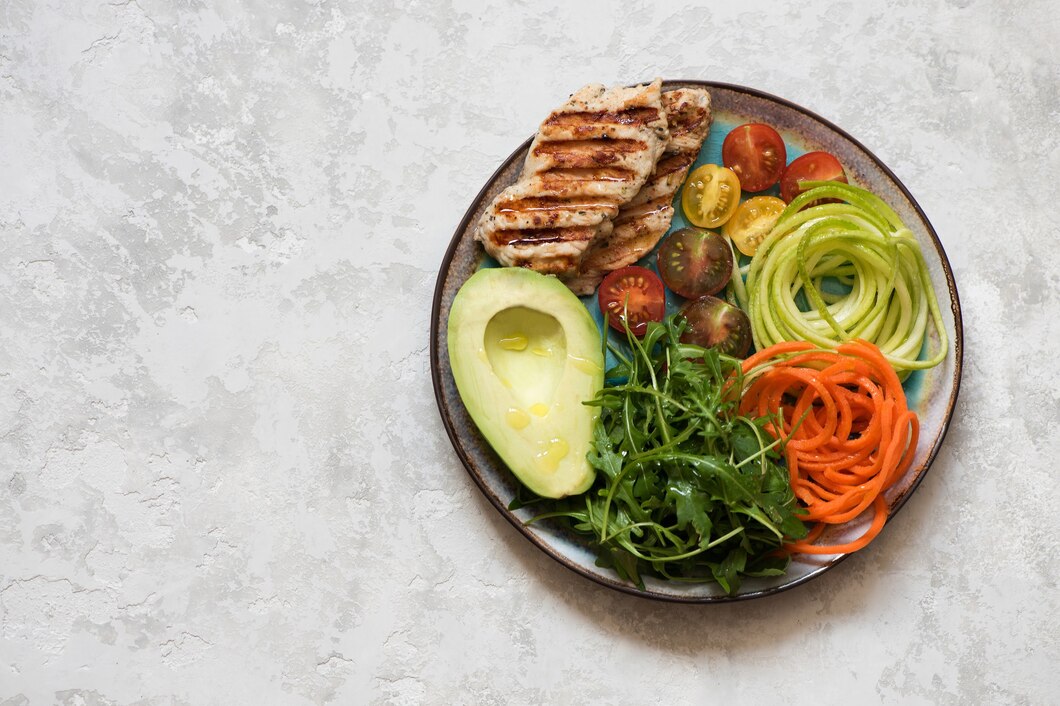
Clean vegetables include all fresh varieties, frozen vegetables without sauces or salt, and canned options that are low in sodium and free from additives. Precut or spiralized vegetables are also convenient clean choices.
Whole Grains
Whole grains are complex carbohydrates that deliver fiber, protein and essential nutrients. They include brown rice, oats, quinoa, barley, farro and millet. These grains are unprocessed and typically contain just one ingredient.
You can also find clean versions of whole-grain products such as whole-wheat pasta, sprouted grain bread, and air-popped popcorn. Be sure to check ingredient lists to ensure they don’t include added sugars or refined flour.
Dairy
Dairy can be part of a clean-eating lifestyle when you choose plain, unsweetened and minimally processed options. Avoid flavored yogurts or low-fat varieties with added sugars or stabilizers.
Clean dairy options include plain Greek or regular yogurt, whole or low-fat milk without added ingredients, block cheese, and unsweetened plant-based milks like almond, soy or oat milk. These options are versatile for snacking or cooking in healthier comfort food recipes.
Protein
Protein is essential for building and repairing tissues and maintaining muscle mass. Clean proteins are those that are minimally processed, free of additives, and often come from sustainable sources.
Clean protein sources include single-ingredient meats such as chicken breast and lean beef, fresh or frozen seafood like wild salmon or Pacific cod, whole eggs, beans (dried or canned with no added salt), unsalted nuts and seeds, and natural nut butters with no added sugar.
Desserts
Clean eating doesn’t mean giving up dessert. Instead, it encourages making treats with natural ingredients and less sugar. Most packaged desserts are made with refined flour and added sugars, but there are healthier alternatives.
You can make clean desserts at home using fruit, oats, natural sweeteners like honey or dates, and whole-grain flours. Fresh fruit with yogurt or homemade energy bites are great ways to enjoy something sweet without compromising your clean-eating goals.
Drinks
Beverages can be a hidden source of sugar and additives, so it’s important to be selective. Clean drink choices include water, herbal teas, black coffee and sparkling water with a splash of 100% juice.
Smoothies made with whole fruit, plain yogurt and nut butter can also be a clean option. If you choose to consume alcohol, opt for wine or beer in moderation and avoid sugary mixers when making cocktails.
Clean eating is about choosing real, whole foods and avoiding overly processed products. Every food group can fit into a clean-eating lifestyle—fruits, vegetables, whole grains, proteins and dairy all have a place at the table. With a little planning and the right ingredients, clean eating can be easy, delicious and sustainable.
Use this clean-eating foods list to refresh your pantry and fridge, and check out our simple, budget-friendly clean-eating recipes to help you get started.