
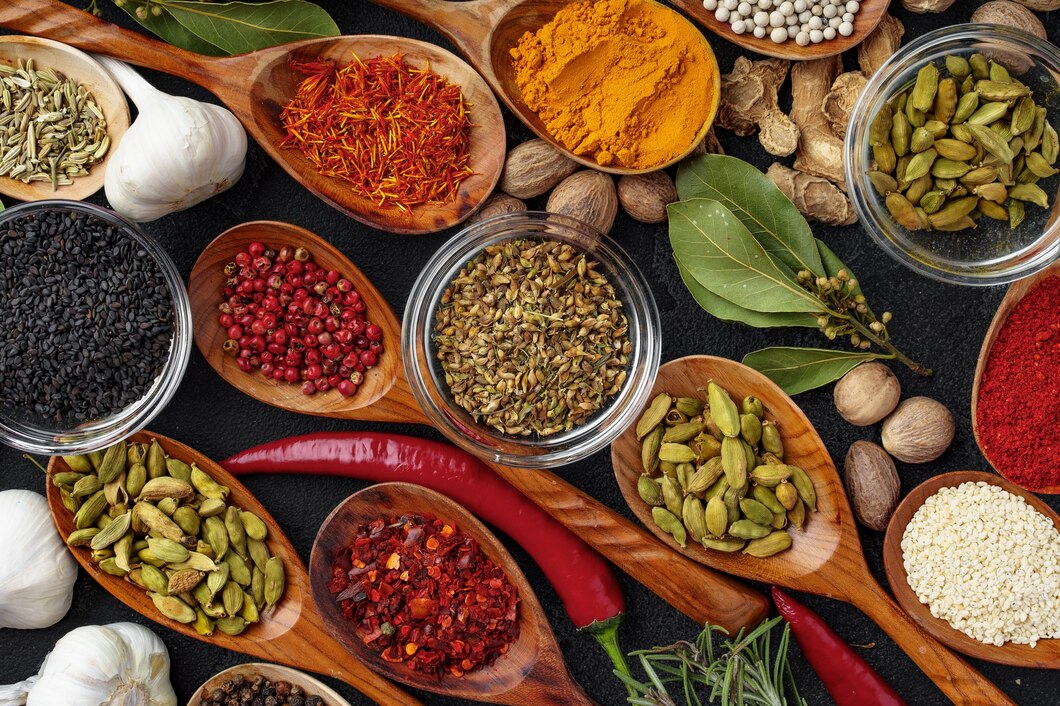
For centuries, cultures around the world have turned to herbs and spices not just to elevate the flavor of their food, but also to harness their healing properties. Modern science is catching up, confirming that these natural ingredients can play a powerful role in promoting wellness. From fighting inflammation to improving heart health, here are 14 of the healthiest herbs and spices you should be including in your meals.
Black Peppercorns
Rich in the compound piperine, black peppercorns may help reduce the risk of certain cancers by promoting apoptosis, the process that eliminates potentially harmful cells. Though most studies are in labs, the early results are promising.
Cardamom
Popular in Middle Eastern and Indian cuisines, cardamom contains antioxidants that may help reduce blood pressure. Some research also suggests it could support blood sugar control and ease gastrointestinal discomfort.
Cayenne Pepper
Cayenne’s fiery kick comes from capsaicin, a compound that has been linked to increased fat metabolism and reduced mortality from heart disease. It may also aid blood clotting and support overall heart health.
Cinnamon
Cinnamon can help reduce sugar cravings and may improve insulin sensitivity, blood glucose levels, and even blood pressure. Studies show that just under a teaspoon daily may yield health benefits over time.
Cloves
Cloves contain eugenol, a powerful antioxidant that may reduce pain and inflammation. They’ve been used traditionally for pain relief and may help combat oxidative stress in the body.
Coriander
Derived from the seeds of the cilantro plant, coriander contains compounds that may protect the brain from degenerative diseases such as Alzheimer’s. More human studies are needed, but its potential is noteworthy.
Garlic
A staple in many kitchens, garlic may help lower blood pressure and support immune health. Some studies have even found garlic supplements to be nearly as effective as prescription medications for hypertension.
Ginger
Long known to ease nausea and digestive issues, ginger also has anti-inflammatory properties. It contains compounds that may reduce arthritis pain, soothe migraines, and alleviate menstrual discomfort.
Oregano
Oregano is high in antioxidants like carvacrol and thymol, which may help combat bacteria, reduce inflammation, and even protect against certain infections. These compounds support immune health and may contribute to disease prevention.
Paprika
This spice contains capsaicin and offers more than just vibrant color. It’s known to have anti-inflammatory and pain-relieving effects and is used in topical treatments to manage chronic pain.
Peppermint
A natural mood booster, peppermint has been shown to improve focus and ease nausea. Peppermint oil is also widely used to relieve symptoms of irritable bowel syndrome by relaxing the muscles in the digestive tract.
Rosemary
Rosemary’s fragrant scent can boost alertness and mood. Some studies suggest it may also support memory and cognitive function, making it especially useful during long work hours or shift work.
Turmeric
Famous for its golden hue, turmeric contains curcumin, a compound with powerful anti-inflammatory and antioxidant properties. While curcumin isn’t easily absorbed by the body, pairing it with black pepper can enhance its benefits. It may help manage conditions like arthritis, diabetes, and metabolic syndrome.
Za’atar
A flavorful Middle Eastern spice blend made with oregano, thyme, sumac, and sesame seeds, za’atar offers a rich source of polyphenols. These may improve gut health, reduce inflammation, and support liver function.
Even in small amounts, herbs and spices can deliver a concentrated dose of health-promoting antioxidants. While more research is needed to fully understand their impact, adding a variety of these flavorful ingredients to your meals is a simple and delicious way to support your overall wellness.