Legumes are an affordable and versatile way to add more plant-based protein, fibre, vitamins and minerals to everyday meals. Beans, lentils, chickpeas, peas and other pulses can turn a simple dish into something more filling without requiring complicated cooking techniques. They work across breakfast, lunch and dinner, fitting easily into soups, salads, curries, stews, wraps and even savoury snacks. Canned legumes make preparation especially convenient because they can be rinsed and added directly to a meal. Dried legumes are also worth keeping in the pantry because they are economical and can be cooked in larger batches for future meals. If you are trying to eat more legumes, small changes can make the habit feel effortless rather than restrictive. These simple ideas and recipes will show you how to add more legumes to your meals while keeping your food varied, flavourful and satisfying.
Why Add More Legumes to Your Diet?
Legumes include beans, lentils, chickpeas, peas and several other edible seeds from the legume family. They are naturally rich in dietary fibre and provide plant-based protein, making them useful ingredients for balanced meals.
Fibre can help support normal digestion and contributes to feelings of fullness after eating. Legumes also provide nutrients such as folate, iron, magnesium and potassium.
Another advantage is their versatility. Chickpeas can be roasted for a crunchy snack, blended into hummus or added to salads. Lentils can form the base of a hearty curry, soup or mince-style filling.
Beans can be added to stews, pasta dishes, rice bowls and wraps. This makes it easy to increase your intake gradually without completely changing the meals you already enjoy.
Start With Breakfast
Legumes do not have to be reserved for dinner. Adding beans, chickpeas or lentils to breakfast can create a more substantial meal.
Baked beans are an easy option for toast, eggs or breakfast potatoes. You can also add beans to scrambled eggs, savoury oats or breakfast wraps.
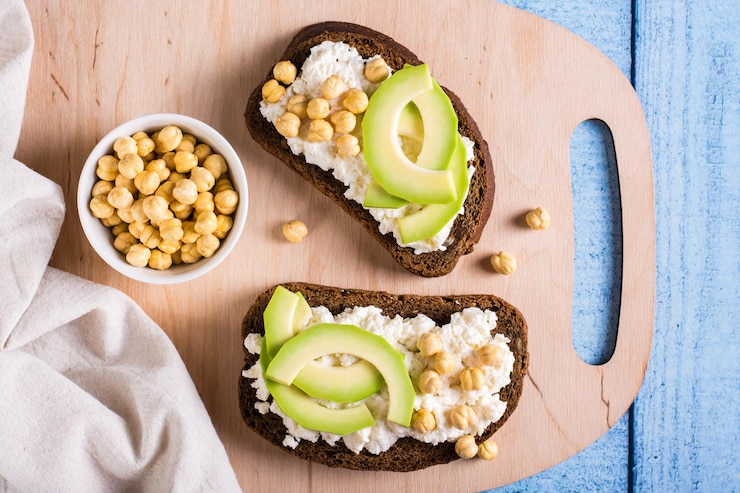
Chickpeas can be mashed with avocado and lemon for a savoury toast topping. Lentils can also be mixed into vegetable fritters or savoury breakfast muffins.
Starting with one familiar breakfast is often easier than trying to change your entire eating routine at once.
Creamy Chickpea and Avocado Breakfast Toast
This simple breakfast combines mashed chickpeas with creamy avocado and fresh lemon. It is quick enough for a weekday morning and works well on wholegrain bread.
Ingredients
Serves 2.
- 1 x 400 g can chickpeas, drained and rinsed
- 1 ripe avocado
- 4 slices wholegrain bread
- 15 ml lemon juice
- 1 small clove garlic, finely grated
- 2.5 ml ground cumin
- 2.5 ml smoked paprika
- Salt and black pepper
- 10 g fresh coriander or parsley
- 10 ml olive oil
- Chilli flakes, optional
Method
Toast the bread until golden.
Place the chickpeas in a bowl.
Mash roughly with a fork, leaving some chickpeas whole for texture.
Add the avocado and mash lightly.
Stir in the lemon juice, garlic, cumin and smoked paprika.
Season with salt and black pepper.
Spoon the mixture over the toast.
Drizzle with olive oil.
Finish with fresh herbs and chilli flakes if desired.
Serve immediately.
Add Lentils to Soups and Stews
Lentils are among the easiest legumes to incorporate into everyday cooking because many varieties cook relatively quickly. Red lentils are particularly useful for thick soups and curries because they soften and break down during cooking.
Brown and green lentils tend to retain more of their shape, making them useful in salads, stews and grain bowls.
You can also add cooked lentils to existing soups without changing the recipe significantly. Start with a small amount and increase it as you become more comfortable with the texture.
Hearty Lentil and Vegetable Soup
This comforting soup combines lentils with vegetables, tomatoes and warming spices. It makes a useful lunch and can be stored for several meals.
Ingredients
Serves 6.
- 200 g brown or green lentils
- 1 large onion, diced
- 2 carrots, diced
- 2 celery stalks, diced
- 2 cloves garlic, crushed
- 400 g chopped tomatoes
- 1.2 litres vegetable stock
- 150 g baby spinach
- 15 ml olive oil
- 5 ml ground cumin
- 5 ml smoked paprika
- 2.5 ml dried thyme
- Salt and black pepper
- 15 ml lemon juice
- Fresh parsley, to serve
Method
Rinse the lentils under cold water.
Heat the olive oil in a large saucepan.
Add the onion, carrots and celery.
Cook for 5 to 7 minutes.
Add the garlic, cumin, paprika and thyme.
Cook for 30 seconds.
Add the lentils, chopped tomatoes and vegetable stock.
Bring to a boil.
Reduce the heat and simmer for approximately 25 to 35 minutes, or until the lentils are tender.
Add the spinach.
Cook for another 2 minutes.
Season with salt and black pepper.
Stir in the lemon juice.
Serve with fresh parsley.
Replace Some of the Meat With Lentils
You do not have to eliminate meat to eat more legumes. One of the simplest approaches is to replace part of the meat in a familiar recipe with lentils.
For example, use half lean mince and half cooked lentils in cottage pie, lasagne, pasta sauce or tacos.
This maintains the familiar texture while increasing the amount of plant-based ingredients in the meal.
It can also make a meat-based meal stretch further, which is useful when cooking for a family.
Lentil and Beef Cottage Pie
This recipe combines lean beef mince with lentils and vegetables beneath a layer of creamy mashed potato.
Ingredients
Serves 6.
For the filling:
- 400 g lean beef mince
- 200 g cooked brown lentils
- 1 onion, diced
- 2 carrots, diced
- 2 cloves garlic, crushed
- 150 g frozen peas
- 400 g chopped tomatoes
- 250 ml beef stock
- 15 ml tomato paste
- 5 ml dried mixed herbs
- 10 ml olive oil
- Salt and black pepper
For the topping:
- 800 g potatoes, peeled and chopped
- 50 ml milk
- 30 g butter
- Salt and black pepper
- 50 g grated cheddar, optional
Method
Boil the potatoes in salted water until tender.
Drain and mash with the milk and butter.
Season with salt and pepper.
Set aside.
Preheat the oven to 200°C.
Heat the olive oil in a large saucepan.
Add the onion and carrots.
Cook for approximately 5 minutes.
Add the garlic.
Cook for 30 seconds.
Add the mince.
Cook until browned.
Stir in the tomato paste and herbs.
Add the chopped tomatoes and beef stock.
Simmer for 10 minutes.
Stir in the cooked lentils and peas.
Cook for another 5 minutes.
Season to taste.
Transfer the filling to a baking dish.
Spread the mashed potato over the top.
Sprinkle with cheddar if using.
Bake for 20 to 25 minutes until golden.
Allow to rest for 5 minutes before serving.
Add Chickpeas to Salads
Chickpeas can turn a simple salad into a satisfying meal. They have a mild flavour that works with fresh vegetables, grains, herbs and creamy dressings.
Rinse canned chickpeas thoroughly before using them. If you have time, pat them dry before roasting or frying to improve their texture.
Combine chickpeas with cucumber, tomato, peppers, leafy greens and avocado for a fresh salad. Add cooked grains such as quinoa, couscous or brown rice when you want something more substantial.
Mediterranean Chickpea and Feta Salad
This colourful salad takes only a few minutes to assemble and works well as a light lunch or side dish.
Ingredients
Serves 4.
- 1 x 400 g can chickpeas, drained and rinsed
- 1 cucumber, diced
- 250 g cherry tomatoes, halved
- ½ red onion, thinly sliced
- 1 red pepper, diced
- 100 g feta cheese, crumbled
- 50 g fresh parsley, chopped
- 30 g pitted olives
For the dressing:
- 30 ml olive oil
- 20 ml lemon juice
- 5 ml Dijon mustard
- 1 clove garlic, crushed
- 2.5 ml dried oregano
- Black pepper
Method
Place the chickpeas in a large bowl.
Add the cucumber, tomatoes, onion, pepper, feta, parsley and olives.
Combine the olive oil, lemon juice, Dijon mustard, garlic and oregano in a small bowl.
Whisk until combined.
Pour the dressing over the salad.
Toss gently.
Season with black pepper.
Serve immediately or refrigerate until ready to eat.
Make Chickpeas the Star of a Curry
Chickpeas are excellent in curries because they absorb spices and sauces while maintaining their texture. A tomato-based chickpea curry can be prepared quickly using canned chickpeas.
Add spinach, cauliflower, sweet potato or green beans to increase the vegetable content.
Serve the curry with brown rice, basmati rice or wholegrain flatbreads.
Quick Chickpea and Spinach Curry
This recipe creates a hearty vegetarian dinner using affordable pantry ingredients.
Ingredients
Serves 4.
- 2 x 400 g cans chickpeas, drained and rinsed
- 1 onion, finely chopped
- 2 cloves garlic, crushed
- 10 g fresh ginger, grated
- 400 g chopped tomatoes
- 200 ml light coconut milk
- 150 g baby spinach
- 15 ml vegetable oil
- 10 ml mild curry powder
- 5 ml ground cumin
- 5 ml ground coriander
- 2.5 ml turmeric
- 2.5 ml chilli powder, optional
- Salt and black pepper
- Fresh coriander
- Lemon wedges
Method
Heat the oil in a large saucepan.
Add the onion.
Cook for 5 minutes.
Add the garlic and ginger.
Cook for 1 minute.
Add the curry powder, cumin, coriander, turmeric and chilli powder.
Stir for 30 seconds.
Add the chopped tomatoes.
Simmer for 8 minutes.
Add the chickpeas and coconut milk.
Simmer for another 10 minutes.
Add the spinach.
Cook until wilted.
Season with salt and black pepper.
Garnish with fresh coriander.
Serve with lemon wedges and rice or flatbread.
Turn Beans Into a Quick Wrap Filling
Beans make excellent fillings for wraps and sandwiches because they can be mashed, seasoned and combined with vegetables.
Black beans, red kidney beans, butter beans and cannellini beans can all work.
Mash beans with avocado, tomato, herbs and spices for a simple filling.
You can also combine them with cooked chicken or lean mince if you are not following a vegetarian diet.
Spicy Bean and Avocado Wraps
These wraps are quick to assemble and work well for lunch or a light dinner.
Ingredients
Makes 4 wraps.
- 400 g can black beans, drained and rinsed
- 4 wholegrain wraps
- 1 avocado, diced
- 1 tomato, diced
- ½ red onion, finely sliced
- 100 g sweetcorn
- 100 g shredded lettuce
- 50 g grated cheddar
- 15 ml lime juice
- 5 ml smoked paprika
- 2.5 ml ground cumin
- Salt and black pepper
For the sauce:
- 100 g plain Greek-style yoghurt
- 15 ml lime juice
- 5 ml hot sauce
Method
Place the beans in a bowl.
Add the lime juice, paprika and cumin.
Mash lightly while leaving some beans whole.
Season with salt and pepper.
Warm the wraps.
Add lettuce, beans, avocado, tomato, onion and sweetcorn.
Sprinkle with cheddar.
Mix the yoghurt, lime juice and hot sauce.
Drizzle over the filling.
Roll the wraps tightly.
Serve immediately.
Roast Chickpeas for a Crunchy Snack
Roasted chickpeas are a useful alternative to highly processed snack foods. They become crisp in the oven and can be seasoned in numerous ways.
Ingredients
Serves 4.
- 2 x 400 g cans chickpeas
- 15 ml olive oil
- 5 ml smoked paprika
- 2.5 ml garlic powder
- 2.5 ml ground cumin
- 2.5 ml chilli powder
- Salt
Method
Preheat the oven to 200°C.
Drain and rinse the chickpeas.
Dry thoroughly with a clean kitchen towel.
Remove any loose skins if desired.
Place the chickpeas on a baking tray.
Add the olive oil and spices.
Toss thoroughly.
Spread the chickpeas into a single layer.
Roast for 25 to 35 minutes.
Shake the tray every 10 minutes.
Remove when golden and crisp.
Allow to cool before serving.
Add Beans to Your Favourite Pasta
Beans can add body and protein to pasta dishes without requiring much additional preparation. Cannellini beans work particularly well with tomato sauces, while chickpeas pair nicely with roasted vegetables.
You can also blend white beans into a tomato sauce to create a creamy texture without using large quantities of cream.
For a quick meal, combine wholewheat pasta with beans, spinach, tomatoes, garlic and olive oil.
Creamy Tomato and White Bean Pasta
This one-pot style pasta combines creamy cannellini beans with tomato, spinach and herbs.
Ingredients
Serves 4.
- 300 g wholewheat pasta
- 1 x 400 g can cannellini beans, drained and rinsed
- 400 g chopped tomatoes
- 1 onion, finely chopped
- 2 cloves garlic, crushed
- 100 g baby spinach
- 500 ml vegetable stock
- 15 ml olive oil
- 5 ml dried oregano
- 2.5 ml smoked paprika
- 30 g grated Parmesan
- Salt and black pepper
Method
Heat the olive oil in a large saucepan.
Add the onion.
Cook for approximately 4 minutes.
Add the garlic, oregano and paprika.
Cook for 30 seconds.
Add the chopped tomatoes, vegetable stock and pasta.
Bring to a simmer.
Cook according to the pasta cooking time, stirring regularly.
Add a little extra water if necessary.
Stir in the beans and spinach during the final few minutes.
Cook until the pasta is tender.
Season with salt and pepper.
Stir in the Parmesan.
Serve warm.
Blend Legumes Into Dips
Hummus is perhaps the best-known legume-based dip, but chickpeas are not the only option. White beans can be blended with garlic, lemon and herbs to create a smooth spread.
You can also blend cooked lentils with roasted vegetables and spices.
Serve homemade dips with vegetable sticks, wholegrain crackers or toasted pita.
Adding legumes to dips is a simple option for people who do not enjoy eating whole beans.
Simple Homemade Hummus
Ingredients
Makes approximately 400 g.
- 1 x 400 g can chickpeas, drained and rinsed
- 60 g tahini
- 30 ml lemon juice
- 1 clove garlic
- 30 ml olive oil
- 60 to 100 ml cold water
- 2.5 ml ground cumin
- Salt
- Smoked paprika, to serve
Method
Place the chickpeas, tahini, lemon juice, garlic, olive oil and cumin in a food processor.
Blend until smooth.
Add cold water gradually until you reach your preferred consistency.
Season with salt.
Transfer to a serving bowl.
Drizzle with olive oil.
Sprinkle with smoked paprika.
Serve with vegetables, wholegrain crackers or toasted pita.
Use Legumes in Grain Bowls
Grain bowls are another easy way to increase your intake of legumes. Start with cooked brown rice, quinoa, couscous or another grain.
Add chickpeas, lentils or beans.
Then include vegetables such as roasted pumpkin, peppers, spinach, carrots or broccoli.
Finish with a simple dressing made from lemon juice, olive oil and herbs.
This formula allows you to create different combinations throughout the week without following a new recipe every time.
Easy Ways to Use Canned Legumes
Canned legumes are one of the most convenient options for busy households. Keep several varieties in your pantry so you always have a quick source of protein and fibre available.
Rinse canned legumes under running water before using them.
Add chickpeas to salads.
Stir beans into soups.
Add lentils to mince dishes.
Blend chickpeas into hummus.
Mash beans for wraps.
Add white beans to pasta.
The more often legumes are available in your kitchen, the easier it becomes to include them in everyday meals.
Cooking Dried Legumes
Dried beans and chickpeas are economical but usually require more preparation than canned varieties. Many dried beans need soaking before cooking, while lentils generally require less preparation.
Sort through dried legumes and remove any damaged pieces or debris.
Rinse thoroughly.
Follow the cooking instructions for the specific variety because cooking times vary.
Cooked legumes can be portioned and refrigerated for several days or frozen for longer storage.
Preparing a large batch can save time if you regularly use legumes.
Increase Legumes Gradually
If you currently eat very few legumes, increase your intake gradually. A sudden large increase in fibre can cause digestive discomfort for some people.
Start by adding a few spoonfuls of beans to a familiar meal.
Once that becomes routine, increase the portion.
Drink enough fluids throughout the day.
Choose different legumes rather than relying on one variety.
Your meals do not need to become completely plant-based for legumes to make a meaningful contribution to your diet.
Easy Legume Swaps
Small ingredient swaps can make a big difference over time.
Replace some of the mince in tacos with black beans.
Add lentils to spaghetti bolognese.
Use chickpeas instead of some of the chicken in a salad.
Add beans to chilli.
Use mashed white beans to thicken soups.
Add peas to rice dishes.
Blend chickpeas into dips.
These changes allow you to continue eating many of your favourite foods while increasing the variety of plant-based ingredients in your diet.
Adding more legumes to your meals does not require a complete change to the way you cook or eat. Beans, lentils, chickpeas and peas are versatile ingredients that can fit naturally into familiar breakfasts, lunches, dinners and snacks. Simple additions such as chickpeas in salads, lentils in mince dishes and beans in wraps can increase the fibre and plant-based protein content of everyday meals. Canned legumes make the process particularly convenient because they require little preparation and can be added directly to many recipes after rinsing. Dried legumes are another useful pantry staple when you have more time to cook and want an economical option for batch preparation. The recipes in this guide show that legumes can work just as well in comforting curries and cottage pie as they do in fresh salads and homemade dips. Start with small additions that suit the meals you already enjoy, then gradually experiment with different varieties and cooking methods. With a little practice, legumes can become an easy, affordable and flavourful part of your everyday meals.