
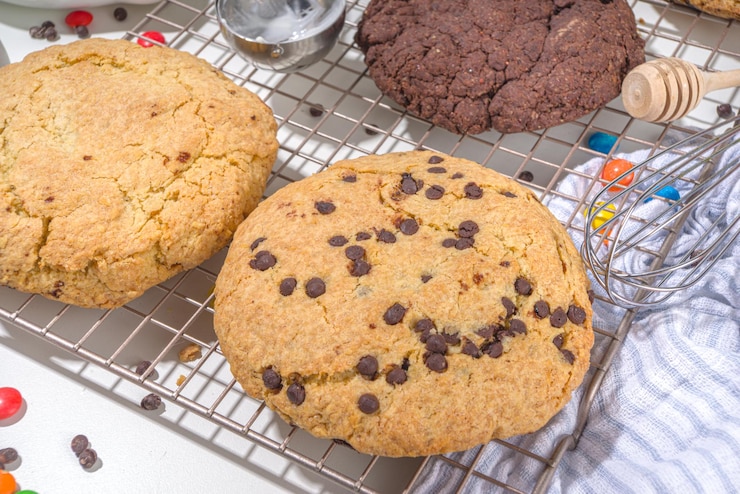
Giant cookies are a fun way to turn a familiar homemade treat into something made for the whole table. Instead of baking dozens of individual biscuits, you can prepare one large cookie that develops crisp edges, a soft centre and plenty of chocolate or other favourite fillings. These oversized cookies are ideal for family gatherings, weekend baking, children’s parties and relaxed afternoons when everyone wants something sweet. They are also easy to customise with nuts, caramel, dried fruit, chocolate chunks or colourful sweets. The key to making a successful giant cookie is balancing the ingredients so the centre cooks properly without becoming dry while the edges turn beautifully golden. A few simple techniques can also help you achieve the chewy texture and rich flavour that make homemade cookies so satisfying. Whether you prefer classic chocolate chip, double chocolate or a decadent peanut butter version, these giant cookie recipes are designed for sharing.
What Makes a Great Giant Cookie?
A good giant cookie needs the right balance between crispness and softness. Because the cookie is much larger than a standard biscuit, the centre takes longer to cook while the edges can brown quickly.
Butter provides richness and helps create flavourful golden edges. Brown sugar contributes moisture and chewiness, while white sugar helps the exterior develop a pleasant crisp texture.
Flour gives the cookie structure, while eggs help bind the mixture. Baking powder or bicarbonate of soda provides controlled lift, preventing the cookie from becoming excessively dense.
Chocolate chunks, nuts and other additions should be distributed evenly throughout the dough. This ensures that every slice contains plenty of flavour.
Classic Giant Chocolate Chip Cookie
This recipe produces one large cookie that is crisp around the edges while remaining soft and chewy in the centre. It works particularly well served warm with scoops of vanilla ice cream.
Ingredients
Serves 8 to 10.
- 115 g butter, softened
- 100 g brown sugar
- 50 g caster sugar
- 1 large egg
- 5 ml vanilla extract
- 180 g cake flour or plain flour
- 2.5 ml bicarbonate of soda
- 2.5 ml salt
- 150 g chocolate chunks
- 50 g chopped pecan nuts, optional
Method
Preheat the oven to 180°C.
Line a large baking tray with baking paper.
Beat the butter, brown sugar and caster sugar together until creamy.
Add the egg and vanilla extract.
Beat until well combined.
In a separate bowl, mix the flour, bicarbonate of soda and salt.
Gradually add the dry ingredients to the butter mixture.
Mix until a soft dough forms.
Fold in the chocolate chunks and pecans if using.
Place the dough in the centre of the prepared baking tray.
Shape it into a thick round approximately 20 cm in diameter.
Do not flatten it excessively because the cookie will spread during baking.
Bake for 18 to 23 minutes.
The edges should be golden while the centre should still look slightly soft.
Remove from the oven and allow it to cool on the tray for at least 15 minutes.
Slice into wedges and serve.
Double Chocolate Giant Cookie
Chocolate lovers can take the classic version further by adding cocoa powder to the dough and combining it with chunks of dark and milk chocolate.
Ingredients
Serves 8 to 10.
- 115 g butter, softened
- 100 g brown sugar
- 50 g caster sugar
- 1 large egg
- 5 ml vanilla extract
- 150 g cake flour or plain flour
- 30 g cocoa powder
- 2.5 ml bicarbonate of soda
- 2.5 ml salt
- 80 g dark chocolate chunks
- 80 g milk chocolate chunks
Method
Preheat the oven to 180°C.
Line a baking tray with baking paper.
Cream together the butter, brown sugar and caster sugar.
Beat in the egg and vanilla.
Combine the flour, cocoa powder, bicarbonate of soda and salt separately.
Add the dry mixture to the wet ingredients.
Mix until just combined.
Fold through the dark and milk chocolate chunks.
Place the dough onto the baking tray.
Shape it into a round approximately 20 cm wide.
Bake for 18 to 22 minutes.
The cookie should look set around the edges but remain slightly soft in the centre.
Leave it on the tray to cool.
Cut into wedges before serving.
Peanut Butter and Chocolate Giant Cookie
Peanut butter gives a giant cookie a rich, nutty flavour that pairs particularly well with chocolate. Choose smooth or crunchy peanut butter depending on the texture you prefer.
Ingredients
Serves 8.
- 100 g butter, softened
- 100 g smooth peanut butter
- 100 g brown sugar
- 50 g caster sugar
- 1 large egg
- 5 ml vanilla extract
- 180 g cake flour or plain flour
- 2.5 ml bicarbonate of soda
- 2.5 ml salt
- 120 g chocolate chunks
- 40 g roasted peanuts, chopped
Method
Preheat the oven to 180°C.
Line a baking tray with baking paper.
Beat the butter, peanut butter, brown sugar and caster sugar until smooth.
Add the egg and vanilla.
Beat until incorporated.
Mix the flour, bicarbonate of soda and salt in a separate bowl.
Add the dry ingredients to the peanut butter mixture.
Mix until a dough forms.
Fold in the chocolate and chopped peanuts.
Place the dough onto the baking tray.
Shape into a thick round approximately 20 cm wide.
Bake for 18 to 23 minutes.
Remove when the edges are golden and the centre remains slightly soft.
Cool on the tray before slicing.
Salted Caramel Giant Cookie
Salted caramel brings a sweet and slightly salty contrast to a buttery cookie. Use thick caramel or dulce de leche rather than a very runny sauce so the filling remains inside the cookie.
Ingredients
Serves 8 to 10.
- 115 g butter, softened
- 100 g brown sugar
- 50 g caster sugar
- 1 large egg
- 5 ml vanilla extract
- 180 g cake flour or plain flour
- 2.5 ml bicarbonate of soda
- 2.5 ml salt
- 100 g milk chocolate chunks
- 80 g thick caramel or dulce de leche
- 2 g flaky sea salt
Method
Preheat the oven to 180°C.
Line a baking tray with baking paper.
Cream the butter and sugars together.
Beat in the egg and vanilla.
Mix the flour, bicarbonate of soda and salt separately.
Add the dry ingredients to the butter mixture.
Fold in the chocolate chunks.
Place roughly two-thirds of the dough on the baking tray.
Shape it into a thick round.
Spread the caramel over the centre, leaving a border around the edge.
Cover with the remaining cookie dough.
Press the edges together gently to seal in the caramel.
Bake for approximately 20 to 25 minutes.
Remove when the edges are golden.
Sprinkle with flaky sea salt.
Allow to cool for at least 20 minutes before slicing.
Oatmeal, Raisin and Walnut Giant Cookie
This version offers a softer, more textured cookie with oats, raisins and walnuts. It is an excellent choice when you want something less chocolate-focused.
Ingredients
Serves 8.
- 115 g butter, softened
- 100 g brown sugar
- 50 g caster sugar
- 1 large egg
- 5 ml vanilla extract
- 120 g cake flour or plain flour
- 100 g rolled oats
- 2.5 ml ground cinnamon
- 2.5 ml bicarbonate of soda
- 2.5 ml salt
- 80 g raisins
- 60 g walnuts, chopped
Method
Preheat the oven to 180°C.
Line a baking tray with baking paper.
Beat the butter and sugars until creamy.
Add the egg and vanilla.
Mix until smooth.
Combine the flour, oats, cinnamon, bicarbonate of soda and salt.
Add the dry ingredients to the butter mixture.
Mix until combined.
Fold in the raisins and walnuts.
Shape the dough into a thick round approximately 20 cm wide.
Bake for 18 to 23 minutes.
Allow the cookie to cool on the tray before slicing.
Serve with tea, coffee or a glass of cold milk.
How to Get Crisp Edges and a Soft Centre
The texture of a giant cookie depends on several factors. Do not overbake it if you want a soft centre.
Look for golden edges and a centre that still appears slightly underdone when you remove the cookie from the oven. Residual heat will continue cooking the centre as the cookie cools.
Brown sugar helps retain moisture, which contributes to chewiness.
Using softened butter rather than melted butter can also help the dough maintain structure during baking.
Allowing the cookie to rest on the baking tray after cooking is important because it gives the centre time to set without exposing it to prolonged oven heat.
Why Chilling the Dough Can Help
Chilling the dough is not always necessary, but it can improve the texture and flavour of some giant cookies.
A short chilling period helps firm the butter. This can reduce excessive spreading during baking.
Chilling also gives the flour time to absorb moisture, resulting in a more cohesive dough.
If your kitchen is warm or the dough feels very soft, refrigerate it for 30 to 60 minutes before baking.
You may need to adjust the baking time slightly if the dough goes into the oven cold.
How to Prevent a Giant Cookie From Burning
Large cookies require careful attention because the outside can brown before the centre has finished cooking.
Use the recommended oven temperature rather than increasing the heat to speed up baking.
Position the baking tray in the centre of the oven.
If the edges brown too quickly, loosely cover the cookie with foil during the final few minutes.
Avoid making the cookie excessively thick because this can leave the centre raw while the exterior becomes too dark.
Let the cookie finish setting on the tray after removing it from the oven.
How to Make a Giant Cookie for a Party
A giant cookie can make an attractive centrepiece for a casual celebration. Bake it on a large round tray and allow it to cool completely before decorating.
You can drizzle melted chocolate over the top and add chopped nuts or colourful sweets.
Another option is to pipe small swirls of buttercream around the edge.
For birthdays, add sprinkles before baking or decorate the cooled cookie with icing.
Cut it into wedges like a cake so guests can serve themselves easily.
Giant Skillet Cookie
You can also bake a giant cookie directly in an oven-safe cast-iron skillet. The skillet retains heat and creates deeply golden edges.
Grease a 24 cm oven-safe skillet before adding the dough.
Press the dough evenly into the pan.
Bake at 180°C for approximately 20 to 25 minutes.
Watch the centre carefully because the residual heat from the skillet will continue cooking the cookie after it leaves the oven.
Serve the cookie directly from the skillet with ice cream.
Delicious Toppings and Mix-Ins
Giant cookies are easy to customise. Chocolate chunks are a classic choice, but there are many other combinations worth trying.
Try white chocolate with dried cranberries for a sweet and tart variation.
Macadamia nuts work particularly well with white chocolate.
Dark chocolate and orange zest create a richer combination.
Peanut butter chips and roasted peanuts suit chocolate cookie dough.
Chopped toffee pieces can add a caramelised crunch.
You can also add coconut, chopped hazelnuts, pistachios or dried cherries.
Use approximately 150 to 200 g of additions for a standard giant cookie recipe so the dough still holds together.
How to Store Giant Cookies
Allow the cookie to cool completely before storing it.
Place slices in an airtight container and keep them at room temperature for up to several days.
For a softer texture, place a small piece of bread in the container. The bread can help maintain moisture.
You can also freeze individual cookie slices.
Wrap each slice securely and place them in a freezer-safe container.
Thaw at room temperature or warm briefly in the oven before serving.
How to Serve Giant Cookies
A giant cookie is particularly enjoyable when served slightly warm. Heat individual slices for a few seconds in the microwave or warm them briefly in a low oven.
Add vanilla ice cream for a simple dessert.
Fresh berries can provide acidity that balances a rich chocolate cookie.
A drizzle of melted chocolate or caramel can make the dessert more indulgent.
For a casual gathering, place the whole cookie on a serving board and let everyone break off or slice their own portion.
Giant cookies offer an easy way to make a familiar homemade dessert feel special without requiring complicated techniques. The best recipes balance buttery richness, chewy centres and golden edges while leaving plenty of room for chocolate, nuts, caramel and other favourite additions. Classic chocolate chip, double chocolate, peanut butter, salted caramel and oatmeal variations each provide a different flavour while following the same basic baking principles. Paying attention to ingredient measurements, oven temperature and baking time will help you avoid an overcooked exterior and underbaked centre. Allowing the cookie to cool on the baking tray is equally important because the residual heat helps the middle set properly. These oversized treats are perfect for sharing at family gatherings, weekend celebrations or relaxed evenings when everyone wants a homemade dessert. You can serve them warm with ice cream, cut them into wedges or decorate them to create a centrepiece for a special occasion. Once you master the basic method, giant cookies become an easy and versatile baking project that you can adapt to suit almost any craving.