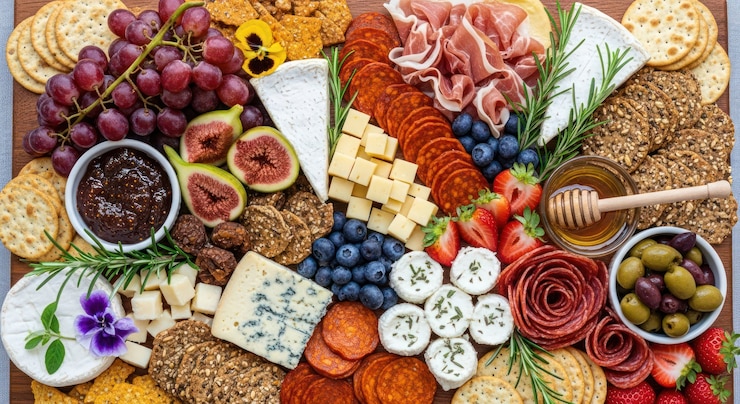
A South African charcuterie board is a delicious way to bring local flavours, textures and ingredients together on one generous platter. Instead of relying only on imported cheeses, cured meats and European-style accompaniments, a proudly South African board can showcase biltong, droëwors, farm-style cheeses, homemade preserves and familiar treats. The beauty of this kind of platter is that there are no strict rules, allowing you to combine traditional favourites with modern ingredients that suit your guests. Sweet and savoury flavours can sit side by side, from spicy chakalaka and tangy atchar to fresh grapes, figs and homemade apricot jam. Whether you are entertaining friends, preparing a Heritage Day spread or putting together an easy weekend snack, a beautifully arranged board can make the occasion feel special without requiring hours of cooking. With a thoughtful mix of cured meats, cheese, fresh produce, crunchy snacks and local condiments, even simple ingredients can become an impressive centrepiece. These South African charcuterie board ideas will help you create a generous, colourful and flavour-packed platter that celebrates the country’s diverse food culture.
What Makes a South African Charcuterie Board Different?
A traditional charcuterie board usually focuses on cured meats, cheeses, crackers, fruit, nuts and preserves. A South African version can use the same basic structure while replacing or complementing those ingredients with distinctly local flavours.
Biltong and droëwors are obvious additions, but they are only the beginning. South African cheeses, spicy preserves, pickled vegetables, homemade biscuits, roasted nuts and traditional sweets can all contribute something interesting to the platter.
The key is balance. A board should contain salty, sweet, creamy, crunchy, spicy and fresh elements so that every bite offers a different combination of flavours and textures.
Start with Biltong and Droëwors
Biltong is one of the easiest ways to give your charcuterie board a distinctly South African identity. Thinly sliced beef biltong can be arranged in loose folds or small piles across the board, while thicker slices can be placed alongside cheese and crackers.
Droëwors adds a different texture and shape. Cut it into bite-sized pieces so guests can easily pick it up without needing a knife.
You can also include different styles of biltong if available, such as traditional, chilli or garlic-flavoured varieties. Keeping the pieces in separate groups allows guests to compare the flavours.
For a larger gathering, use biltong as one of several meat options rather than making it the only protein. Cured ham, salami, smoked chicken or sliced roast beef can complement the local flavours without taking attention away from the biltong.
Add South African Cheeses
Cheese provides the creamy and savoury foundation of a good charcuterie board. Look for locally produced cheeses with different textures rather than choosing several varieties that taste similar.
A mature cheddar brings a firm texture and sharp flavour. Creamy brie or camembert adds richness, while a crumbly feta provides a salty contrast.
Goat’s cheese is another excellent option, particularly when paired with honey, figs or fruit preserves. Smoked cheeses can introduce a subtle savoury flavour that works especially well with biltong and roasted nuts.
For a more rustic presentation, cut some cheeses into wedges, crumble others and leave a soft cheese whole with a small knife beside it.
Use Atchar for Heat and Brightness
Atchar can completely transform a charcuterie board. Its combination of pickled vegetables, spices and acidity provides a welcome contrast to rich cheese and cured meat.
Mango atchar is particularly good with cheddar and biltong, while a hotter vegetable atchar can be served for guests who enjoy more spice.
Place the atchar in a small bowl rather than spreading it directly over the board. This keeps the other ingredients neat and allows guests to add as much as they like.
You can also offer two varieties with different levels of heat to give guests more choice.
Include Chakalaka
Chakalaka is another excellent addition when you want to give your platter a distinctly South African character. A small bowl of thick, spicy vegetable relish provides colour, acidity and heat.
Serve it with toasted bread, crackers or slices of fresh baguette. It can also be spooned onto cheese or enjoyed alongside slices of biltong.
For an elegant board, use a chunky chakalaka that is thick enough to scoop without making the crackers soggy.
Add Homemade Preserves and Chutney
Sweet accompaniments are important because they balance salty cured meats and strongly flavoured cheeses. South African-style fruit chutney, apricot jam and fig preserves all work beautifully.
A small bowl of Mrs Ball’s-style fruit chutney can provide a familiar sweet and tangy flavour. Homemade apricot or peach jam gives the board a softer, fruitier element.
Try pairing sharp cheddar with apricot jam or creamy cheese with fig preserve. The combination of salty cheese and sweet fruit is particularly effective.
Honey is another simple addition. Drizzle it over soft cheese just before serving or place a small jar on the board for guests to use themselves.
Fresh Fruit Adds Colour and Freshness
Fresh fruit prevents a charcuterie board from becoming too heavy. Grapes are an easy choice because they require little preparation and can be eaten alongside almost anything.
Sliced pears and apples work particularly well with mature cheddar. Figs are excellent with goat’s cheese and honey, while peaches and nectarines bring a distinctly summery character.
For a South African twist, consider adding naartjies, guavas or fresh seasonal berries. Dried fruit such as apricots, cranberries and dates can also provide concentrated sweetness.
Arrange fruit in small clusters rather than scattering individual pieces everywhere. This makes the board look more intentional while keeping the presentation tidy.
Don’t Forget the Crunchy Elements
Texture is what makes a charcuterie board interesting from the first bite to the last. Include at least two or three crunchy elements to contrast with soft cheese and tender cured meats.
Roasted macadamia nuts are an excellent South African-inspired choice. Peanuts, cashews, almonds and pecans can also be used.
Seeded crackers, breadsticks, toasted baguette slices and crisp water biscuits provide different textures for spreading cheese and preserves.
For something more rustic, add homemade rusks broken into smaller pieces. Their firm texture makes them surprisingly good with soft cheese, chutney and honey.
South African-Inspired Cheese Pairings
Pairing ingredients thoughtfully can make a simple board feel much more sophisticated. Strong flavours should generally be balanced by something mild, creamy or sweet.
Try mature cheddar with biltong, apricot jam and roasted macadamias. Pair feta with watermelon, mint and a drizzle of honey for a fresh combination. Goat’s cheese works beautifully with figs, honey and toasted pecans.
Smoked cheese can be served with droëwors, chilli preserves and crisp crackers. Brie pairs well with grapes, peaches and fruit chutney.
There is no need to follow rigid rules. Taste combinations as you prepare the board and choose pairings that suit the flavours you enjoy.
Homemade Spiced Nuts for Your Board
Spiced nuts are easy to prepare and can be made several days before your gathering.
Ingredients
- 200 g mixed nuts
- 15 ml olive oil
- 5 ml smoked paprika
- 2.5 ml ground cumin
- 2.5 ml garlic powder
- 2.5 ml chilli flakes
- 5 ml honey
- 2.5 ml salt
Method
Preheat the oven to 180°C.
Place the nuts in a bowl.
Add the olive oil, paprika, cumin, garlic powder, chilli flakes, honey and salt.
Toss until the nuts are evenly coated.
Spread them in a single layer on a baking tray.
Roast for 10 to 12 minutes, stirring once halfway through.
Allow the nuts to cool completely before adding them to the charcuterie board.
Easy Homemade Seeded Crackers
Homemade crackers can give your board an extra touch while requiring only a handful of ingredients.
Ingredients
- 150 g cake flour
- 50 g wholewheat flour
- 30 g sunflower seeds
- 20 g sesame seeds
- 2.5 ml salt
- 30 ml olive oil
- 100 ml water
Method
Preheat the oven to 180°C.
Combine the flours, seeds and salt in a bowl.
Add the olive oil and water.
Mix until a firm dough forms.
Roll the dough very thinly between two sheets of baking paper.
Remove the top sheet and cut the dough into squares or rectangles.
Transfer to a baking tray.
Bake for 12 to 15 minutes until crisp and lightly golden.
Allow the crackers to cool completely before serving.
Add Traditional South African Snacks
A South African charcuterie board does not have to be limited to traditional charcuterie ingredients. Adding familiar local snacks can make the platter more personal and fun.
Mini vetkoek can be served with cheese, chutney or savoury fillings. Small samoosas bring spice and crunch, while savoury biscuits can provide another texture.
For a Heritage Day gathering, consider adding small portions of traditional favourites that can be eaten without cutlery. Keep them bite-sized so the board remains easy to navigate.
This is also a great way to introduce guests to flavours they may not have tried before.
Sweet Additions for a South African Dessert Board
If your charcuterie board is intended to finish a meal, you can create a sweet-and-savoury version with local desserts.
Mini koeksisters, milk tart biscuits, coconut ice and peppermint crisp chocolate can all be cut into small portions and arranged alongside fruit and cheese.
Dried fruit, chocolate-covered nuts and homemade fudge also work well.
A small bowl of caramel sauce or melted chocolate can provide an indulgent dipping option, although it is best kept separate from savoury ingredients.
A Heritage Day Charcuterie Board
Heritage Day is an ideal occasion to build a board around South African ingredients. Start with biltong and droëwors, then add local cheeses, atchar, chutney, chakalaka, fresh fruit and roasted nuts.
You can bring in flavours from different South African food traditions by adding samoosas, mini vetkoek or other savoury snacks.
The board does not need to represent every regional cuisine. Instead, think of it as a celebration of the variety found across South African food culture.
Use small bowls, wooden boards and simple serving dishes to create a relaxed table that encourages everyone to share and discover different combinations.
How to Arrange a South African Charcuterie Board
Start with the largest items first. Place cheese wedges, bowls of preserves and small dishes of atchar or chakalaka around the board.
Next, arrange the biltong and droëwors in loose groups. Fold sliced biltong rather than laying every piece flat because this adds height and makes the platter look more generous.
Fill the empty spaces with crackers, bread, nuts and fruit. Keep similar ingredients together but avoid making the arrangement too symmetrical.
Finish with small details such as fresh herbs, edible flowers or sprigs of rosemary if you want a more decorative presentation.
A wooden board creates a rustic look, while a large ceramic platter gives the spread a cleaner, more contemporary appearance.
How Much Food Do You Need?
For a starter board, approximately 100 to 150 g of combined meat and cheese per person can work when other substantial dishes will follow.
For a board intended to replace a meal, plan for approximately 200 to 250 g of combined meat and cheese per adult, along with plenty of bread, crackers, fruit and other accompaniments.
You do not need to provide huge quantities of every ingredient. A board with eight to 12 well-chosen components can feel much more interesting than one overloaded with dozens of similar foods.
For children, include familiar options such as mild cheese, crackers, fruit and sliced biltong.
Preparing Your Charcuterie Board in Advance
Much of the preparation can be done before your guests arrive. Cut firm cheeses, wash the fruit, prepare the nuts and arrange the crackers in containers.
Keep meat and cheese refrigerated until reasonably close to serving time. Soft cheeses and perishable ingredients should not be left sitting out for extended periods, particularly during warm weather.
Prepare preserves, dips and relishes ahead of time and keep them chilled until you are ready to assemble the board.
Arrange the final platter shortly before guests arrive. This keeps the fruit fresh and prevents crackers and bread from becoming soft.
How to Keep the Board Looking Fresh
A few simple presentation choices can make a big difference. Keep wet ingredients in bowls rather than placing them directly against crackers or bread.
Replace empty sections of the board with fresh ingredients instead of allowing the platter to look picked over. Keep extra biltong, cheese and crackers in the kitchen so you can replenish the board throughout the gathering.
Use small knives for soft cheese and spoons for chutney, atchar and preserves. This keeps guests from using the same utensils across different ingredients.
If the weather is particularly warm, serve smaller boards and replenish them from chilled ingredients rather than placing the entire supply on the table at once.
South African Charcuterie Board Combinations to Try
A biltong and cheddar combination is a natural starting point. Add apricot jam, roasted macadamias and seeded crackers for a mixture of salty, sweet and crunchy flavours.
For a spicy board, combine chilli biltong, mature cheddar, mango atchar, chakalaka, pickled vegetables and crisp crackers.
For a lighter platter, use feta, goat’s cheese, grapes, pears, cucumber, olives, nuts and honey.
A dessert-inspired board can combine soft cheese, fruit, koeksisters, chocolate, dried apricots, coconut ice and a small bowl of caramel sauce.
These combinations can also be mixed and matched depending on the season and what you already have in the kitchen.
Tips for Building a Budget-Friendly Board
You do not need expensive imported ingredients to make an impressive charcuterie board. Choose two or three cheeses rather than buying a large selection and use locally produced options where possible.
Buy biltong and droëwors in quantities that match the number of guests. Add affordable ingredients such as seasonal fruit, homemade crackers, roasted peanuts and freshly baked bread to make the board more generous.
Homemade dips, preserves and spiced nuts can also add plenty of flavour without significantly increasing the cost.
Seasonal produce is particularly useful because it is often more affordable and tends to taste better. A board built around what is fresh and available can look more colourful than one based entirely on expensive specialty ingredients.
Drinks to Serve Alongside Your Board
A charcuterie board pairs well with a range of drinks because it contains such a wide variety of flavours. Homemade iced tea, lemonade and sparkling water with citrus are refreshing non-alcoholic options.
For a more South African-inspired pairing, rooibos iced tea can complement sweet and savoury ingredients without overpowering them.
If alcoholic drinks are being served, choose beverages that suit the overall occasion and the preferences of your guests. Keep plenty of water available, particularly during warm-weather gatherings.
The best drink pairing is one that refreshes the palate between bites rather than competing with the flavours on the board.
A South African charcuterie board is a wonderful way to turn familiar local ingredients into an impressive spread that encourages everyone to share and explore. Biltong, droëwors, locally produced cheeses, atchar, chakalaka, chutney, seasonal fruit and roasted nuts provide a strong foundation for a platter packed with character. Adding homemade crackers, spiced nuts, vetkoek, samoosas or traditional sweets can make the board even more personal and give guests plenty of flavours to discover. The secret to a successful board is balance, with rich meats complemented by fresh fruit, creamy cheese balanced by crunchy crackers and spicy accompaniments softened by something sweet. Preparing many of the components in advance also makes this an easy option for entertaining, whether you are hosting Heritage Day, a birthday or a relaxed weekend gathering. Most importantly, there is no need to follow strict charcuterie rules because the best boards reflect the ingredients, traditions and tastes that matter to the people around your table. Fill your board generously, invite everyone to dig in and celebrate the wonderful variety of South African flavour in every bite.