
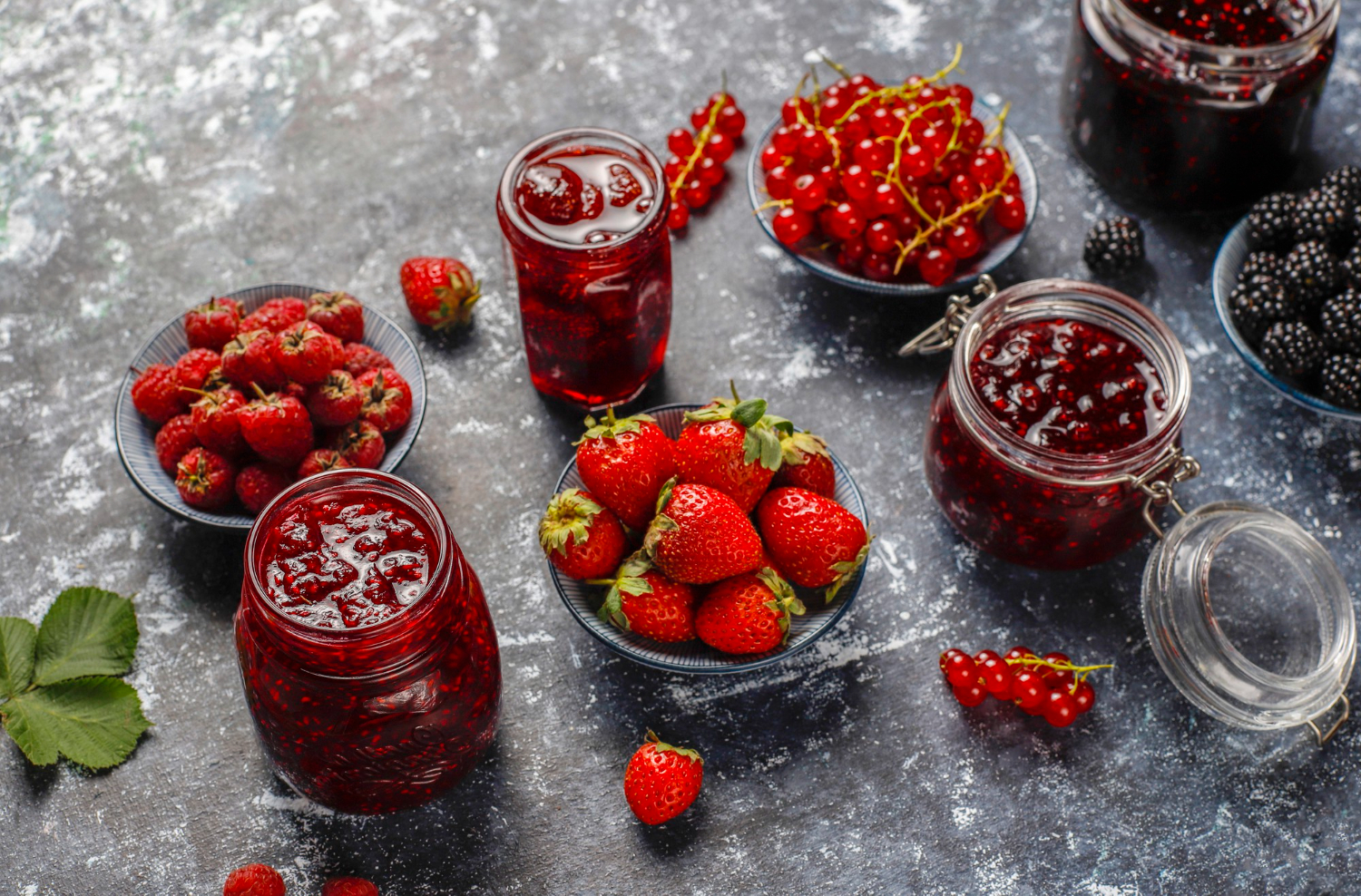
Homemade fruit preserves are a wonderful way to capture the flavour of fresh fruit and enjoy it long after the season has passed. With ripe fruit, sugar, lemon juice and a little patience, you can create delicious preserves that taste far better than many shop-bought varieties. From sweet strawberry jam to tangy apricot preserves and warmly spiced apple butter, there are endless ways to turn everyday ingredients into something special. Making preserves at home also gives you control over the sweetness, texture and flavour, allowing you to adjust each batch to suit your preferences. The process is simpler than it might seem, especially when you understand how fruit, sugar, acidity and heat work together to produce the right consistency. Homemade preserves are perfect for spreading on toast, serving with scones, adding to yoghurt or using as a filling for cakes and pastries. With these practical techniques and easy recipes, you can learn how to make perfect fruit preserves at home using simple ingredients and reliable methods.
The Basics of Making Fruit Preserves
Fruit preserves are made by cooking fruit with sugar until the mixture reaches the desired consistency. Depending on the recipe, the fruit may remain in whole or chunky pieces, break down into a smooth jam or cook into a thick, spoonable spread. The method you choose depends on the fruit, the amount of sugar and the texture you want to achieve.
Choose Ripe, Flavourful Fruit
Fresh, ripe fruit provides the best flavour for homemade preserves. Strawberries, apricots, peaches, plums, apples and berries are all excellent choices, although each fruit behaves differently when cooked. Slightly firm fruit can be useful when you want pieces to retain their shape, while softer fruit is ideal for smoother jams.
Avoid fruit that is mouldy, fermented or badly bruised. Wash the fruit thoroughly, remove stalks and stones where necessary, and weigh it after preparing it so your ingredient proportions remain accurate.
Understand the Role of Sugar and Lemon Juice
Sugar adds sweetness, helps draw moisture from fruit and contributes to the final texture. It also plays an important role in preservation, particularly in traditional high-sugar recipes. Reducing the sugar can change how a preserve sets and how long it remains safe to store.
Lemon juice provides acidity, which brightens the flavour and helps certain fruit mixtures set. Fruit naturally contains pectin, a substance that helps jams thicken, but the amount varies between varieties. Apples, citrus fruit and some plums generally contain more pectin than strawberries and peaches, so low-pectin fruit may need additional lemon juice or a suitable commercial pectin product.
Use the Right Equipment
You do not need specialist equipment to make a basic batch of preserves, but a few kitchen essentials make the process easier.
- A large, heavy-based saucepan for even heating
- A wooden spoon or heatproof spatula
- A sharp knife and chopping board
- A kitchen scale for accurate measurements
- Clean glass jars with suitable new lids
- A ladle and a wide-mouth funnel, if available
- A food thermometer, optional but useful for checking temperature
Choose a saucepan with plenty of room above the mixture because fruit can bubble up as it boils. A wide pan also helps moisture evaporate more quickly, reducing the cooking time and helping the fruit retain a fresher flavour.
1. Easy Homemade Strawberry Preserves
Strawberry preserves are a great starting point for beginners because they require only a few ingredients and have a bright, familiar flavour. The fruit softens as it cooks, creating a thick, glossy mixture that works beautifully on toast, pancakes, scones and yoghurt.
Ingredients
- 1 kg fresh strawberries, hulled and chopped
- 600 g granulated sugar
- 30 ml freshly squeezed lemon juice
Instructions
- Wash the strawberries, remove the green tops and cut larger berries into smaller pieces.
- Place the strawberries, sugar and lemon juice in a large saucepan.
- Stir gently until the fruit is coated in sugar.
- Leave the mixture for 15 to 20 minutes to allow the strawberries to release some juice.
- Place the saucepan over medium heat and stir until the sugar has dissolved.
- Bring the mixture to a steady boil, stirring regularly to prevent it from sticking.
- Reduce the heat slightly and cook for 20 to 35 minutes, skimming off any excess foam if necessary.
- Mash some of the strawberries with the spoon if you prefer a smoother preserve, or leave larger pieces for a chunkier texture.
- Test the consistency using the method described below.
- Remove from the heat and allow the mixture to settle for a few minutes.
- Transfer into prepared jars using a clean ladle.
Cooking time will vary depending on the water content of the fruit and the width of your saucepan. Avoid cooking the mixture for longer than necessary because excessive heat can dull the strawberry flavour.
Serving idea: Spoon strawberry preserves over warm flapjacks, swirl them into plain yoghurt or use them as a filling for a Victoria sponge cake.
2. Traditional Apricot Preserves
Apricot preserves are especially popular in South African kitchens, where fresh apricots are a seasonal favourite. Their naturally sweet, slightly tangy flavour makes them ideal for a preserve that can be enjoyed on bread or used in baking.
Ingredients
- 1 kg ripe apricots, weighed after removing the stones
- 650 g granulated sugar
- 30 ml lemon juice
- 100 ml water
Instructions
- Wash the apricots, halve them and remove the stones.
- Cut the fruit into quarters and place it in a large saucepan with the water.
- Bring to a gentle simmer over medium heat.
- Cook for 8 to 10 minutes until the fruit begins to soften.
- Add the sugar and lemon juice.
- Stir continuously over low heat until the sugar has completely dissolved.
- Increase the heat and bring the mixture to a steady boil.
- Cook for approximately 20 to 30 minutes, stirring frequently as the mixture thickens.
- Mash some of the fruit if you prefer a smoother preserve, or leave the pieces intact.
- Test the consistency and remove the pan from the heat once the preserve is ready.
- Transfer into prepared jars.
Flavour variation: Add a small piece of fresh ginger during cooking for a gentle warmth. Remove it before filling the jars if you do not want pieces of ginger in the finished preserve.
Serving idea: Apricot preserves are delicious with scones, cheese platters and roasted meats. They can also be warmed with a little water and brushed over cakes or pastries as a glaze.
3. Homemade Peach and Vanilla Preserves
Peach preserves have a delicate sweetness and a soft texture that works particularly well with vanilla. This recipe is ideal for using ripe peaches that are full of flavour but still firm enough to hold their shape during cooking.
Ingredients
- 1 kg ripe peaches, peeled and stoned
- 600 g granulated sugar
- 30 ml lemon juice
- 1 vanilla pod, split, or 5 ml vanilla extract
Instructions
- Peel the peaches, remove the stones and cut the flesh into small chunks.
- Place the peaches, sugar and lemon juice in a large saucepan.
- Stir gently and leave for 20 minutes to allow the fruit to release its juices.
- Add the split vanilla pod, if using.
- Heat the mixture gently until the sugar dissolves.
- Bring to a steady boil and cook for 20 to 30 minutes, stirring regularly.
- Remove any foam that collects on the surface.
- Test the consistency once the mixture begins to thicken.
- Remove the vanilla pod and stir in the vanilla extract if using it instead.
- Take the saucepan off the heat and allow the preserve to settle briefly.
- Transfer into prepared jars.
Flavour variation: Add a pinch of ground cinnamon for a warmer flavour, or combine the peaches with a little finely grated lemon zest for a brighter finish.
Serving idea: Use peach and vanilla preserves in yoghurt bowls, on French toast or as a filling for homemade pastries.
4. Spiced Apple Preserves
Apples are particularly useful for homemade preserves because they contain natural pectin, which helps the mixture thicken. Cinnamon and lemon add warmth and brightness, creating a preserve that tastes wonderful during cooler weather.
Ingredients
- 1 kg apples, peeled, cored and diced
- 550 g granulated sugar
- 30 ml lemon juice
- 150 ml water
- 5 ml ground cinnamon
- A pinch of ground nutmeg, optional
Instructions
- Peel and core the apples, then cut them into small, even pieces.
- Place the apples, water and lemon juice in a saucepan.
- Bring to a gentle simmer and cook for 10 to 15 minutes until the apples begin to soften.
- Add the sugar and cinnamon, stirring until the sugar dissolves.
- Bring the mixture to a steady boil.
- Cook for another 20 to 30 minutes, stirring frequently to prevent sticking.
- Mash some of the apples for a softer preserve while leaving a few pieces intact.
- Add the nutmeg if using.
- Continue cooking until the mixture thickens and reaches the desired consistency.
- Remove from the heat and transfer into prepared jars.
Flavour variation: Replace some of the water with apple juice for a fuller apple flavour. You can also add a few cloves while cooking, removing them before filling the jars.
Serving idea: Spread apple preserves on warm toast, serve with pancakes or use as a filling for pastries and baked turnovers.
5. Mixed Berry Preserves
Mixed berry preserves combine the sweet flavour of strawberries with the deeper notes of blueberries and raspberries. This recipe is a good option when you have a mixture of fresh or frozen berries available.
Ingredients
- 400 g strawberries, hulled and chopped
- 300 g blueberries
- 300 g raspberries
- 650 g granulated sugar
- 30 ml lemon juice
Instructions
- Wash and prepare the fresh berries. If using frozen fruit, thaw it sufficiently to remove excess ice.
- Place all the fruit in a large saucepan with the sugar and lemon juice.
- Stir gently and leave for 15 minutes.
- Heat over medium heat until the sugar dissolves.
- Bring the mixture to a steady boil.
- Cook for 20 to 30 minutes, stirring regularly.
- Mash the fruit lightly if you prefer fewer whole pieces.
- Skim off any foam that forms on the surface.
- Test the consistency and continue cooking briefly if the preserve is still too runny.
- Remove from the heat and transfer into prepared jars.
Flavour variation: Add a little lemon zest or a small amount of grated fresh ginger for extra brightness.
Serving idea: Mixed berry preserves are delicious over porridge, stirred through yoghurt or served with cheesecake and vanilla ice cream.
How to Tell When Fruit Preserves Are Ready
One of the biggest challenges for beginners is knowing when a preserve has cooked long enough. Cooking time alone is not a reliable guide because different fruits contain different amounts of water, and saucepan size affects how quickly moisture evaporates.
The Cold Plate Test
Place a small plate in the freezer before you begin cooking. When the preserve appears thick enough, spoon a little onto the cold plate and leave it for about 30 seconds. Push the edge of the sample gently with your finger. If the surface wrinkles slightly and the mixture moves slowly, the preserve may be ready. If it remains very runny, cook the mixture for a few more minutes and test again.
Use a Thermometer
Traditional high-sugar jams often reach their setting point at approximately 104°C to 105°C at sea level, although the exact temperature varies with altitude, fruit acidity and sugar concentration. A thermometer is useful, but combine it with a consistency test rather than relying on temperature alone.
Avoid Overcooking
A preserve that is cooked for too long may become excessively thick, sticky or caramelised. It can also lose some of its fresh fruit flavour. Remove the pan from the heat once the mixture reaches the consistency you want, remembering that some preserves thicken further as they cool.
How to Prepare Jars for Homemade Preserves
Clean jars are essential, but simply washing them does not make a preserve shelf-stable. The correct preparation and processing method depends on the recipe, acidity, sugar concentration, jar type and intended storage conditions.
For preserves that will be refrigerated, wash the jars and lids thoroughly with hot soapy water, rinse well and allow them to drain. Use clean utensils when filling the jars, leave the preserves to cool according to your recipe and refrigerate promptly.
If you want to store preserves unopened at room temperature, use a tested recipe designed for water-bath canning. Prepare the jars and lids according to the manufacturer’s instructions, fill them as directed and process them for the specified time, adjusting for altitude where required. Do not assume that pouring hot jam into a clean jar, sealing it or turning it upside down makes it safe for pantry storage.
Discard any preserve showing mould, fermentation, an unusual smell or a damaged seal. Do not taste food that shows signs of spoilage.
Common Mistakes to Avoid When Making Fruit Preserves
Even simple preserve recipes can be affected by small mistakes. These practical tips will help you achieve a better texture and more consistent results.
- Using underripe or flavourless fruit: Choose fruit with a good aroma and natural sweetness for the best flavour.
- Adding sugar before measuring the fruit: Weigh the prepared fruit first so you can follow the recipe accurately.
- Reducing sugar without adjusting the recipe: Sugar affects both the setting process and preservation, so use a tested low-sugar recipe if you want to reduce it.
- Cooking over excessively high heat: A steady boil is useful, but uncontrolled heat can cause scorching and uneven cooking.
- Using a saucepan that is too small: Fruit mixtures can foam and rise as they boil, so choose a roomy pan.
- Skipping the consistency test: Cooking times vary, making a cold plate or thermometer a useful guide.
- Storing preserves incorrectly: Refrigerate preserves unless you have used a tested canning process suitable for room-temperature storage.
Creative Ways to Use Homemade Fruit Preserves
Homemade preserves are useful for much more than toast. Their sweetness and concentrated fruit flavour can enhance a wide range of everyday meals and desserts.
Spread strawberry or mixed berry preserves between cake layers, swirl peach preserves through yoghurt or spoon apricot preserves over warm scones. Apple preserves make a delicious filling for pastries, while berry preserves can be warmed into a sauce for pancakes, waffles or ice cream.
You can also use small amounts of preserves in savoury dishes. Apricot preserves work well in a glaze for roast chicken, while a spoonful of fruit preserve can add sweetness and shine to a sauce served with grilled meat. For a quick cheese board, pair preserves with mature cheddar, soft cheese or creamy goat’s cheese and serve with crackers.
Homemade fruit preserves bring seasonal fruit, simple ingredients and traditional cooking techniques together in a way that is both practical and rewarding. Once you understand how sugar, acidity, heat and natural pectin affect the final texture, it becomes much easier to create preserves that suit your taste. Strawberry, apricot, peach, apple and mixed berry recipes all offer different flavours, from bright and tangy to sweet, mellow and warmly spiced. Choosing ripe fruit and measuring your ingredients accurately will help you achieve more consistent results with every batch. Taking the time to test the consistency as the mixture cooks can also prevent preserves from becoming too runny or excessively thick. Proper jar preparation and safe storage are just as important as flavour, especially if you plan to keep your preserves for longer than a few weeks. Start with one of these simple recipes, experiment with complementary spices or fruit combinations and enjoy the pleasure of creating homemade preserves for breakfast, baking and everyday meals.