Tea is more than a comforting drink to enjoy on its own. The right tea can bring out the flavours of food, balance rich ingredients and make an ordinary meal feel special. From delicate green tea served with fresh pastries to bold black tea paired with savoury sandwiches, each variety offers different flavour combinations. Some teas have floral notes that complement fruit and light desserts, while others have earthy or malty flavours that work well with hearty dishes. Understanding how tea interacts with sweetness, acidity, saltiness and spice can help you create more enjoyable food pairings. You do not need expensive ingredients or specialist knowledge to get started. This guide explores how to pair tea with sweet and savoury foods, with practical suggestions for everyday meals, afternoon tea and special occasions.
Understanding the Basics of Tea and Food Pairing
Good tea pairing follows a few simple principles. You can choose foods that complement the tea’s natural flavour or create contrast by combining different tastes and textures.
For example, a floral tea can complement a delicate dessert, while a strong black tea can balance a rich pastry. A refreshing green tea can also cut through oily or salty foods.
Consider these four elements when choosing your pairings:
- Flavour intensity: Match delicate teas with light foods and stronger teas with richer dishes.
- Sweetness: Naturally sweet foods often work well with floral, fruity or mildly earthy teas.
- Acidity: Citrus flavours in food can complement teas with bright, fresh notes.
- Texture: A refreshing tea can balance creamy, buttery or fried foods.
The best pairing should allow both the tea and the food to remain enjoyable. Neither should completely overpower the other.
Pairing Black Tea With Sweet and Savoury Foods
Black tea has a bold flavour that can range from malty and rich to brisk and slightly astringent. Its strength makes it one of the most versatile choices for food pairing.
Sweet Foods That Pair With Black Tea
Black tea works particularly well with baked goods and desserts that contain butter, chocolate, spices or caramel.
Try serving it with:
- Butter biscuits and shortbread.
- Chocolate cake and brownies.
- Cinnamon rolls and spiced pastries.
- Fruit cake and raisin scones.
- Caramel tart and sticky pudding.
English Breakfast tea pairs well with buttery pastries because its robust flavour balances their richness. Earl Grey, which contains bergamot oil, works beautifully with lemon cake, orange biscuits and vanilla desserts.
For a simple afternoon treat, serve a cup of Earl Grey with a slice of lemon loaf cake.
Savoury Foods That Pair With Black Tea
Black tea also complements savoury dishes, especially those with rich or smoky flavours.
Good options include:
- Cheese and tomato sandwiches.
- Roast chicken sandwiches.
- Quiches and savoury pastries.
- Smoked salmon on toast.
- Mild cheddar and wholegrain crackers.
Strong breakfast teas work well with eggs, cheese and toasted bread. Their full flavour stands up to ingredients that might overwhelm a lighter tea.
Pairing Green Tea With Sweet and Savoury Foods
Green tea has a fresh flavour that can be grassy, vegetal, nutty or lightly sweet. Its character varies depending on the variety and how you prepare it.
Sweet Foods That Pair With Green Tea
Green tea pairs best with desserts that are not excessively sweet. Its clean flavour can balance creamy textures and highlight delicate ingredients.
Try it with:
- Lemon biscuits.
- Vanilla sponge cake.
- Fresh strawberries and other berries.
- Light fruit tarts.
- Almond biscuits.
- White chocolate desserts.
Japanese matcha is particularly useful for pairing with sweet foods. Its earthy flavour balances the sweetness of white chocolate, vanilla ice cream and creamy pastries.
Sencha, a popular Japanese green tea, works well with fruit-based desserts and lightly sweet biscuits.
Savoury Foods That Pair With Green Tea
Green tea is an excellent choice for lighter savoury meals. Its fresh character complements vegetables, seafood and dishes with subtle seasoning.
Try pairing green tea with:
- Sushi and sashimi.
- Grilled fish.
- Vegetable spring rolls.
- Rice dishes.
- Chicken salads.
- Steamed dumplings.
Green tea also works well with Asian-inspired meals containing ginger, sesame, soy sauce and fresh herbs. Avoid pairing delicate green teas with heavily spiced or very rich foods because their flavours can easily disappear.
Pairing White Tea With Sweet and Savoury Foods
White tea is generally delicate, with subtle floral, fruity or slightly sweet notes. Its light flavour makes it best suited to foods that do not contain overpowering spices or heavy sauces.
Sweet Foods That Pair With White Tea
White tea complements simple desserts that allow its gentle flavour to shine.
Good pairings include:
- Fresh berries.
- Peach and pear slices.
- Light sponge cake.
- Honey biscuits.
- Fruit salad.
- Delicate almond pastries.
A lightly brewed white tea served with fresh strawberries makes a refreshing afternoon combination. You can also serve it with a simple vanilla biscuit for a light dessert.
Savoury Foods That Pair With White Tea
Choose mild savoury foods with clean flavours when serving white tea.
Suitable options include:
- Cucumber sandwiches.
- Mild goat’s cheese.
- Steamed white fish.
- Light vegetable salads.
- Plain crackers with soft cheese.
- Chicken and herb wraps.
Avoid heavily smoked meats, strong cheeses and spicy dishes. Their intensity can overpower the tea’s delicate character.
Pairing Oolong Tea With Sweet and Savoury Foods
Oolong tea sits between green and black tea in terms of oxidation, although its flavour varies widely. Light oolongs can taste floral and creamy, while darker varieties often have roasted, nutty or woody notes.
Sweet Foods That Pair With Oolong Tea
Light oolong tea works well with fruit desserts and pastries, while darker oolong varieties complement richer sweets.
Try these combinations:
- Light oolong with peach tart.
- Floral oolong with honey cake.
- Roasted oolong with almond biscuits.
- Dark oolong with caramel desserts.
- Creamy oolong with vanilla pastries.
Oolong tea is also a good choice for serving with desserts containing nuts. Its roasted notes can bring out the flavour of almonds, walnuts and hazelnuts.
Savoury Foods That Pair With Oolong Tea
Oolong tea is versatile enough to accompany a variety of savoury dishes.
Try serving it with:
- Roasted chicken.
- Grilled vegetables.
- Mushroom pastries.
- Pork dumplings.
- Mild curries.
- Cheese and crackers.
Darker oolong teas work especially well with roasted or grilled foods because their deeper flavours complement caramelised ingredients.
Pairing Herbal Tea With Sweet and Savoury Foods
Herbal teas are technically infusions made from herbs, flowers, spices and other plants rather than traditional tea leaves. They offer a wide range of flavours, making them useful for both sweet and savoury pairings.
Peppermint Tea
Peppermint tea has a cooling, refreshing flavour. It works well with chocolate desserts, fruit salads and rich pastries.
For savoury foods, serve it with lamb dishes, couscous, vegetable salads or meals containing fresh herbs. Its minty character can refresh the palate after a rich meal.
Chamomile Tea
Chamomile has a gentle floral flavour with natural sweetness. It pairs well with honey biscuits, shortbread, vanilla cake and fruit-based desserts.
For savoury options, try it with mild cheeses, cucumber sandwiches and lightly seasoned chicken. Its delicate flavour is best suited to simple foods.
Rooibos Tea
Rooibos is naturally caffeine-free and has a smooth, slightly sweet flavour. It is especially versatile because it can complement both sweet and savoury dishes.
Pair rooibos with:
- Chocolate cake.
- Cinnamon biscuits.
- Apple crumble.
- Vanilla desserts.
- Roasted vegetables.
- Mild cheeses.
- Grilled chicken.
Rooibos also works well with foods containing cinnamon, nutmeg, honey and caramel. Its naturally rounded flavour makes it a good choice for an afternoon snack or evening treat.
Ginger Tea
Ginger tea has a warm, spicy flavour that pairs well with desserts containing citrus, honey or dark chocolate.
For savoury foods, serve it with Asian-inspired dishes, roasted vegetables, chicken, seafood and meals containing garlic or chilli. Its warming character complements ingredients with strong seasoning.
How to Pair Tea With Different Types of Desserts
Choosing tea according to the main ingredients in your dessert makes pairing easier.
| Dessert | Recommended tea | Why it works |
|---|---|---|
| Chocolate cake | Black tea or peppermint | Balances rich chocolate flavours |
| Lemon cake | Earl Grey or green tea | Complements citrus notes |
| Fruit tart | White tea or green tea | Supports delicate fruit flavours |
| Shortbread | English Breakfast or chamomile | Balances buttery richness |
| Cheesecake | Oolong or rooibos | Complements creamy textures |
| Apple crumble | Rooibos or cinnamon tea | Enhances warm spice flavours |
| Almond biscuits | Oolong or black tea | Complements roasted nut flavours |
| Vanilla sponge | White tea or chamomile | Keeps the pairing light |
When serving very sweet desserts, consider a tea with some natural bitterness or astringency. This can help balance the sugar and prevent the overall combination from tasting too sweet.
How to Pair Tea With Savoury Foods
Savoury food pairings work best when you consider the main ingredients, seasoning and cooking method.
| Savoury food | Recommended tea | Why it works |
|---|---|---|
| Cheese sandwiches | Black tea | Stands up to creamy, salty flavours |
| Sushi | Green tea | Complements delicate seafood |
| Roast chicken | Oolong tea | Balances savoury roasted flavours |
| Grilled vegetables | Green tea | Enhances fresh, earthy notes |
| Smoked salmon | Black tea | Matches the richness and smoky flavour |
| Mild curry | Ginger tea | Complements warming spices |
| Cucumber sandwiches | White tea | Preserves delicate flavours |
| Roasted meats | Dark oolong | Matches deeper roasted notes |
If your meal contains chilli, ginger or garlic, choose a tea with enough flavour to stand alongside the seasoning. For delicate dishes, use a lighter tea that will not dominate the meal.
Tips for Serving Tea With Food
The way you prepare and serve tea can influence the entire pairing. Water temperature, brewing time and serving temperature all affect flavour.
Follow these simple tips:
- Use the correct water temperature. Green and white teas usually need cooler water than black tea. Follow the instructions on the packaging for the best results.
- Avoid over-steeping. Leaving tea to brew for too long can make it bitter or overly astringent.
- Serve tea at a suitable temperature. Hot tea works well with pastries and warm desserts, while chilled tea can refresh the palate alongside spicy or salty foods.
- Consider the order of flavours. Start with delicate teas and foods before moving to stronger combinations.
- Use fresh ingredients. Fresh lemon, mint and berries can improve both the appearance and flavour of tea-based meals.
- Keep added sugar in mind. Sweetened tea can make desserts taste excessively sugary. Try your tea without sugar first.
- Serve suitable portions. Smaller cups allow guests to enjoy several tea varieties without becoming overwhelmed.
For a simple tea-tasting experience, prepare three different teas and serve each with a small selection of sweet and savoury foods. This helps you discover which flavour combinations you enjoy most.
Creating a Balanced Afternoon Tea Menu
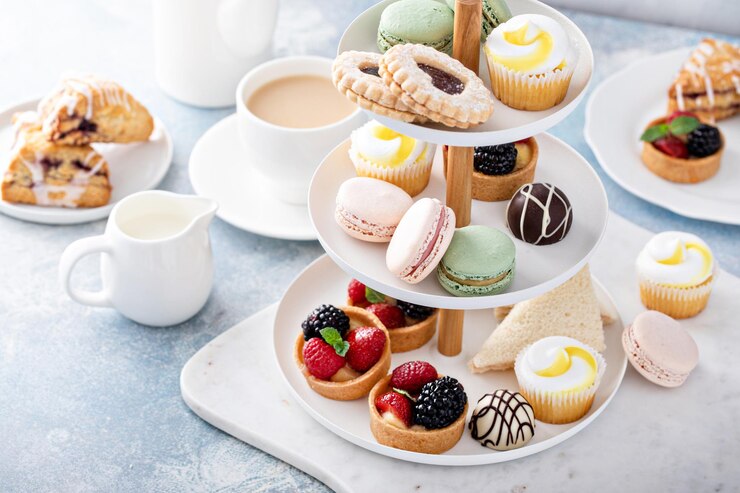
Afternoon tea offers an excellent opportunity to experiment with tea and food pairings. A balanced menu should include a mixture of sweet and savoury options, with teas that complement each course.
Consider this simple menu:
First course: Light savoury foods
Serve cucumber sandwiches, egg mayonnaise sandwiches and small cheese pastries with white tea or green tea.
Second course: Richer savoury foods
Offer smoked salmon sandwiches, mini quiches and savoury scones with English Breakfast tea or oolong tea.
Third course: Sweet treats
Finish with fruit tarts, shortbread, chocolate biscuits and small cakes. Earl Grey, rooibos or chamomile tea will complement these desserts.
Offer milk, lemon and honey separately so guests can adjust their drinks according to their preferences. Avoid adding too many strongly flavoured foods to one menu, as they can make it difficult to appreciate the different teas.
Pairing tea with sweet and savoury foods is a simple way to improve your meals and discover new flavour combinations. Black tea works particularly well with rich pastries, chocolate desserts, cheese and savoury sandwiches because of its bold character. Green tea complements lighter dishes such as sushi, grilled fish, fresh vegetables and fruit-based desserts. White tea suits delicate foods, while oolong tea offers enough variety to accompany both sweet pastries and roasted savoury dishes. Herbal infusions such as peppermint, chamomile, ginger and rooibos provide even more options for different tastes and occasions. When choosing a pairing, consider the strength of the tea, the sweetness of the food and the ingredients used in each dish. Experiment with different combinations, adjust your brewing methods and serve a variety of flavours to find the pairings you enjoy most. With a little practice, you can create balanced tea menus for everyday snacks, relaxed afternoons and special gatherings.