
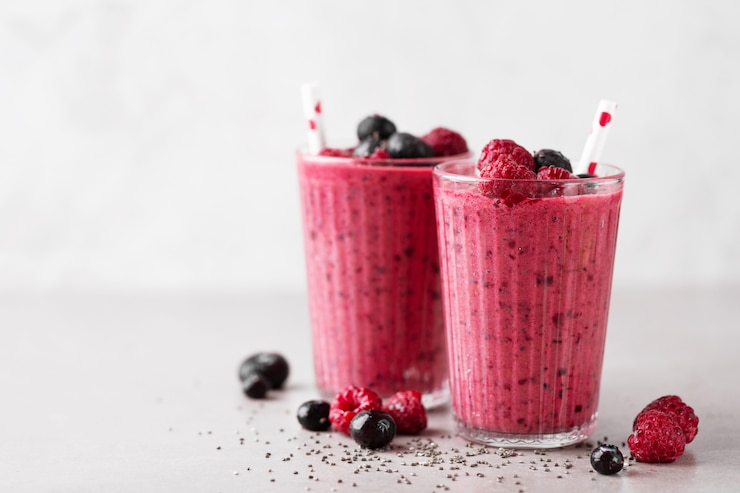
Smoothies offer a simple way to enjoy fresh fruit while adding more variety to your daily diet. The best smoothie blends combine fruits with different flavours, textures and natural sweetness to create a satisfying drink. Some fruits make smoothies thick and creamy, while others add a refreshing tang or a burst of tropical flavour. Choosing the right combination can turn a basic fruit drink into a delicious breakfast, snack or post-workout treat. You can also pair fruit with yoghurt, milk, seeds or nut butter to create a more filling blend. Whether you prefer classic berry smoothies or tropical combinations, a few well-chosen ingredients can make all the difference. These 12 fruits are excellent choices for making flavourful smoothies at home.
Fresh fruit works well in smoothies, but frozen fruit can be just as useful and often gives your drink a thicker consistency. Bananas, berries, mangoes and avocados blend particularly well because they create a smooth texture without requiring complicated preparation. Citrus fruits and pineapples bring acidity that balances naturally sweet ingredients. Apples, pears and peaches offer milder flavours that pair easily with other fruits. You can experiment with different combinations to find the flavours and textures you enjoy most. The recipes below include simple ingredients and practical instructions to help you make delicious fruit smoothies using everyday kitchen equipment.
1. Bananas
Bananas are among the best fruits for smoothies because they add natural sweetness and a thick, creamy texture. Their mild flavour works well with almost any other fruit, making them a useful base for countless combinations. Ripe bananas are particularly suitable because they blend easily and contain more natural sweetness than less ripe ones.
Frozen banana slices create an ice-cream-like consistency without the need for additional ice. They pair especially well with strawberries, blueberries, peanut butter, cocoa powder and cinnamon. Bananas also help balance tart ingredients such as raspberries and citrus fruits.
Banana and Peanut Butter Smoothie
Ingredients:
- 1 large ripe banana
- 250 ml milk of your choice
- 2 tablespoons smooth peanut butter
- 2 tablespoons plain yoghurt
- ½ teaspoon ground cinnamon
- 1 teaspoon honey, optional
- 4 ice cubes
Method:
- Peel the banana and break it into smaller pieces.
- Add the banana, milk, peanut butter and yoghurt to a blender.
- Sprinkle in the cinnamon and add the honey if you prefer a sweeter smoothie.
- Blend until completely smooth.
- Add the ice cubes and blend again until thick and creamy.
- Pour into a glass and serve immediately.
This smoothie works well as a filling breakfast or an afternoon snack. For a thicker consistency, use frozen banana slices and reduce the amount of milk slightly.
2. Strawberries
Strawberries bring a sweet, slightly tangy flavour and an appealing colour to smoothies. Their juicy texture makes them easy to blend with milk, yoghurt and other fruits. Fresh strawberries work particularly well during the warmer months, while frozen strawberries provide a convenient option throughout the year.
Strawberries pair beautifully with bananas, mangoes, peaches and blueberries. Their natural acidity also balances creamy ingredients such as yoghurt and avocado. Remove the green tops before blending and wash fresh strawberries thoroughly.
Strawberry and Banana Smoothie
Ingredients:
- 1 cup fresh or frozen strawberries
- 1 ripe banana
- 200 ml milk
- 100 ml plain or vanilla yoghurt
- 1 teaspoon honey, optional
- ½ teaspoon vanilla extract
- 4 ice cubes, if using fresh fruit
Method:
- Wash the strawberries and remove their green tops.
- Peel the banana and cut it into chunks.
- Add the strawberries, banana, milk and yoghurt to a blender.
- Add the vanilla extract and honey.
- Blend until smooth and creamy.
- Add ice if needed and blend briefly before serving.
For a richer strawberry flavour, use frozen strawberries and vanilla yoghurt. You can also add a tablespoon of oats to make the smoothie more substantial.
3. Mangoes
Mangoes are ideal for tropical smoothies because they have a naturally sweet flavour and a thick, juicy texture. Ripe mango flesh blends into a smooth consistency and gives drinks a vibrant golden colour. You can use fresh mango during the season or frozen mango chunks for convenience.
Mangoes work particularly well with bananas, pineapples, oranges and passion fruit. Their sweetness also balances tart ingredients such as plain yoghurt and lime juice. Choose mangoes that give slightly when pressed and have a fragrant smell near the stem.
Tropical Mango and Pineapple Smoothie
Ingredients:
- 1 cup ripe mango pieces
- ½ cup pineapple chunks
- ½ banana
- 200 ml coconut milk
- 100 ml plain yoghurt
- 1 tablespoon fresh lime juice
- 4 ice cubes
Method:
- Peel the mango and remove the flesh from the stone.
- Cut the pineapple into small chunks if using fresh fruit.
- Add the mango, pineapple and banana to a blender.
- Pour in the coconut milk and add the yoghurt.
- Add the lime juice and blend until smooth.
- Add the ice cubes and blend again until chilled.
This smoothie has a naturally tropical flavour that works well for breakfast or a refreshing afternoon drink. Add a little extra lime juice if you prefer a sharper taste.
4. Pineapples
Pineapples give smoothies a refreshing sweet-and-tangy flavour. Their juicy flesh adds plenty of fruit flavour without making the drink too heavy. They also combine well with creamy ingredients that soften their acidity.
Pineapple pairs particularly well with mango, banana, strawberries and coconut. Fresh pineapple gives a bright flavour, while frozen chunks help create a thicker smoothie. Remove the tough central core before blending if you want a smoother result.
Pineapple and Coconut Smoothie
Ingredients:
- 1 cup fresh or frozen pineapple chunks
- ½ banana
- 200 ml coconut milk
- 100 ml plain yoghurt
- 1 teaspoon honey, optional
- 1 tablespoon fresh lime juice
- 4 ice cubes, if using fresh pineapple
Method:
- Prepare the pineapple by removing the skin and tough core.
- Add the pineapple and banana to a blender.
- Pour in the coconut milk and add the yoghurt.
- Add the lime juice and honey if needed.
- Blend until the mixture becomes smooth.
- Add ice if desired and blend once more before serving.
For an extra tropical flavour, add a few fresh mint leaves. You can also replace the yoghurt with more coconut milk for a dairy-free version.
5. Blueberries
Blueberries are a popular smoothie ingredient because they have a mild sweetness and a slightly tart flavour. They blend easily and give drinks a deep purple-blue colour. Their small size means you can add them directly to the blender without much preparation.
Blueberries taste excellent with bananas, strawberries, raspberries and peaches. They also pair well with oats, yoghurt and almond milk. Frozen blueberries are especially useful because they thicken smoothies while keeping the fruit flavour concentrated.
Blueberry and Vanilla Smoothie
Ingredients:
- 1 cup fresh or frozen blueberries
- 1 ripe banana
- 200 ml milk
- 100 ml plain or vanilla yoghurt
- ½ teaspoon vanilla extract
- 2 tablespoons rolled oats
- 1 teaspoon honey, optional
Method:
- Add the blueberries and banana to a blender.
- Pour in the milk and yoghurt.
- Add the vanilla extract and rolled oats.
- Blend until the mixture is smooth.
- Taste and add honey if necessary.
- Blend briefly again and serve chilled.
The oats give this smoothie a thicker texture and make it more suitable as a breakfast option. For a colder drink, use frozen blueberries and a frozen banana.
6. Avocados
Avocados are different from most smoothie fruits because they have a mild flavour and a naturally creamy texture. They contain very little sweetness, which makes them useful for balancing strongly flavoured fruits. Their smooth flesh creates a rich consistency without the need for ice cream or large amounts of yoghurt.
Avocados pair well with bananas, mangoes, strawberries and cocoa powder. They also work with lime juice and leafy greens for a refreshing green smoothie. Choose a ripe avocado with flesh that feels soft but not mushy.
Creamy Avocado and Banana Smoothie
Ingredients:
- ½ ripe avocado
- 1 ripe banana
- 200 ml milk
- 100 ml plain yoghurt
- 1 teaspoon honey
- 1 tablespoon fresh lime juice
- 4 ice cubes
Method:
- Cut the avocado in half and remove the stone.
- Scoop the flesh into a blender.
- Peel the banana and add it to the avocado.
- Pour in the milk and add the yoghurt.
- Add the honey and lime juice.
- Blend until completely smooth.
- Add the ice cubes and blend again before serving.
The banana provides sweetness while the avocado gives the smoothie its creamy texture. Add a little more lime juice if you want a fresher, sharper flavour.
7. Peaches
Peaches have a gentle sweetness and a delicate flavour that works well in both simple and more complex smoothies. Their soft flesh blends easily and creates a smooth, slightly thick drink. Ripe peaches are best because they have more flavour and are easier to prepare.
Peaches pair nicely with strawberries, mangoes, bananas and oranges. They also work particularly well with vanilla yoghurt, cinnamon and milk. If fresh peaches are unavailable, use frozen peach slices.
Peach and Strawberry Smoothie
Ingredients:
- 1 cup sliced peaches
- ½ cup strawberries
- ½ banana
- 150 ml milk
- 100 ml vanilla yoghurt
- ½ teaspoon vanilla extract
- 4 ice cubes, if using fresh fruit
Method:
- Wash the peaches and strawberries.
- Remove the peach stones and strawberry tops.
- Cut the fruit into smaller pieces.
- Add the peaches, strawberries and banana to a blender.
- Pour in the milk and add the yoghurt and vanilla extract.
- Blend until smooth and creamy.
- Add ice if needed and blend again.
This combination has a balanced sweetness and a soft fruity flavour. Add a pinch of cinnamon for a warmer taste.
8. Oranges
Oranges add a bright citrus flavour and refreshing acidity to smoothies. Their juice helps loosen thick mixtures while their natural sweetness balances stronger fruit flavours. You can use peeled orange segments or freshly squeezed orange juice, depending on the consistency you prefer.
Oranges pair well with mangoes, strawberries, bananas and pineapples. They also work with carrots and ginger for a more distinctive smoothie. Remove as much of the white pith as possible if you want to reduce bitterness.
Orange and Mango Smoothie
Ingredients:
- 1 large orange, peeled and segmented
- ¾ cup ripe mango pieces
- ½ banana
- 100 ml plain yoghurt
- 100 ml cold water or orange juice
- 1 teaspoon fresh lime juice
- 4 ice cubes
Method:
- Peel the orange and separate it into segments.
- Remove any visible seeds.
- Add the orange segments, mango and banana to a blender.
- Add the yoghurt and cold water or orange juice.
- Pour in the lime juice.
- Blend until smooth.
- Add the ice cubes and blend again before serving.
This smoothie is especially refreshing when served cold. Use water instead of orange juice if you prefer a less sweet drink.
9. Apples
Apples provide a crisp, mildly sweet flavour that works well in smoothies. They are firmer than many other fruits, so cutting them into small pieces helps the blender process them evenly. You can leave the skin on after washing the apple thoroughly, or peel it for a smoother texture.
Green apples have a sharper flavour, while red varieties tend to be sweeter. Apples pair particularly well with bananas, pears, berries and cinnamon. They also work with oats and yoghurt for a breakfast-style smoothie.
Apple and Cinnamon Smoothie
Ingredients:
- 1 medium apple
- 1 ripe banana
- 200 ml milk
- 100 ml plain yoghurt
- 2 tablespoons rolled oats
- ½ teaspoon ground cinnamon
- 1 teaspoon honey, optional
- 4 ice cubes
Method:
- Wash the apple and remove the core.
- Cut it into small pieces.
- Peel the banana and break it into chunks.
- Add the apple, banana, milk and yoghurt to a blender.
- Add the rolled oats and cinnamon.
- Blend until smooth.
- Taste and add honey if needed, then blend briefly again.
For a thicker smoothie, use a frozen banana and reduce the milk slightly. A pinch of nutmeg also works well with the apple and cinnamon.
10. Pears
Pears have a delicate sweetness and a soft, juicy texture when ripe. They are less acidic than many other fruits, which makes them useful in smoothies with stronger ingredients. Their mild flavour allows other ingredients, such as ginger, berries and cinnamon, to stand out.
Pears pair well with bananas, apples, blueberries and spinach. Choose ripe pears that yield slightly when pressed near the stem. If the pear is firm, allow it to ripen at room temperature before using it.
Pear and Ginger Smoothie
Ingredients:
- 1 ripe pear
- ½ banana
- 200 ml milk
- 100 ml plain yoghurt
- ½ teaspoon freshly grated ginger
- 1 tablespoon rolled oats
- 1 teaspoon honey, optional
- 4 ice cubes
Method:
- Wash the pear and remove its core.
- Cut the pear into small pieces.
- Peel the banana and add it to a blender with the pear.
- Pour in the milk and add the yoghurt.
- Add the grated ginger and rolled oats.
- Blend until smooth and creamy.
- Add honey if needed and serve chilled.
The ginger adds a gentle warmth that balances the pear’s mild sweetness. Start with a small amount of ginger and increase it if you enjoy a stronger flavour.
11. Raspberries
Raspberries bring a distinctive sweet-and-tart flavour to smoothies. Their soft texture makes them easy to blend, although their small seeds remain noticeable in some drinks. They add a bright pink colour and work particularly well with creamy ingredients.
Raspberries pair beautifully with strawberries, blueberries, bananas and peaches. Their tartness also balances sweet ingredients such as honey and ripe mango. Frozen raspberries are a convenient choice and help create a thicker smoothie.
Raspberry and Banana Smoothie
Ingredients:
- 1 cup fresh or frozen raspberries
- 1 ripe banana
- 200 ml milk
- 100 ml plain or vanilla yoghurt
- 1 tablespoon honey
- ½ teaspoon vanilla extract
- 4 ice cubes, if using fresh raspberries
Method:
- Wash fresh raspberries gently and allow them to drain.
- Peel the banana and cut it into chunks.
- Add the raspberries and banana to a blender.
- Pour in the milk and add the yoghurt.
- Add the honey and vanilla extract.
- Blend until smooth.
- Add ice if needed and blend again before serving.
If you prefer a smoother drink, pour the blended mixture through a fine sieve to remove some of the raspberry seeds. You can also combine raspberries with strawberries for a sweeter flavour.
12. Watermelons
Watermelon is an excellent choice for light, refreshing smoothies. Its high water content creates a naturally juicy drink without requiring much additional liquid. The flavour is mild and sweet, making it easy to combine with other summer fruits.
Watermelon pairs well with strawberries, mangoes, oranges and fresh mint. It works best when chilled or frozen because its high water content can make smoothies quite thin. Remove the seeds before blending if you are using seeded watermelon.
Watermelon and Strawberry Smoothie
Ingredients:
- 1½ cups seedless watermelon cubes
- ½ cup strawberries
- 1 tablespoon fresh lime juice
- 4 fresh mint leaves
- ½ banana, optional
- 4 ice cubes
Method:
- Remove the watermelon rind and cut the flesh into cubes.
- Wash the strawberries and remove their tops.
- Add the watermelon and strawberries to a blender.
- Add the lime juice and mint leaves.
- Include the banana if you prefer a thicker smoothie.
- Blend until smooth.
- Add ice and blend briefly before serving.
This smoothie is ideal for hot days when you want something light and fruity. Use frozen watermelon cubes to create a colder, thicker drink without diluting the flavour.
How to Choose the Best Fruit Combinations for Smoothies
The secret to a good smoothie is balancing sweetness, acidity and texture. Combining fruits with different characteristics helps prevent your drink from tasting too sweet or too sharp.
Consider these combinations when creating your own blends:
- Banana and strawberry: A classic combination with natural sweetness and a creamy texture.
- Mango and pineapple: A tropical blend with plenty of sweetness and refreshing acidity.
- Blueberry and banana: A smooth, mildly sweet combination with a rich fruit flavour.
- Peach and orange: A bright, refreshing blend with gentle sweetness.
- Apple and pear: A mild combination that works well with cinnamon or ginger.
- Raspberry and mango: A balance of tart berries and sweet tropical fruit.
- Watermelon and strawberry: A light, juicy combination for warmer weather.
- Avocado and banana: A creamy blend with a mild flavour and thicker consistency.
You do not need to use many fruits in one smoothie. Two or three complementary fruits often create a better result than combining several competing flavours.
Tips for Making Smoothies at Home
A few simple techniques can improve the flavour and consistency of your homemade smoothies.
Use Ripe Fruit
Ripe fruit generally has a sweeter flavour and softer texture. This makes it easier to blend and reduces the need for added sweeteners. If your bananas or mangoes are becoming very ripe, peel and freeze them in portions for future smoothies.
Freeze Fruit for a Thicker Texture
Frozen fruit helps create a thick, chilled smoothie without relying on large amounts of ice. Bananas, berries, mangoes, peaches and pineapple freeze particularly well. Cut larger fruits into small pieces before freezing and store them in airtight freezer bags or containers.
Add Liquid Gradually
Start with less liquid than you think you need. Blend the fruit first, then add more milk, water or juice until you reach your preferred consistency. This prevents your smoothie from becoming too thin.
Choose Your Base Carefully
Milk creates a creamy smoothie, while water produces a lighter drink. Coconut milk adds a tropical flavour, and plain yoghurt gives the mixture a thicker consistency with a slight tang. You can also use unsweetened almond milk, oat milk or soy milk.
Limit Added Sweeteners
Ripe fruit often provides enough sweetness on its own. Taste your smoothie before adding honey, sugar or syrup. If it needs more sweetness, add a few extra pieces of ripe banana or mango.
Blend in the Right Order
Add liquid to the blender first, followed by softer ingredients and then frozen fruit. This helps the blades move more easily and reduces the chance of ingredients becoming trapped around them. Stop the blender and scrape down the sides if necessary.
How to Prepare Smoothies Ahead of Time
Preparing fruit in advance makes it easier to enjoy smoothies during busy mornings. Wash, peel and cut your chosen fruit into individual portions. Place the portions in labelled freezer bags or airtight containers and store them in the freezer.
You can prepare smoothie packs with combinations such as banana and strawberry, mango and pineapple or blueberry and banana. When you are ready to make a smoothie, add the frozen fruit to your blender with your chosen liquid and yoghurt.
For the best flavour and texture, drink freshly blended smoothies soon after preparation. If you need to store one briefly, pour it into an airtight container and refrigerate it. Shake or stir it before drinking because the ingredients may separate while standing. Avoid leaving fruit smoothies at room temperature for extended periods.
Making Your Smoothies More Filling
Fruit smoothies can be part of a satisfying meal when you combine fruit with ingredients that provide protein, fibre and healthy fats. Plain yoghurt, milk and soy milk add protein and create a creamy texture. Rolled oats and chia seeds increase the fibre content, while peanut butter and almond butter add richness.
Try these additions:
- Plain Greek yoghurt for extra protein and a thick consistency.
- Rolled oats for fibre and a more substantial breakfast.
- Chia seeds for fibre and a thicker texture.
- Peanut butter for a rich flavour that pairs well with banana.
- Ground flaxseed for additional fibre.
- Spinach for a mild-flavoured addition that works well with banana and mango.
Start with small quantities when adding seeds, oats or nut butter. Too many additions can overpower the fruit flavours or make the smoothie excessively thick. Add a little extra liquid if the mixture becomes difficult to blend.
The best fruits for smoothies offer a variety of flavours, textures and natural sweetness that make homemade drinks enjoyable and easy to prepare. Bananas and avocados create creamy blends, while strawberries, blueberries and raspberries add colour and refreshing berry flavours. Mangoes, pineapples and oranges bring tropical sweetness and acidity, while peaches, apples and pears offer milder options for everyday combinations. Watermelon provides a light, juicy base that works particularly well with strawberries and mint. You can use fresh or frozen fruit, depending on the season and the consistency you prefer. With simple additions such as yoghurt, milk, oats and nut butter, you can turn these fruit combinations into satisfying breakfasts or convenient snacks. Experiment with the 12 fruits and recipes in this guide to discover your favourite smoothie blends and make fresh, flavourful drinks at home.