Ensuring that your children receive a balanced and nutritious diet is essential for their growth, development, and overall well-being. By including a variety of nutrient-rich foods in their meals and snacks, you can support their physical health, cognitive function, and immune system. In this article, we’ll explore the top 10 foods to include in your kids’ diet to promote optimal health and vitality.
- Fruits and Vegetables:
Fruits and vegetables are packed with essential vitamins, minerals, and antioxidants that are crucial for your child’s growth and development. Aim to include a variety of colorful options such as berries, citrus fruits, leafy greens, carrots, and bell peppers in their daily diet. - Whole Grains:
Whole grains are an excellent source of fiber, which aids in digestion and helps regulate blood sugar levels. Opt for whole grain options such as brown rice, quinoa, oats, and whole wheat bread and pasta to provide sustained energy for your kids throughout the day. - Lean Protein:
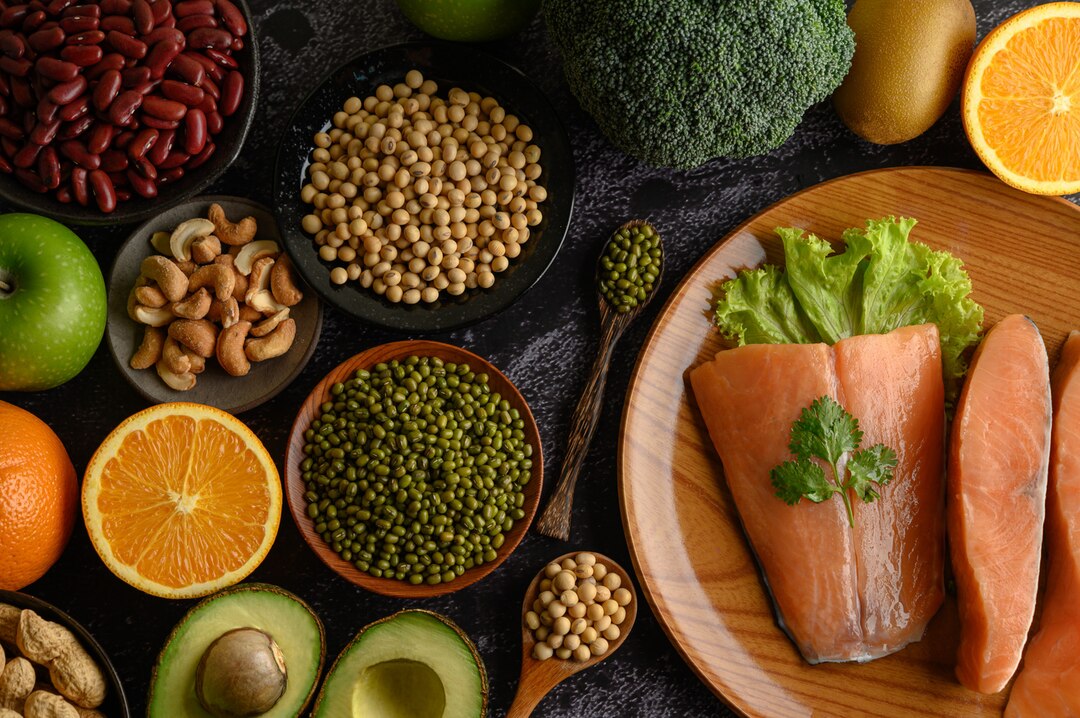
Protein is essential for muscle growth, repair, and overall development. Include lean protein sources such as skinless poultry, lean cuts of beef or pork, fish, eggs, tofu, and legumes in your kids’ meals to ensure they get an adequate amount of this important nutrient. - Dairy or Dairy Alternatives:
Dairy products such as milk, yogurt, and cheese are rich in calcium, which is crucial for bone health and development. If your child is lactose intolerant or follows a dairy-free diet, opt for fortified dairy alternatives such as almond milk, soy milk, or fortified plant-based yogurts. - Healthy Fats:
Healthy fats are essential for brain development and function. Include sources of healthy fats such as avocados, nuts, seeds, nut butters, and fatty fish like salmon and tuna in your kids’ diet to support their cognitive health and overall well-being. - Legumes:
Legumes such as beans, lentils, chickpeas, and peas are excellent sources of plant-based protein, fiber, vitamins, and minerals. Incorporate legumes into soups, stews, salads, and pasta dishes to add a nutritious boost to your kids’ meals. - Berries:
Berries such as strawberries, blueberries, raspberries, and blackberries are packed with antioxidants, vitamins, and fiber. These colorful fruits make for delicious and nutritious snacks or additions to breakfast cereal, yogurt, or smoothies. - Eggs:
Eggs are a nutrient-rich food that provides high-quality protein, vitamins, and minerals such as vitamin D and choline. Serve eggs boiled, scrambled, or as omelets for a nutritious and versatile meal option that kids love. - Nuts and Seeds:
Nuts and seeds are nutrient-dense snacks that provide healthy fats, protein, fiber, vitamins, and minerals. Offer a variety of nuts and seeds such as almonds, walnuts, chia seeds, and pumpkin seeds as a crunchy and satisfying snack or as toppings for yogurt, oatmeal, or salads. - Water:
Last but not least, water is essential for hydration and overall health. Encourage your kids to drink plenty of water throughout the day to stay hydrated and support their bodily functions.
By incorporating these top 10 nutrient-rich foods into your kids’ diet, you can ensure that they receive the essential nutrients they need for growth, development, and overall health. With a balanced and varied diet that includes fruits, vegetables, whole grains, lean protein, dairy or dairy alternatives, healthy fats, legumes, berries, eggs, nuts, seeds, and plenty of water, you can set your kids up for a lifetime of good health and well-being.