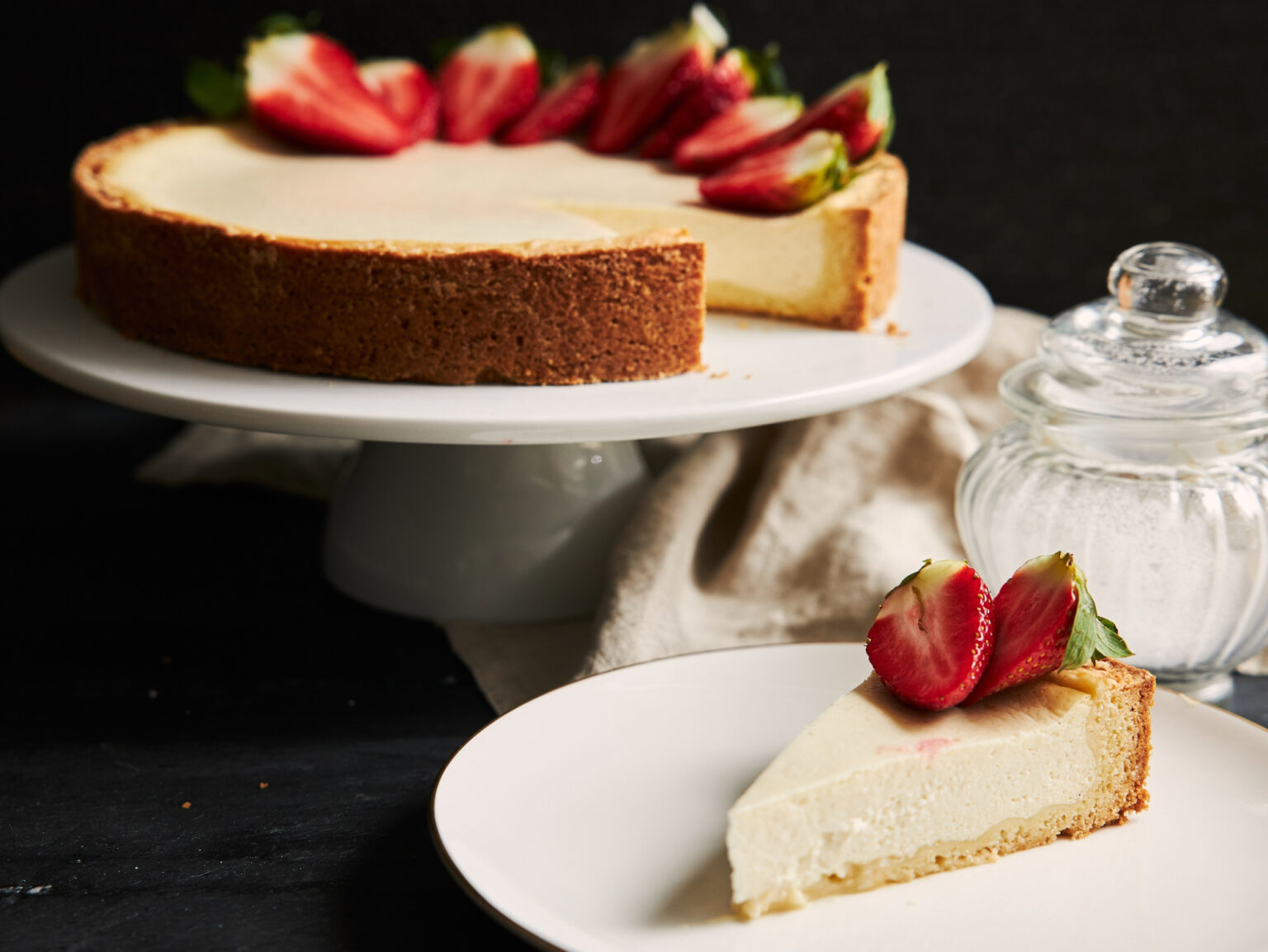
Cheesecake is a dessert that combines creamy richness with a delicate crust, making it a favorite for many. When it comes to preparing cheesecake, you typically have two main options: baked or no-bake. Both methods produce delicious results, but they differ in taste, texture, preparation time, and presentation. Understanding the strengths of each style can help you choose the right cheesecake for your occasion and personal preference.
Baked Cheesecake: Rich, Dense, and Classic
Baked cheesecake is known for its dense, creamy texture and rich flavor. It is made by mixing cream cheese, sugar, eggs, and sometimes sour cream or heavy cream, then baking slowly in the oven. Baking allows the eggs to set the filling, giving it a firm structure that holds slices perfectly. The slow cooking process also deepens the flavor, producing a slightly caramelized top with a smooth, velvety mouthfeel.
Tips for a perfect baked cheesecake:
- Bake in a water bath to prevent cracking and ensure even cooking.
- Use room-temperature cream cheese for a smooth batter.
- Cool gradually and refrigerate for several hours before serving to maintain structure.
No-Bake Cheesecake: Light, Creamy, and Quick
No-bake cheesecake is set using gelatin or whipped cream instead of eggs and oven baking. This method results in a lighter, creamier texture that feels airy and soft. No-bake cheesecakes often have a refreshing taste, making them ideal for warm weather or quick dessert preparation. They are easier and faster to make, requiring refrigeration instead of baking, which also eliminates the risk of cracks forming on the surface.
Tips for a perfect no-bake cheesecake:
- Ensure gelatin is fully dissolved before adding to the cream mixture.
- Use chilled cream cheese for better structure.
- Allow sufficient refrigeration time, typically 4–6 hours, for the cheesecake to set properly.
Comparing Taste and Texture
- Taste: Baked cheesecakes have a richer, more developed flavor due to the caramelization that occurs during baking. No-bake cheesecakes have a fresher, lighter flavor, often more tangy if lemon juice or sour cream is added.
- Texture: Baked cheesecakes are dense and firm, ideal for precise slicing. No-bake cheesecakes are soft, creamy, and mousse-like, giving a more delicate mouthfeel.
- Preparation: Baked versions require more attention, time, and precise oven control. No-bake versions are simpler, faster, and more forgiving, making them accessible for beginner bakers.
When to Choose Baked vs No-Bake
Choose baked cheesecake when you want a classic, rich dessert that holds its shape for elegant serving. Opt for no-bake cheesecake for light, refreshing desserts, especially during hot weather or when you need a quick, fuss-free preparation. Both styles can be enhanced with toppings such as fruit compote, chocolate ganache, or caramel, but the base flavor and texture will differ significantly.
Both baked and no-bake cheesecakes have their merits, and the winner depends on personal preference and occasion. Baked cheesecake offers dense, luxurious richness, while no-bake cheesecake provides light, creamy freshness. Understanding the differences in taste, texture, and preparation can help you select the perfect version for your dessert table. Whether you prefer the classic indulgence of baked cheesecake or the easy, airy appeal of no-bake cheesecake, both are delicious ways to enjoy this iconic dessert.