
Leftovers often get overlooked, yet they hold real potential for saving time, money, and effort in the kitchen. Instead of reheating the same meal, you can transform leftovers into something new and exciting. With a few simple techniques and added ingredients, yesterday’s food becomes a fresh dish that feels intentional and satisfying. Learning how to reuse leftovers effectively helps reduce food waste while keeping your meals varied and flavorful.
Turn Roasted Vegetables Into Hearty Bowls
Roasted vegetables can easily become the base of a new meal. Combine them with cooked rice, quinoa, or couscous, then add a simple dressing or sauce. A drizzle of olive oil, lemon juice, and herbs can refresh the flavors instantly. You can also add a protein like beans, eggs, or shredded chicken to make the dish more filling. This approach creates a balanced meal with minimal effort.
Transform Cooked Meat Into Wraps and Sandwiches
Leftover chicken, beef, or lamb works well in wraps and sandwiches. Slice or shred the meat, then pair it with fresh vegetables and a flavorful spread. Use flatbread, rolls, or tortillas for variety. Adding sauces like yogurt dressing, mustard, or chutney can completely change the taste profile. This method is quick and ideal for lunches or light dinners.
Reinvent Rice Into Fried Rice or Stuffed Peppers
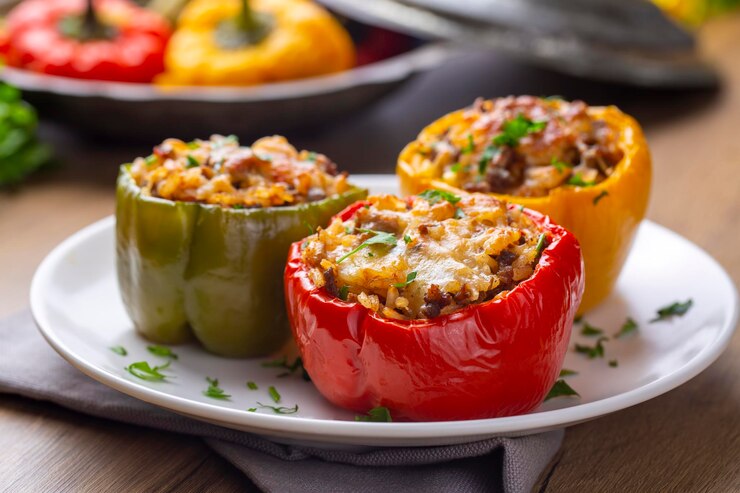
Cooked rice is one of the easiest leftovers to reuse. Turn it into fried rice by sautéing it with vegetables, eggs, and soy sauce. High heat helps create a better texture and flavor. You can also mix rice with herbs and spices, then use it to stuff peppers or tomatoes before baking. These options turn plain rice into a satisfying new dish.
Use Pasta for Bakes or Cold Salads
Leftover pasta can be repurposed into baked dishes or salads. Mix it with sauce, cheese, and vegetables, then bake until golden and bubbling. For a lighter option, toss pasta with olive oil, fresh vegetables, and herbs to create a cold salad. Adding a protein like tuna or chicken makes it more filling. This keeps your meals interesting without starting from scratch.
Convert Bread Into Croutons or French Toast
Stale bread should never go to waste. Cut it into cubes, season, and toast to make crunchy croutons for soups and salads. You can also soak slices in an egg mixture and cook them into French toast for breakfast. Even simple additions like cinnamon, honey, or cheese can elevate the result. This is a practical way to extend the life of bread.
Make Soups and Stews From Mixed Leftovers
Soups are one of the most flexible ways to use leftovers. Combine vegetables, meat, or grains in a pot with stock and seasonings. Let everything simmer so the flavors blend together. You can adjust the texture by blending part of the soup or leaving it chunky. This method works well for clearing out the fridge while creating a comforting meal.
Create Savory Fritters or Patties
Mashed vegetables, rice, or shredded meat can be turned into fritters or patties. Mix with eggs, flour, and spices, then pan-fry until golden. These can be served as snacks, sides, or light meals. A simple dipping sauce adds extra flavor and balance. This technique gives leftovers a completely new texture and appeal.
Blend Fruits Into Smoothies or Desserts
Overripe fruit can be transformed into smoothies, sauces, or quick desserts. Blend fruit with yogurt or milk for a refreshing drink. You can also cook it down into a compote to serve over pancakes or oats. Freezing fruit before blending creates a thicker, creamier texture. This reduces waste while adding natural sweetness to your meals.
Tips for Using Leftovers Safely and Effectively
Store leftovers in airtight containers and refrigerate promptly to maintain freshness. Use them within a few days to ensure quality and safety. Reheat food thoroughly to the correct temperature. Combine leftovers with fresh ingredients to improve taste and texture. Plan meals ahead so you can reuse components intentionally rather than randomly.
Using leftovers creatively helps you save money, reduce waste, and simplify your cooking routine. By turning existing ingredients into new dishes, you keep meals interesting without extra effort. Simple techniques like roasting, mixing, or baking can completely change the way food tastes and feels. With a bit of planning and creativity, leftovers become an opportunity to cook smarter and enjoy more variety in your everyday meals.