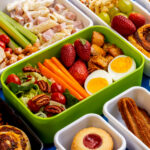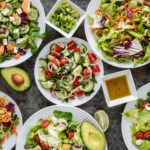

Appetizer boards are a stylish and effortless way to welcome guests and elevate any gathering. They combine a variety of flavors, textures, and colors in a visually appealing arrangement, making them both practical and impressive. Creating a DIY appetizer board allows you to customize ingredients based on preferences, dietary restrictions, and the occasion.
Why Appetizer Boards Work
Appetizer boards provide a casual, interactive way for guests to enjoy small bites while mingling. They require minimal cooking, can accommodate multiple dietary choices, and allow for creative presentation. A well-curated board balances savory, sweet, creamy, crunchy, and fresh elements, keeping the palate engaged.
Essential Components of an Appetizer Board
- Base and Board: Use a wooden cutting board, slate platter, or marble tray as the foundation.
- Proteins: Cured meats, smoked salmon, or roasted chickpeas provide flavor and substance.
- Cheeses: Include a mix of textures and flavors, such as creamy brie, sharp cheddar, or tangy goat cheese.
- Fresh Produce: Grapes, berries, cherry tomatoes, cucumber slices, or carrot sticks add color and freshness.
- Crunchy Elements: Crackers, breadsticks, crostini, or pretzels create texture contrast.
- Condiments: Jams, honey, mustard, or tapenade enhance flavor profiles and offer dipping options.
- Garnishes: Fresh herbs, edible flowers, or nuts elevate presentation and add visual interest.
Step-by-Step Guide to Assembling a Board
- Choose a Theme or Style
Select a theme based on cuisine, flavor profile, or color scheme. Examples include Mediterranean, Italian, or farm-to-table boards. This helps guide ingredient selection and creates a cohesive presentation. - Place Larger Items First
Arrange cheeses, bowls of dips, or meats first. This creates structure and ensures the board is balanced. - Fill in with Smaller Items
Add crackers, fruit, vegetables, and nuts around the larger items. Spread them evenly to create visual appeal. - Add Condiments and Garnishes
Include small bowls of spreads, honey, or olives. Sprinkle fresh herbs or edible flowers to complete the look. - Balance Colors and Textures
Mix colors and textures to make the board visually engaging. Combine soft and firm cheeses, crisp crackers, juicy fruits, and crunchy nuts.
Creative DIY Appetizer Board Ideas
1. Mediterranean Board
- Proteins: Hummus, marinated olives, roasted red peppers
- Cheeses: Feta, halloumi
- Extras: Pita bread, cherry tomatoes, cucumber slices, roasted chickpeas
- Garnish: Fresh parsley and a drizzle of olive oil
2. Classic Charcuterie Board
- Proteins: Salami, prosciutto, pepperoni
- Cheeses: Brie, aged cheddar, blue cheese
- Extras: Crackers, nuts, grapes, dried apricots
- Condiments: Grainy mustard, fig jam
3. Vegetarian Delight Board
- Proteins: Roasted chickpeas, marinated tofu cubes
- Cheeses: Goat cheese, mozzarella balls
- Extras: Cherry tomatoes, bell pepper strips, cucumber, breadsticks
- Condiments: Pesto, balsamic glaze
4. Sweet and Savory Board
- Proteins: Honey-roasted nuts
- Cheeses: Mascarpone, blue cheese, cream cheese
- Extras: Dark chocolate pieces, fresh berries, apple slices
- Condiments: Fig jam, chocolate drizzle
Tips for a Successful Appetizer Board
- Pre-cut fruits and vegetables for easy serving.
- Use a variety of textures and flavors to keep the board interesting.
- Replenish popular items during the gathering to maintain appeal.
- Consider dietary preferences or restrictions of guests.
- Arrange items asymmetrically for a natural, inviting look.
DIY appetizer boards are a versatile, visually appealing, and crowd-pleasing option for entertaining. With careful planning, a balance of flavors and textures, and a touch of creativity, you can create a board that looks impressive while requiring minimal cooking. Whether you choose a charcuterie, Mediterranean, vegetarian, or sweet and savory style, these boards elevate any gathering, making it easy to serve delicious bites that delight every guest.