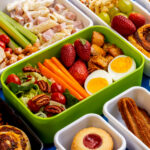

Getting the whole family to eat more vegetables can feel challenging, especially when children have strong preferences about what appears on their plates. The good news is that vegetables do not need to be served as plain side dishes to become a regular part of family meals. Adding grated, roasted, blended or finely chopped vegetables to familiar dishes can make them easier to enjoy without changing the meal completely. Colourful seasonal produce can also add flavour, texture and freshness to everyday breakfasts, lunches and dinners. From pasta sauces and savoury muffins to mince dishes and homemade pizzas, there are countless practical ways to increase vegetable intake. The key is to make vegetables convenient, appealing and familiar while allowing everyone to discover flavours at their own pace. These easy ideas and family-friendly recipes can help you bring more vegetables to the table without turning mealtimes into a battle.
Make Vegetables Part of Familiar Family Favourites
One of the easiest ways to introduce more vegetables is to add them to meals your family already enjoys. If everyone likes spaghetti bolognese, grated carrots, chopped mushrooms, baby marrow and finely diced peppers can be cooked into the mince and tomato sauce. Tacos can include lettuce, tomato, avocado, grated carrot and sweetcorn alongside the usual filling. Homemade burgers can be served with grated carrot and lettuce, while toasted sandwiches can include sliced tomato, spinach or roasted peppers.
Vegetables can also be incorporated into sauces and fillings. Blending cooked carrots, butternut, tomatoes and onions creates a naturally sweet pasta sauce that can be served with meatballs or chicken. Mashed potatoes can be mixed with cooked cauliflower, sweet potato or peas. Scrambled eggs can include spinach, mushrooms, tomatoes and peppers for a more substantial breakfast. These small changes can gradually make vegetables a normal part of everyday meals rather than something that only appears when someone is trying to eat healthier.
Add Grated Vegetables to Mince Dishes
Mince is particularly useful for adding vegetables because it works well with finely chopped or grated ingredients. Grated carrots, baby marrow, mushrooms and onions can cook alongside beef, chicken or lamb mince without overpowering the main flavour. This technique works in pasta sauces, cottage pie, meatballs, burgers, wraps and savoury pies. It is also a practical way to use vegetables that need to be eaten before they become too soft.
Hidden Vegetable Beef Mince Pasta
This family-friendly pasta combines beef mince with several vegetables in a rich tomato sauce. The vegetables are grated or finely chopped so they blend naturally into the sauce while still adding flavour and texture.
Ingredients
- 500 g lean beef mince
- 1 tablespoon olive oil
- 1 onion, finely chopped
- 2 cloves garlic, crushed
- 2 carrots, finely grated
- 1 baby marrow, finely grated
- 150 g mushrooms, finely chopped
- 1 red pepper, finely diced
- 2 tablespoons tomato paste
- 1 can (400 g) chopped tomatoes
- 250 ml beef stock
- 1 teaspoon dried oregano
- 1 teaspoon dried mixed herbs
- 400 g spaghetti or penne
- Salt and black pepper
- 50 g grated Parmesan cheese
- Fresh basil for serving
Method
Heat the olive oil in a large saucepan over medium heat. Add the onion and cook for three to four minutes until softened. Add the garlic and beef mince and cook until the mince is browned, breaking it apart with a wooden spoon as it cooks.
Add the carrots, baby marrow, mushrooms and red pepper. Cook for five to seven minutes, stirring regularly, until the vegetables soften. Stir in the tomato paste, chopped tomatoes, beef stock, oregano and mixed herbs. Season with salt and pepper.
Bring the sauce to a gentle simmer and cook uncovered for 15 to 20 minutes. Meanwhile, cook the pasta according to the packet instructions until tender. Drain the pasta and toss it through the vegetable-rich mince sauce. Serve with grated Parmesan and fresh basil.
Roast Vegetables for Better Flavour
Roasting can completely change the way vegetables taste. High heat encourages vegetables such as butternut, carrots, peppers, cauliflower, broccoli, sweet potato and baby marrow to develop caramelised edges and deeper flavour. This can make them much more appealing than vegetables that have simply been boiled or steamed.
Cut vegetables into similar-sized pieces so they cook evenly. Toss them with a little olive oil, salt, pepper and herbs before roasting at about 200°C until tender and lightly browned. You can serve roasted vegetables alongside chicken or steak, add them to wraps and sandwiches or mix them into salads, couscous and rice dishes. Making a large tray of roasted vegetables can also provide ingredients for several meals throughout the week.
Turn Vegetables Into Family-Friendly Snacks
Vegetables do not have to wait until dinner to make an appearance. Carrot sticks, cucumber, sugar snap peas, cherry tomatoes and sliced peppers can be served with hummus or another favourite dip. Homemade vegetable muffins are another useful option because they can be prepared ahead of time and packed into lunch boxes.
Cheesy Carrot and Baby Marrow Muffins
These savoury muffins are soft, cheesy and easy to pack for school lunches, picnics or afternoon snacks. Grated vegetables add moisture while cheese gives the muffins a familiar savoury flavour.
Ingredients
- 180 g cake flour
- 2 teaspoons baking powder
- ½ teaspoon salt
- ½ teaspoon black pepper
- 2 large eggs
- 180 ml milk
- 80 ml sunflower oil
- 1 medium carrot, finely grated
- 1 medium baby marrow, finely grated and squeezed to remove excess moisture
- 100 g grated cheddar cheese
- 2 tablespoons chopped fresh parsley
- ½ teaspoon dried mixed herbs
Method
Preheat the oven to 180°C and line a 12-hole muffin tin with paper cases. Sift the flour and baking powder into a large bowl and stir in the salt, pepper and mixed herbs. In another bowl, whisk together the eggs, milk and sunflower oil.
Add the grated carrot, baby marrow, cheddar cheese and parsley to the wet ingredients. Pour the wet mixture into the dry ingredients and stir gently until just combined. Do not overmix the batter because this can make the muffins heavy.
Divide the mixture between the muffin cases. Bake for 20 to 25 minutes or until golden and firm in the centre. Allow the muffins to cool for a few minutes before transferring them to a wire rack.
Blend Vegetables Into Soups and Sauces
Soups are one of the simplest ways to serve several vegetables in one meal. A combination of onions, carrots, butternut, tomatoes, sweet potato and spinach can create a filling soup with plenty of flavour. Blending the ingredients produces a smooth texture that may appeal to family members who dislike large pieces of vegetables.
Vegetable-based sauces work in a similar way. Cooked butternut can be blended with milk and cheese to create a creamy pasta sauce. Roasted red peppers can be blended with tomatoes and garlic for a sauce that works with chicken, pasta or rice. Cauliflower can also be cooked and blended with milk, garlic and cheese to create a creamy sauce for pasta or baked dishes.
Creamy Butternut and Carrot Soup
This comforting soup combines naturally sweet butternut and carrots with onion, garlic and mild spices. Serve it with wholegrain bread or toasted sandwiches for a satisfying family lunch or light dinner.
Ingredients
- 1 tablespoon olive oil
- 1 onion, chopped
- 2 cloves garlic, crushed
- 700 g butternut, peeled and cubed
- 3 carrots, peeled and sliced
- 1 medium potato, peeled and cubed
- 1 teaspoon ground cumin
- 1 litre vegetable stock
- 100 ml fresh cream or milk
- Salt and black pepper
- Fresh parsley for serving
Method
Heat the olive oil in a large saucepan. Add the onion and cook for five minutes until softened. Add the garlic, butternut, carrots and potato and stir for two minutes.
Add the cumin and vegetable stock. Bring the mixture to a boil, then reduce the heat and simmer for 25 to 30 minutes or until all the vegetables are tender. Use a stick blender to blend the soup until smooth.
Stir in the cream or milk and season with salt and black pepper. Heat gently without allowing the soup to boil again. Serve warm with fresh parsley and crusty bread.
Add Vegetables to Breakfast
Breakfast is another opportunity to increase vegetable intake without making the meal complicated. Spinach, tomatoes, mushrooms and peppers can be added to scrambled eggs or omelettes. Avocado can be served on toast while grated carrot or baby marrow can be added to savoury breakfast muffins. Leftover roasted vegetables can also be reheated and served with eggs for a filling breakfast.
Easy Vegetable and Cheese Frittata
A frittata is ideal for using vegetables already available in the refrigerator. It can be served hot for breakfast or allowed to cool before being sliced for lunch boxes and picnics.
Ingredients
- 8 large eggs
- 100 ml milk
- 1 tablespoon olive oil
- 1 onion, finely chopped
- 1 red pepper, diced
- 150 g mushrooms, sliced
- 100 g baby spinach
- 150 g cherry tomatoes, halved
- 100 g grated cheddar cheese
- ½ teaspoon dried oregano
- Salt and black pepper
Method
Preheat the oven to 190°C. Whisk the eggs and milk together in a large bowl and season with oregano, salt and pepper.
Heat the olive oil in an ovenproof frying pan. Add the onion, pepper and mushrooms and cook for five to seven minutes until softened. Add the spinach and cook until wilted.
Spread the vegetables evenly across the pan and pour over the egg mixture. Scatter the cherry tomatoes and grated cheese over the top. Cook on the stovetop for two minutes before transferring the pan to the oven.
Bake for 12 to 15 minutes or until the eggs are completely set and the cheese is golden. Allow the frittata to rest for five minutes before slicing and serving.
Build Better Wraps and Sandwiches
Wraps and sandwiches provide plenty of space for adding vegetables without making an entirely different meal. Lettuce, cucumber, tomato, grated carrot, shredded cabbage, avocado and roasted peppers can all work with chicken, tuna, eggs, cheese or leftover meat. A flavourful spread such as hummus, avocado dressing or yoghurt sauce can help bring everything together.
For children, try offering several vegetable choices rather than adding every ingredient to the sandwich automatically. This allows them to choose which vegetables they want to try. You can also cut sandwiches into small triangles, strips or fun shapes to make them easier to handle. Keeping prepared vegetables in airtight containers in the refrigerator makes assembling lunches much quicker.
Add Vegetables to Homemade Pizza
Pizza is a useful family meal because vegetables can be added alongside ingredients that everyone already enjoys. Tomato sauce provides a vegetable base while toppings such as mushrooms, peppers, spinach, sweetcorn, tomatoes, onions, olives and roasted butternut can add extra variety. Mozzarella cheese helps bring everything together and can make unfamiliar vegetables more appealing.
Easy Vegetable and Chicken Pizza
This homemade pizza uses a simple dough and a colourful selection of vegetables. You can change the toppings according to what your family enjoys or what is available in the refrigerator.
Ingredients
For the dough
- 500 g bread flour
- 7 g instant yeast
- 1 teaspoon salt
- 1 teaspoon sugar
- 300 ml warm water
- 2 tablespoons olive oil
For the topping
- 150 ml tomato pasta sauce
- 200 g cooked chicken, shredded
- 1 red pepper, sliced
- 100 g mushrooms, sliced
- 100 g sweetcorn
- 1 small red onion, thinly sliced
- 100 g baby spinach
- 200 g grated mozzarella cheese
- 1 teaspoon dried oregano
- Fresh basil for serving
Method
Combine the flour, yeast, salt and sugar in a large bowl. Add the warm water and olive oil and mix until a soft dough forms. Knead for eight to 10 minutes until smooth and elastic.
Place the dough in a lightly oiled bowl, cover and leave in a warm place for about one hour or until doubled in size. Preheat the oven to 220°C. Divide the dough into two portions and roll each one into a thin round.
Spread tomato sauce over each base and arrange the chicken, pepper, mushrooms, sweetcorn, onion and spinach over the top. Sprinkle with mozzarella and oregano. Bake for 12 to 15 minutes or until the crust is golden and the cheese has melted. Finish with fresh basil before slicing.
Make Vegetable Rice and Grain Dishes
Rice, couscous, barley and other grains can provide an easy base for adding vegetables. Frozen peas and sweetcorn require almost no preparation and can be stirred into rice during cooking. Grated carrots, chopped peppers and finely sliced cabbage can also be added to fried rice. Roasted vegetables can be mixed with couscous and served with grilled chicken or fish.
Easy Chicken and Vegetable Rice
This one-pan meal combines chicken, rice and colourful vegetables in a simple seasoned broth. It works well for busy evenings because everything cooks in the same pan.
Ingredients
- 500 g boneless chicken thighs, cut into bite-sized pieces
- 1 tablespoon olive oil
- 1 onion, chopped
- 2 cloves garlic, crushed
- 1 red pepper, diced
- 2 carrots, diced
- 150 g frozen peas
- 250 g long-grain rice
- 600 ml chicken stock
- 1 teaspoon paprika
- ½ teaspoon dried thyme
- Salt and black pepper
- 2 tablespoons chopped fresh parsley
Method
Heat the olive oil in a large deep frying pan. Add the chicken and cook until lightly browned. Remove the chicken and set aside.
Add the onion, garlic, pepper and carrots to the same pan. Cook for five minutes until the vegetables begin to soften. Stir in the rice, paprika and thyme.
Return the chicken to the pan and pour in the chicken stock. Season with salt and pepper. Bring to a simmer, cover and cook for 18 to 20 minutes until the rice is tender and the chicken is cooked through.
Stir in the frozen peas during the final five minutes of cooking. Check the seasoning and scatter fresh parsley over the top before serving.
Keep Frozen and Prepared Vegetables on Hand
Having vegetables ready to use can make a significant difference on busy days. Frozen peas, sweetcorn, spinach, mixed vegetables and broccoli can be stored for quick additions to soups, stews, rice dishes and pasta. Frozen vegetables are also useful when certain fresh produce is unavailable or when you want to reduce food waste.
Fresh vegetables can be prepared in advance as well. Wash and chop carrots, peppers, cucumber and other suitable vegetables and store them in sealed containers in the refrigerator. Keep delicate ingredients such as leafy greens separate so they remain fresh. Having prepared vegetables available makes it easier to assemble salads, lunch boxes and quick dinners when everyone is hungry.
Let Children Help With Vegetable Preparation
Children are often more interested in food when they have a role in preparing it. Depending on their age, they can wash vegetables, tear spinach, mix salad ingredients, arrange pizza toppings or help measure ingredients. Older children can learn basic chopping skills under appropriate supervision.
Avoid turning every meal into a test of whether a child will eat a particular vegetable. Offer vegetables regularly and allow family members to become familiar with different flavours and textures over time. Serving a vegetable alongside a familiar favourite can make the experience less intimidating. A relaxed approach can help make vegetables a normal part of family meals rather than a source of conflict.
Reduce Vegetable Waste With Smart Meal Planning
Planning meals around vegetables that are already in the refrigerator can help reduce waste and save money. Carrots can be used in soups, mince sauces, salads and muffins while leftover roasted vegetables can become fillings for wraps, omelettes or grain bowls. Soft tomatoes can be cooked into sauces rather than thrown away. Extra spinach can be added to eggs, pasta or smoothies where appropriate.
Try choosing a few vegetables at the beginning of the week and planning several meals around them. This makes shopping more organised and reduces the temptation to buy more produce than the family can use. Leftovers should be cooled and stored safely in airtight containers and used within an appropriate period. A little planning can make vegetable-rich family meals both practical and economical.
Adding more vegetables to family meals does not require completely changing the way your household eats. Familiar favourites such as pasta, pizza, rice, wraps, mince dishes and eggs can all provide simple opportunities to include more colourful produce. Grating, roasting, blending and finely chopping vegetables can help create textures and flavours that work naturally with everyday family foods. Keeping fresh, frozen and prepared vegetables available also makes it easier to put together nutritious meals when time is limited. Children can gradually become more comfortable with vegetables when they see them regularly and have opportunities to choose and prepare them. The recipes in this article provide practical starting points for breakfasts, lunches, snacks and dinners that the whole family can enjoy. With a little creativity and planning, vegetables can become an enjoyable and natural part of family meals rather than an ingredient that causes arguments at the dinner table.