
Some of the most memorable dishes are not found in trendy restaurants or modern recipe books, but in the handwritten notebooks, family kitchens and community cookbooks where recipes have been passed down for generations. Many traditional local recipes were created around affordable seasonal ingredients, leftovers and whatever was readily available in the pantry or garden. Over time, busy lifestyles, changing food preferences and the popularity of convenience foods have pushed some of these dishes out of everyday cooking. Yet these forgotten recipes often offer exactly what many home cooks want today: affordable ingredients, satisfying flavours and practical cooking methods. They also provide an opportunity to preserve food traditions while adapting them to modern kitchens and contemporary tastes. From comforting vegetable dishes to old-fashioned puddings and savoury bakes, these recipes deserve another place on the family dinner table. Bringing them back does not mean cooking exactly as previous generations did, but rather rediscovering what made these dishes special and giving them a fresh lease on life.
Why Traditional Recipes Are Worth Rediscovering
Traditional recipes often tell stories about the people and communities that created them. They reflect local ingredients, seasonal produce, cooking techniques and the realities of feeding families on a budget.
Many older recipes also make excellent use of inexpensive ingredients. Beans, mealie meal, potatoes, pumpkin, cabbage, dried fruit, bread and seasonal vegetables can be transformed into satisfying dishes without requiring a long shopping list.
There is also a practical lesson in traditional cooking. Earlier generations often had to minimise waste, so stale bread could become pudding, leftover meat could become a pie filling and vegetables could be turned into fritters or savoury bakes.
These principles remain useful today. You can recreate traditional dishes while reducing food waste and keeping grocery costs under control.
Traditional Pumpkin Fritters
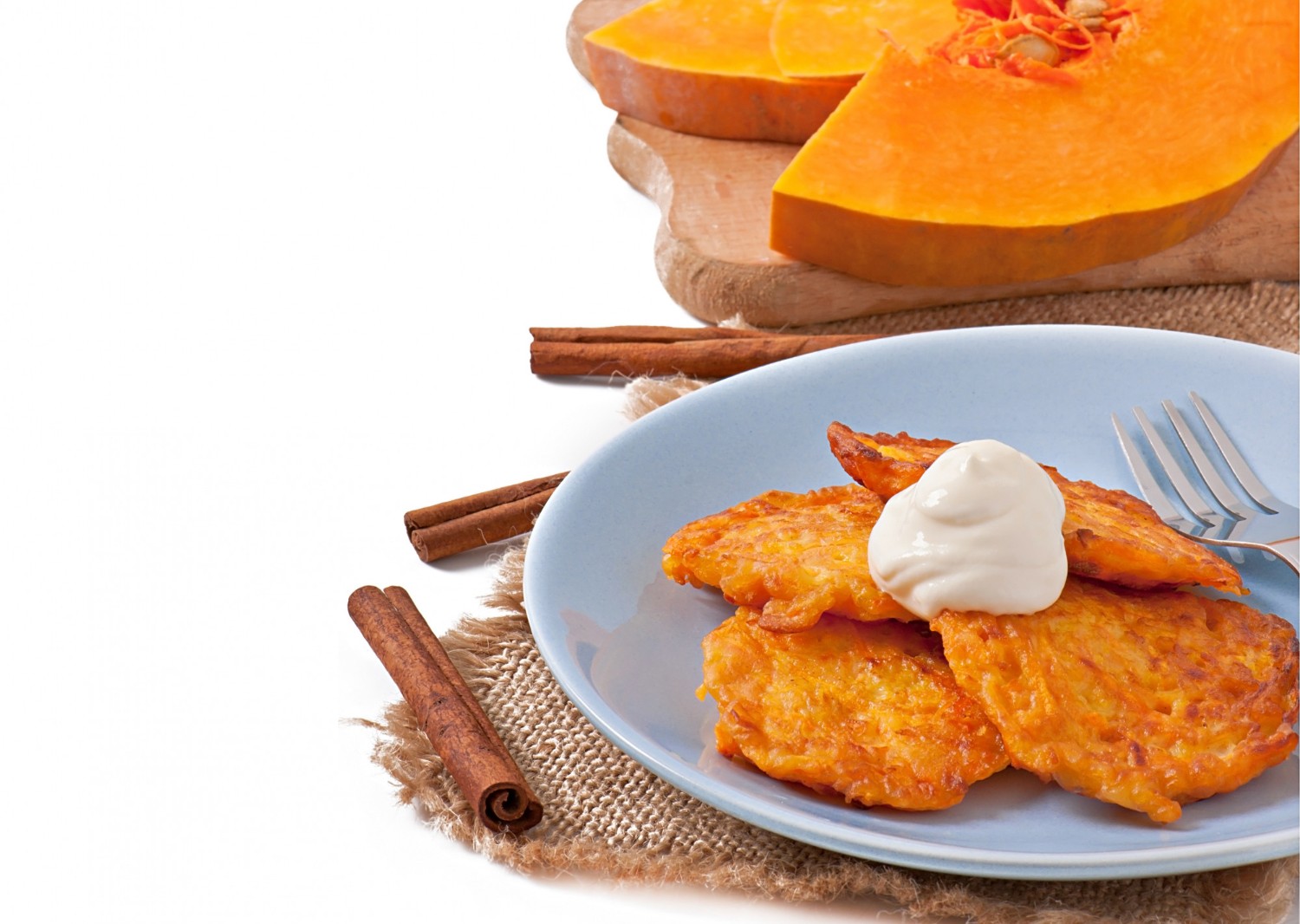
Pumpkin fritters are a classic example of a simple ingredient becoming a comforting dish. They can be served as a side dish with a savoury meal or enjoyed as a sweet treat with cinnamon and sugar.
Ingredients
Serves 4.
- 500 g cooked pumpkin, well drained
- 1 large egg
- 120 g cake flour
- 5 ml baking powder
- 2.5 ml ground cinnamon
- 1 ml ground nutmeg
- 30 g sugar
- Pinch of salt
- Vegetable oil, for frying
For serving:
- 40 g sugar
- 5 ml ground cinnamon
Method
Place the cooked pumpkin in a large bowl.
Mash until smooth.
Add the egg and mix well.
Add the flour, baking powder, cinnamon, nutmeg, sugar and salt.
Mix until a soft batter forms.
Heat approximately 5 mm of oil in a frying pan over medium heat.
Drop spoonfuls of the batter into the hot oil.
Flatten each fritter slightly.
Fry for approximately 2 to 3 minutes on each side until golden brown and cooked through.
Transfer to a plate lined with paper towel.
Combine the sugar and cinnamon.
Sprinkle over the warm fritters.
Serve immediately.
Samp and Beans With a Modern Touch
Samp and beans is a hearty dish built around simple ingredients. It remains an excellent example of how dried grains and legumes can create a filling meal.
Traditional versions can take time because the samp and beans require soaking and slow cooking. You can make the process easier by preparing a large batch in advance and freezing portions.
Ingredients
Serves 6.
- 300 g samp
- 200 g dried sugar beans
- 1 onion, finely chopped
- 2 cloves garlic, crushed
- 2 carrots, diced
- 1 red pepper, diced
- 2 tomatoes, chopped
- 15 ml vegetable oil
- 5 ml mild curry powder
- 2.5 ml smoked paprika
- 1 litre vegetable stock
- Salt and black pepper
- 30 g fresh parsley or coriander
Method
Soak the samp and beans separately according to the package instructions.
Drain and rinse.
Place them in a large pot with fresh water.
Cook until tender, which may take several hours depending on the ingredients.
Drain and set aside.
Heat the oil in a large saucepan.
Add the onion, carrots and red pepper.
Cook for approximately 6 minutes.
Add the garlic, curry powder and paprika.
Cook for 30 seconds.
Add the tomatoes and cook for 5 minutes.
Add the cooked samp and beans.
Pour in the stock.
Simmer for approximately 15 minutes.
Season with salt and black pepper.
Garnish with fresh herbs.
Serve as a main meal or alongside vegetables and grilled meat.
Old-Fashioned Tomato Bredie
Tomato bredie is a comforting stew that demonstrates how inexpensive ingredients can produce deep flavour when cooked slowly. The traditional dish is associated with Cape cooking and is especially satisfying when served with rice.
Ingredients
Serves 6.
- 800 g stewing lamb
- 1 onion, chopped
- 2 cloves garlic, crushed
- 1.2 kg ripe tomatoes, chopped
- 500 g potatoes, peeled and quartered
- 30 ml vegetable oil
- 5 ml ground coriander
- 5 ml ground cumin
- 2.5 ml ground cinnamon
- 2 bay leaves
- 500 ml beef or lamb stock
- Salt and black pepper
- Fresh coriander, optional
Method
Heat the oil in a large heavy-based pot.
Season the lamb with salt and pepper.
Brown the meat in batches.
Remove and set aside.
Add the onion to the pot.
Cook until softened.
Add the garlic, coriander, cumin and cinnamon.
Cook for 30 seconds.
Return the lamb to the pot.
Add the tomatoes, bay leaves and stock.
Bring to a gentle simmer.
Cover and cook for approximately 1½ hours.
Add the potatoes.
Continue cooking for another 30 to 40 minutes until the meat and potatoes are tender.
Season to taste.
Remove the bay leaves.
Garnish with fresh coriander.
Serve with steamed rice.
Savoury Bread Pudding
Bread pudding is often associated with sweet desserts, but stale bread can also be transformed into a savoury bake. This is an excellent recipe for reducing food waste while creating an inexpensive lunch or light dinner.
Ingredients
Serves 6.
- 300 g day-old bread, cubed
- 4 large eggs
- 500 ml milk
- 150 g grated cheddar
- 1 onion, finely chopped
- 1 red pepper, diced
- 100 g cooked spinach, squeezed dry
- 100 g cooked mushrooms, sliced
- 5 ml dried mixed herbs
- Salt and black pepper
- 20 g butter, for greasing
Method
Preheat the oven to 180°C.
Grease a medium baking dish with butter.
Place the bread cubes in the dish.
Add the onion, pepper, spinach and mushrooms.
Whisk together the eggs and milk.
Season with herbs, salt and black pepper.
Pour the egg mixture over the bread.
Press the bread down gently so it absorbs the liquid.
Sprinkle the cheddar over the top.
Allow to stand for 10 minutes.
Bake for approximately 35 to 40 minutes until golden and set.
Rest for 5 minutes before serving.
Traditional Potato Cakes
Potatoes have long been a useful way to stretch meals and use leftovers. Potato cakes are particularly good when you have leftover mashed potatoes that would otherwise sit in the refrigerator.
Ingredients
Makes 8 to 10.
- 500 g cold mashed potatoes
- 1 large egg
- 50 g grated cheddar
- 2 spring onions, finely sliced
- 30 g fresh parsley, chopped
- 60 g cake flour
- 2.5 ml smoked paprika
- Salt and black pepper
- 30 ml vegetable oil
Method
Place the mashed potatoes in a bowl.
Add the egg, cheddar, spring onions and parsley.
Add the flour and paprika.
Season with salt and black pepper.
Mix until combined.
Shape the mixture into small patties.
Heat the oil in a frying pan.
Cook the potato cakes in batches for approximately 3 to 4 minutes per side.
Turn carefully.
Cook until golden and crisp.
Serve warm with a fresh salad or vegetables.
Sweetcorn Fritters
Sweetcorn fritters are quick to prepare and make an excellent breakfast, lunch or side dish. They can be served with tomato relish, avocado, yoghurt or a spicy sauce.
Ingredients
Makes approximately 10 fritters.
- 300 g sweetcorn kernels
- 2 large eggs
- 80 g cake flour
- 5 ml baking powder
- 2 spring onions, sliced
- 30 g fresh coriander, chopped
- 2.5 ml smoked paprika
- Salt and black pepper
- 30 ml vegetable oil
Method
Place the sweetcorn in a large bowl.
Add the eggs and mix.
Add the flour and baking powder.
Stir in the spring onions, coriander and paprika.
Season with salt and black pepper.
Mix until combined.
Heat the oil in a frying pan.
Add spoonfuls of the mixture.
Flatten gently.
Cook for approximately 2 to 3 minutes on each side.
Transfer to paper towel.
Serve warm with tomato relish, avocado or plain yoghurt.
Melktert With a Homemade Cinnamon Crust
Melktert remains one of the best-known traditional desserts, but it is worth revisiting because its delicate custard filling and cinnamon flavour work beautifully for family gatherings.
Ingredients
For the crust:
- 200 g cake flour
- 80 g caster sugar
- 100 g butter, softened
- 1 large egg
- 2.5 ml baking powder
- Pinch of salt
For the filling:
- 750 ml milk
- 50 g butter
- 100 g caster sugar
- 40 g cornflour
- 30 g cake flour
- 3 large eggs
- 5 ml vanilla extract
- 5 ml ground cinnamon
Method
Preheat the oven to 180°C.
Grease a 23 cm tart dish.
Beat the butter and sugar until creamy.
Add the egg.
Mix well.
Add the flour, baking powder and salt.
Mix until a soft dough forms.
Press the dough evenly into the tart dish.
Bake for approximately 15 minutes.
Remove and allow to cool slightly.
For the filling, heat the milk and butter in a saucepan.
Mix the sugar, cornflour and flour in a bowl.
Add the eggs and whisk until smooth.
Gradually add some of the warm milk while whisking.
Return the mixture to the saucepan.
Cook over medium heat while stirring continuously.
Continue until the mixture thickens.
Remove from the heat.
Stir in the vanilla.
Pour the custard into the prepared crust.
Sprinkle generously with cinnamon.
Refrigerate until completely set.
Serve chilled.
Malva Pudding for Family Gatherings
Malva pudding is a classic baked dessert known for its soft texture and sweet, buttery sauce. It is particularly satisfying when served warm with custard, cream or ice cream.
Ingredients
For the pudding:
- 150 g cake flour
- 150 g caster sugar
- 2 large eggs
- 15 ml apricot jam
- 5 ml bicarbonate of soda
- 250 ml milk
- 30 g melted butter
- 15 ml vinegar
- 5 ml vanilla extract
- Pinch of salt
For the sauce:
- 125 g butter
- 150 g caster sugar
- 125 ml cream
- 125 ml hot water
- 5 ml vanilla extract
Method
Preheat the oven to 180°C.
Grease a medium baking dish.
Beat the eggs and sugar until pale and slightly thickened.
Add the apricot jam.
Mix well.
Combine the flour, bicarbonate of soda and salt.
Add the dry ingredients gradually.
Add the milk, melted butter, vinegar and vanilla.
Mix until smooth.
Pour into the prepared dish.
Bake for approximately 35 to 40 minutes.
Meanwhile, prepare the sauce.
Place the butter, sugar, cream and hot water in a saucepan.
Heat gently until the butter melts and the sugar dissolves.
Stir in the vanilla.
Remove the pudding from the oven.
Pour the warm sauce over the hot pudding.
Allow it to absorb for several minutes.
Serve warm with custard, cream or vanilla ice cream.
Old-Fashioned Milk Tart Pancakes
Traditional flavours can also be incorporated into modern recipes. These pancakes take inspiration from milk tart by combining a creamy cinnamon filling with soft homemade pancakes.
Ingredients
For the pancakes:
- 200 g cake flour
- 10 ml baking powder
- 30 g caster sugar
- 2 large eggs
- 300 ml milk
- 30 g melted butter
- 5 ml vanilla extract
- Pinch of salt
For the filling:
- 250 ml milk
- 20 g cornflour
- 30 g caster sugar
- 1 egg yolk
- 5 ml vanilla extract
- 2.5 ml cinnamon
Method
Whisk together the flour, baking powder, sugar and salt.
Add the eggs, milk, melted butter and vanilla.
Whisk until smooth.
Heat a lightly greased frying pan.
Pour in enough batter to cover the base.
Cook until bubbles appear.
Flip and cook the other side.
Repeat with the remaining batter.
For the filling, combine the milk, cornflour, sugar and egg yolk in a saucepan.
Cook over medium heat while stirring continuously.
Continue until thickened.
Remove from the heat.
Add vanilla and cinnamon.
Spread the filling over each pancake.
Fold or roll the pancakes.
Dust with additional cinnamon before serving.
How to Bring Forgotten Recipes Back
Reviving traditional recipes does not mean every ingredient or technique has to remain unchanged. You can adapt recipes to suit modern kitchens while keeping the flavours and character that make them recognisable.
Use an air fryer for fritters where appropriate. Reduce sugar in desserts if you prefer a less sweet finish. Add extra vegetables to savoury dishes or replace part of the meat with legumes.
You can also simplify preparation by using canned beans, frozen vegetables or ready-prepared stock.
The important thing is to preserve the spirit of the dish while making it practical for the way you cook today.
Cooking With Seasonal Ingredients
Many traditional recipes were shaped by seasonal availability. This remains a useful approach because seasonal produce can bring better flavour and variety to your meals.
Pumpkin, cabbage, spinach, tomatoes, apples, pears and other seasonal ingredients can form the foundation of inexpensive dishes.
Instead of trying to find a rare ingredient, look at what is available at your local market and adapt the recipe accordingly.
This approach also encourages you to cook with ingredients when they are plentiful rather than relying on imported or expensive alternatives.
Making Traditional Recipes More Family-Friendly
Some older recipes can be adjusted to appeal to children without losing their identity.
Reduce chilli and strong spices where necessary.
Serve sauces separately so everyone can choose how much they want.
For vegetable dishes, use familiar ingredients alongside less familiar ones.
Traditional fritters, pancakes and baked dishes can also be useful ways to introduce vegetables to younger family members.
Allowing children to help prepare simple parts of the recipe can make traditional food more appealing.
Preserving Recipes for the Next Generation
A recipe can disappear simply because nobody writes it down. If your family has a traditional dish that rarely gets prepared, record the recipe.
Write down ingredient quantities, cooking times and important techniques.
Ask older relatives about how the dish was traditionally prepared.
Take photographs of handwritten recipes before they become damaged.
You can also create a digital family recipe collection.
Preserving these details ensures that traditional cooking knowledge remains available rather than being lost when one generation stops cooking it.
Making Traditional Cooking Affordable
Many forgotten recipes have an advantage that modern convenience foods do not: they were designed around practical household budgets.
Dried beans, lentils, potatoes, grains, vegetables and flour can form the foundation of many meals.
Buy ingredients in larger quantities when prices are favourable and store them correctly.
Cook large batches of stews and beans, then freeze them in meal-sized portions.
Use leftovers creatively instead of throwing them away.
These habits can make traditional recipes useful as part of a modern budget-conscious kitchen.
Forgotten local recipes deserve a place in modern kitchens because they combine cultural history with practical home cooking. Dishes such as pumpkin fritters, samp and beans, tomato bredie, potato cakes and traditional puddings demonstrate how simple ingredients can produce deeply satisfying meals. Many of these recipes also provide useful lessons about reducing waste, stretching ingredients and cooking according to the seasons. Bringing them back does not require you to follow every traditional method exactly, because small adjustments can make them easier to prepare for today’s households. You can reduce preparation time, adjust seasoning, incorporate more vegetables or use convenient ingredients while keeping the defining flavours of the original dish. Recording family recipes and asking older relatives about forgotten cooking methods can also help preserve valuable food traditions for future generations. Most importantly, these dishes deserve to be cooked again rather than remembered only as stories from the past. By putting forgotten local recipes back on the table, you can enjoy affordable, comforting food while keeping generations of culinary knowledge alive.