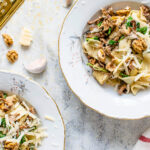

Cooking pasta at home can be simple, but achieving a restaurant-quality result requires attention to detail, timing, and technique. Many home cooks struggle with overcooked noodles, bland sauces, or underseasoned dishes. Restaurant-style pasta is perfectly al dente, coated in flavorful sauces, and balanced with complementary ingredients. By understanding ingredient selection, cooking methods, and finishing techniques, you can recreate pasta dishes that rival your favorite restaurants without leaving your kitchen. This guide provides step-by-step tips to elevate your pasta cooking skills and consistently achieve restaurant-style results.
Choose the Right Pasta
The type of pasta you use affects both texture and flavor. Durum wheat pasta holds its shape and cooks to an ideal al dente texture. Fresh pasta cooks faster and has a delicate, tender texture, while dried pasta is versatile and widely available. Pair pasta shape with sauce type: long, thin noodles like spaghetti or linguine work best with light, oil-based sauces, while thicker noodles like fettuccine or rigatoni hold creamy or chunky sauces.
Use Plenty of Water and Salt
Boiling pasta in a large pot of water allows noodles to cook evenly without sticking. Use approximately 1 liter of water for every 100 grams of pasta. Add a generous amount of salt—about 1–2 tablespoons per 4 liters of water—to enhance flavor. The water should taste like the sea; properly seasoned noodles are essential for restaurant-quality results.
Cook Pasta Al Dente
Follow package instructions for cooking time but taste the pasta 1–2 minutes before the suggested time. Al dente pasta should be tender with a slight bite in the center. Overcooked pasta becomes mushy and loses its ability to absorb sauce effectively. Drain pasta but reserve a cup of cooking water to adjust sauce consistency later.
Prepare a Flavorful Sauce
Restaurant-style pasta relies on rich, well-balanced sauces. Olive oil, garlic, onions, herbs, and spices create a strong flavor base. For creamy sauces, combine dairy or dairy alternatives with seasonings and simmer gently. For tomato-based sauces, cook the tomatoes with garlic, onions, and herbs, allowing the flavors to develop. Adding a splash of pasta water helps the sauce cling to the noodles, creating a cohesive dish.
Combine Pasta and Sauce Properly
Do not pour sauce over drained pasta and serve immediately. Instead, add the pasta to the sauce in a pan and toss over low heat for 1–2 minutes. This allows the pasta to absorb the sauce and ensures each strand or piece is coated evenly. Finish with fresh herbs, grated cheese, or a drizzle of high-quality olive oil for added flavor.
Enhance with Proteins and Vegetables
Restaurant-style pasta often includes proteins like chicken, shrimp, or pancetta, as well as vegetables such as mushrooms, spinach, or bell peppers. Cook proteins separately to the appropriate doneness, then add to the sauce during the final toss. Lightly sautéed vegetables retain texture and color, enhancing both appearance and taste.
Presentation and Finishing Touches
The visual appeal of pasta contributes to its restaurant-quality impression. Use tongs to plate pasta neatly in a nest or spiral. Garnish with fresh herbs, grated cheese, crushed red pepper, or lemon zest. Serve immediately to ensure optimal temperature and texture.
Tips for Consistency
- Measure pasta and sauce ratios accurately to avoid dry or watery dishes.
- Reserve pasta water to adjust sauce thickness.
- Taste and season at every stage for balanced flavor.
- Use fresh, high-quality ingredients whenever possible.
Cooking restaurant-style pasta at home is achievable with careful attention to technique, ingredients, and presentation. By selecting the right pasta, cooking it al dente, preparing flavorful sauces, and combining all components properly, you can consistently create dishes that rival professional kitchens. Mastering these steps allows you to enjoy restaurant-quality pasta in the comfort of your home, impressing family and friends while elevating your everyday meals.