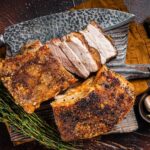

Ostrich meat is a lean, nutrient-rich alternative to traditional red meats. It is low in fat, high in protein, and has a tender texture when cooked properly. With its mild flavor, ostrich can take on a variety of marinades, spices, and cooking techniques. Exploring innovative ways to prepare ostrich brings out its best qualities and makes meals both exciting and healthy.
Grilled Ostrich Steaks
Grilling ostrich steaks is a quick and flavorful option. Marinate the meat in olive oil, garlic, rosemary, and black pepper for at least 30 minutes. Preheat the grill to medium-high and sear each side for 2–3 minutes, depending on thickness. Avoid overcooking, as ostrich meat can become dry. Serve with a side of roasted vegetables or a fresh salad for a light, protein-packed meal.
Ostrich Stir-Fry
Cut ostrich fillets into thin strips and marinate in soy sauce, ginger, and sesame oil. Stir-fry quickly over high heat with vegetables like bell peppers, broccoli, and snow peas. This method keeps the meat tender while infusing it with aromatic flavors. Serve over steamed rice or noodles for a vibrant, healthy dish.
Slow-Cooked Ostrich Stew
For a hearty option, slow-cooked ostrich stew works well. Brown chunks of ostrich meat in a pot, then add onions, carrots, potatoes, and a mix of herbs like thyme and bay leaves. Pour in beef or vegetable stock and simmer for 1.5–2 hours until the meat is tender. The slow cooking process allows the flavors to meld and gives the meat a succulent texture.
Ostrich Burgers
Ostrich mince can be turned into delicious burgers. Mix the mince with finely chopped onions, garlic, herbs, and a pinch of salt and pepper. Form patties and grill or pan-fry for 3–4 minutes per side. Because ostrich is lean, avoid overcooking. Serve on wholegrain buns with fresh toppings, or wrap in lettuce for a low-carb version.
Ostrich Carpaccio
For a sophisticated option, ostrich carpaccio highlights the meat’s tenderness. Slice the ostrich fillet very thinly and arrange on a plate. Drizzle with olive oil, lemon juice, and shaved Parmesan. Add arugula or microgreens for freshness. This preparation emphasizes the subtle flavor of the meat while keeping it raw and delicate.
Tips for Cooking Ostrich
- Avoid overcooking: Ostrich is very lean and dries out easily. Medium-rare is ideal for steaks and fillets.
- Marinate when possible: Marinades add flavor and help retain moisture.
- Pair with bold sauces: Berry, red wine, or balsamic reductions complement the mild taste of ostrich.
- Use proper resting time: Allow meat to rest after cooking to retain juices.
Ostrich meat offers versatility for modern kitchens. From quick grilling to slow-cooked stews, you can explore techniques that highlight its lean, tender qualities. Incorporating innovative methods and flavors ensures that ostrich meat is both exciting and satisfying at every meal.