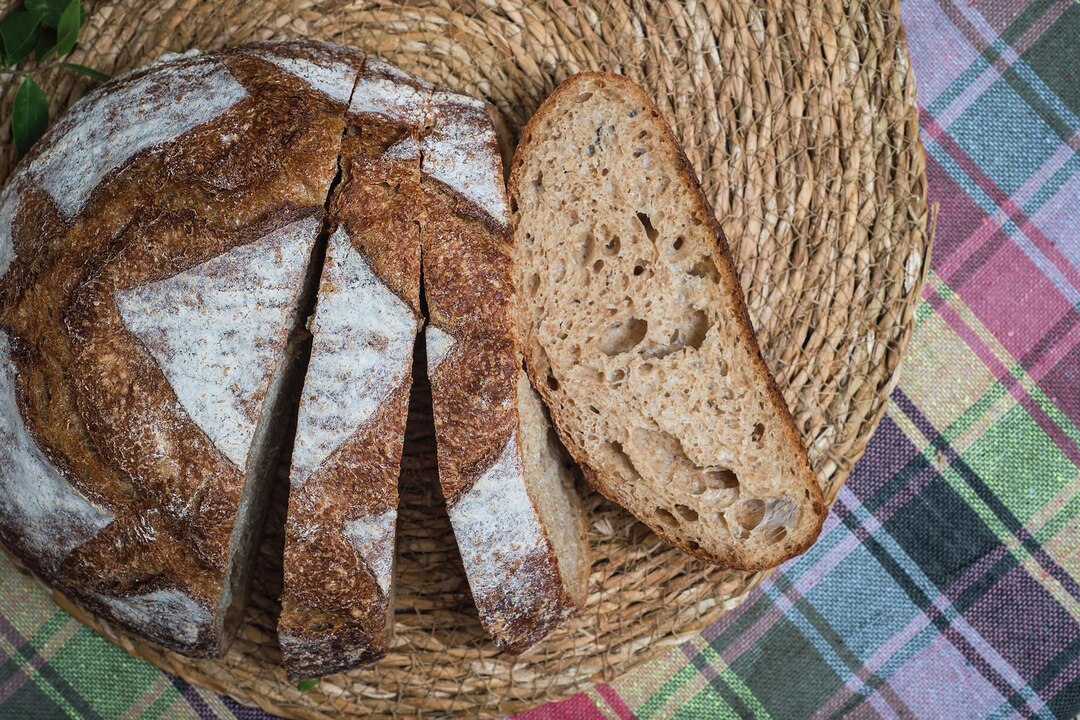
Sourdough bread, with its crusty exterior and chewy crumb, is a culinary delight that has been enjoyed for centuries. Baking the perfect loaf of sourdough bread requires patience, practice, and a deep understanding of the fermentation process. Whether you’re a seasoned baker or new to the world of sourdough, these tips and tricks will help you achieve bakery-quality results every time.
1. Start with a Strong Starter:
A healthy and active sourdough starter is the foundation of great sourdough bread. Feed your starter regularly with equal parts flour and water to keep it vigorous and bubbling. Use your starter at its peak activity for the best results.
2. Use High-Quality Flour:
The quality of your flour greatly impacts the flavor and texture of your sourdough bread. Opt for high-quality bread flour or a combination of bread flour and whole wheat flour for added flavor and nutrition.
3. Practice Proper Hydration:
Achieving the right hydration level in your dough is crucial for developing gluten and achieving the desired texture. Aim for a hydration level between 65% and 75%, adjusting as needed based on the consistency of your starter and flour.
4. Master the Folding Technique:
Instead of traditional kneading, use the folding technique to strengthen the gluten in your dough. After mixing your ingredients, gently stretch and fold the dough several times at regular intervals during the bulk fermentation process.
5. Monitor Fermentation Time:
Pay close attention to the fermentation process to ensure your dough is properly fermented but not over-fermented. The ideal fermentation time can vary based on factors such as room temperature, starter activity, and hydration level. Look for signs of fermentation, such as increased volume, aeration, and a slightly domed surface.
6. Experiment with Temperature:
Temperature plays a significant role in sourdough fermentation. Warmer temperatures speed up fermentation, while cooler temperatures slow it down. Experiment with different fermentation temperatures to control the rate of fermentation and achieve the desired flavor profile in your bread.
7. Preheat Your Oven and Dutch Oven:
To achieve a crispy crust and optimal oven spring, preheat your oven and Dutch oven (or baking vessel) thoroughly before baking. A hot oven creates steam when the bread is first placed inside, which helps to develop a crisp crust and beautiful rise.
8. Score Your Loaf:
Before baking, score the surface of your loaf with a sharp knife or razor blade to control the expansion of the dough and create decorative patterns. A well-executed score allows the bread to expand evenly and prevents it from bursting in unexpected places.
9. Practice Patience:
Good things come to those who wait, and sourdough bread is no exception. Allow your dough ample time to ferment, proof, and develop flavor. Rushing the process can result in subpar bread with a dense crumb and lackluster flavor.
10. Embrace Imperfection:
Sourdough baking is as much art as it is science, and no two loaves will ever be exactly alike. Embrace the beauty of imperfection and enjoy the unique character and flavor of each loaf you bake.
By incorporating these tips and tricks into your sourdough baking routine, you’ll be well on your way to mastering the art of sourdough bread baking. So roll up your sleeves, dust off your flour, and get ready to create delicious, homemade sourdough bread that will delight your senses and impress your friends and family. Happy baking!