
Fresh produce can turn everyday meals into something delicious without requiring complicated techniques or a long list of ingredients. Ripe tomatoes, crisp vegetables, fragrant herbs and naturally sweet fruit each bring their own flavour, colour and texture to the kitchen. When ingredients are fresh and in season, you often need little more than a drizzle of olive oil, a squeeze of lemon or a pinch of seasoning to make them shine. Cooking this way saves time, reduces unnecessary food waste and helps you appreciate the natural qualities of the ingredients on your plate. It can also make everyday cooking more affordable because seasonal fruit and vegetables are often easier to find at reasonable prices. Whether you are preparing a quick lunch, a light dinner or a colourful side dish, simple recipes allow fresh ingredients to take centre stage. These three easy recipes show how to create satisfying meals with minimal effort while letting the natural flavours of fresh produce do most of the work.
Why Fresh Produce Deserves the Spotlight
Fresh fruit and vegetables provide much more than colour on a plate. They offer a variety of flavours, textures and nutrients that can make meals satisfying without relying on heavy sauces or elaborate preparation. Sweet carrots, juicy tomatoes, earthy beetroot and tender leafy greens each have distinctive qualities that become even more enjoyable when prepared in ways that suit them.
The secret is choosing cooking methods that enhance the natural character of each ingredient. Roasting brings out the sweetness of vegetables, while raw ingredients retain their crispness and refreshing flavour. Gentle sautéing softens vegetables without losing all their texture, and simple dressings help brighten a dish without overwhelming it.
Fresh herbs, citrus juice, garlic and good-quality olive oil are useful additions because they complement vegetables rather than disguise them. A handful of chopped parsley can lift a warm vegetable dish, while lemon juice adds brightness to a salad. These small details make it easier to prepare flavourful food without spending hours in the kitchen.
Seasonality also matters. Buying produce when it is plentiful can help reduce grocery costs and encourage variety in your weekly meals. If a recipe calls for one vegetable that is unavailable or expensive, replacing it with another seasonal option often works just as well.
1. One-Tray Roasted Vegetables With Garlic and Fresh Herbs
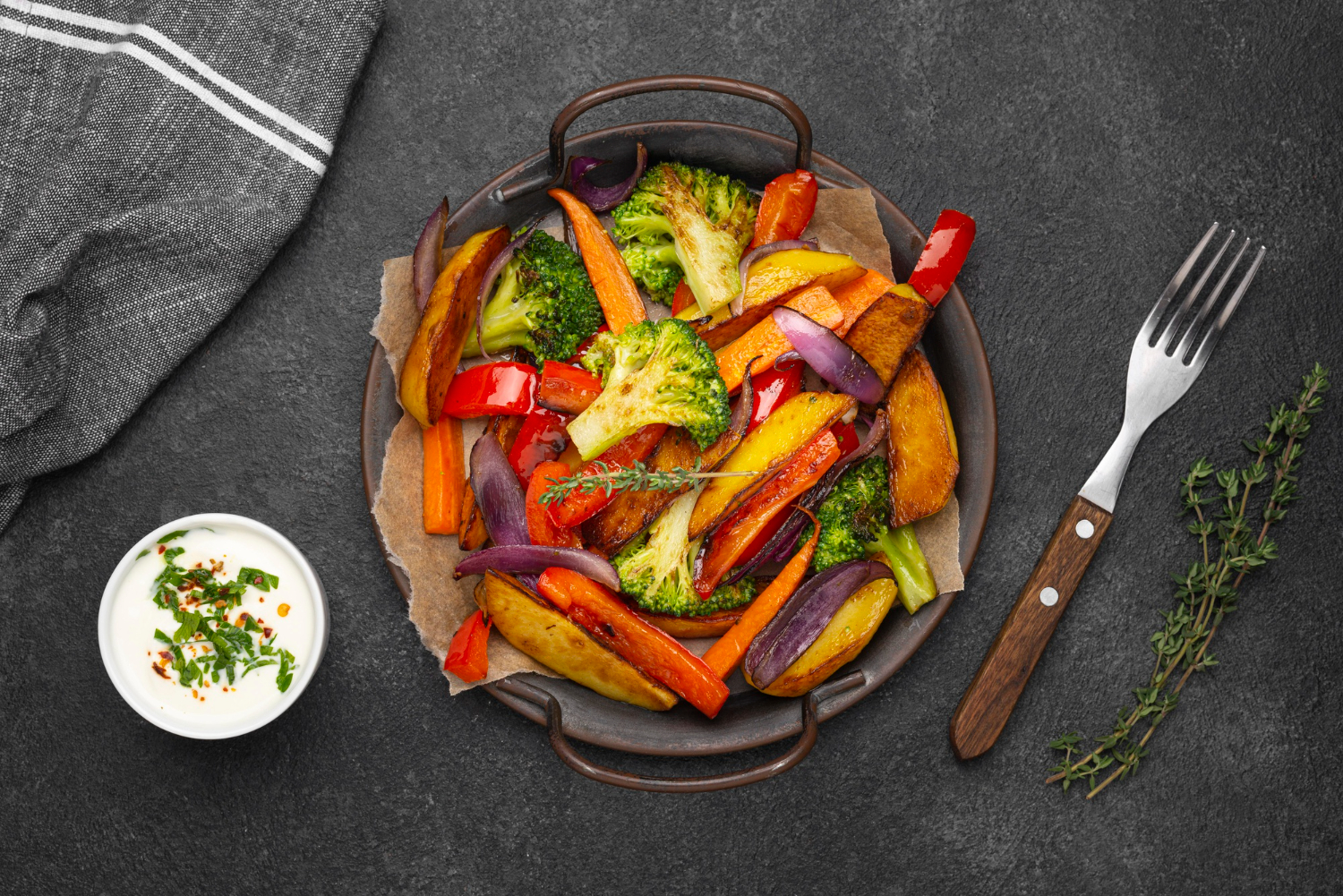
Roasting is one of the easiest ways to make fresh vegetables taste wonderful with very little effort. The oven gently caramelises their natural sugars, creating golden edges and tender centres while concentrating their flavours. Garlic, olive oil and fresh herbs provide just enough seasoning to bring everything together.
This versatile recipe works as a side dish with grilled chicken, fish or meat, but it can also become a satisfying vegetarian meal when served with couscous, rice or creamy butter beans. You can use whatever seasonal vegetables you have available, making it especially useful for clearing out the vegetable drawer.
Ingredients
- 500 g butternut, peeled and cut into bite-sized cubes
- 2 medium carrots, peeled and sliced
- 2 red or yellow bell peppers, deseeded and cut into chunks
- 1 red onion, cut into wedges
- 250 g baby marrows, sliced into thick pieces
- 200 g cherry tomatoes
- 3 tablespoons olive oil
- 3 garlic cloves, finely chopped
- 1 teaspoon dried oregano
- 1 teaspoon smoked paprika
- 2 tablespoons fresh parsley, chopped
- 1 tablespoon fresh lemon juice
- Salt and freshly ground black pepper, to taste
Method
- Preheat the oven to 200°C. Line a large baking tray with baking paper or lightly grease it with olive oil.
- Prepare the butternut, carrots, peppers, red onion and baby marrows, cutting them into similar-sized pieces so they cook more evenly.
- Place the vegetables in a large bowl. Add the olive oil, chopped garlic, oregano, smoked paprika, salt and black pepper.
- Toss everything together until the vegetables are lightly coated in the oil and seasonings.
- Spread the vegetables across the baking tray in a single layer. Avoid overcrowding the tray, as the vegetables will steam rather than roast if they are packed too tightly.
- Roast for 20 minutes, then turn the vegetables with a spatula.
- Add the cherry tomatoes and return the tray to the oven for another 10 to 20 minutes, until the vegetables are tender and lightly caramelised.
- Remove from the oven and drizzle over the lemon juice.
- Scatter the fresh parsley over the vegetables and toss gently before serving.
Tips for Getting the Best Flavour
Cut dense vegetables such as carrots and butternut slightly smaller than softer vegetables so everything finishes cooking at roughly the same time. Keep the tomatoes whole if they are small, allowing them to soften and release their juices without completely losing their shape.
For deeper flavour, leave enough space between the vegetable pieces and use two trays if necessary. If you prefer a little heat, add a pinch of chilli flakes before roasting. A sprinkle of crumbled feta or toasted sunflower seeds just before serving provides a delicious finishing touch.
Easy Ways to Adapt the Recipe
This recipe is flexible enough to suit different seasons and budgets. Replace butternut with sweet potato, use cauliflower instead of baby marrows or add sliced mushrooms during the final 15 minutes of cooking. Broccoli and green beans also work well, although they may need less cooking time than the root vegetables.
For a more substantial meal, serve the roasted vegetables over cooked brown rice or quinoa. You can also toss them with drained chickpeas and a simple lemon dressing for a filling vegetarian lunch.
2. Fresh Tomato, Cucumber and Avocado Salad With Lemon Dressing
When tomatoes are ripe and fragrant, they need very little to become the star of a meal. Combining them with crisp cucumber, creamy avocado and fresh herbs creates a colourful salad that feels refreshing and satisfying. A simple lemon dressing adds acidity, bringing the ingredients together without hiding their natural flavours.
This salad is ideal for warm days, quick lunches, braais and easy weeknight dinners. Because the ingredients require no cooking, it is also a practical choice when you want to spend less time preparing food.
Ingredients
For the Salad
- 400 g ripe tomatoes, cut into wedges
- 1 large cucumber, sliced
- 2 ripe but firm avocados, peeled and diced
- ½ small red onion, thinly sliced
- 50 g baby spinach or mixed salad leaves
- 2 tablespoons fresh parsley, chopped
- 1 tablespoon fresh basil, torn into small pieces
- 80 g feta cheese, crumbled, optional
For the Lemon Dressing
- 3 tablespoons olive oil
- 2 tablespoons fresh lemon juice
- 1 teaspoon honey
- 1 small garlic clove, finely grated
- Salt and freshly ground black pepper, to taste
Method
- Wash the tomatoes, cucumber, spinach and fresh herbs thoroughly. Dry the salad leaves so excess water does not dilute the dressing.
- Cut the tomatoes into wedges and slice the cucumber into rounds or half-moons.
- Peel and dice the avocados just before assembling the salad to help prevent them from discolouring.
- Arrange the spinach or mixed salad leaves on a large serving platter.
- Add the tomatoes, cucumber, avocado and thinly sliced red onion.
- In a small bowl, whisk together the olive oil, lemon juice, honey, grated garlic, salt and black pepper.
- Taste the dressing and adjust the lemon juice or seasoning according to your preference.
- Drizzle the dressing over the salad just before serving.
- Scatter the chopped parsley, fresh basil and crumbled feta over the top.
- Toss gently or leave the ingredients arranged on the platter for a more attractive presentation.
Tips for the Freshest Salad
Choose tomatoes that feel slightly soft when gently pressed and have a fresh, sweet aroma. If your tomatoes are particularly juicy, cut them shortly before serving and avoid adding salt too early, as salt draws out moisture.
Avocados should yield gently to pressure without feeling mushy. If they are very ripe, cut them into slightly larger pieces so they hold their shape when tossed with the other ingredients.
For the best flavour, dress the salad immediately before eating. If you are preparing it in advance, keep the dressing separate and add the avocado at the last minute.
Simple Ingredient Swaps
You can easily adapt this salad using ingredients you already have. Replace cucumber with thinly sliced radishes for a peppery crunch or use yellow and orange tomatoes for extra colour. Fresh coriander can replace parsley, while mint adds a cooling flavour that pairs particularly well with cucumber.
If you want to turn the salad into a complete meal, add grilled chicken, boiled eggs, chickpeas or cooked lentils. Toasted pumpkin seeds or sunflower seeds provide extra crunch without requiring much additional preparation.
For a creamier variation, replace some of the lemon juice with plain yoghurt and a little water to create a light yoghurt dressing. Keep the seasoning simple so the fresh vegetables remain the focus.
3. Quick Spinach and Mushroom Sauté With Lemon and Parmesan
A hot frying pan can transform a handful of fresh vegetables into a deeply flavourful dish in just a few minutes. Mushrooms develop a savoury, golden-brown finish when cooked properly, while spinach wilts quickly and adds colour and freshness. Garlic, lemon and Parmesan provide a simple combination of aroma, brightness and savoury richness.
This sauté is particularly useful when you need a quick side dish but still want something that tastes freshly prepared. It pairs beautifully with eggs, grilled chicken, fish or toasted bread, and it can also be stirred through cooked pasta for an easy meal.
Ingredients
- 300 g fresh mushrooms, sliced
- 200 g baby spinach, washed and dried
- 2 tablespoons olive oil
- 1 tablespoon butter
- 3 garlic cloves, finely chopped
- 1 teaspoon fresh thyme leaves, or ½ teaspoon dried thyme
- 1 tablespoon fresh lemon juice
- 30 g finely grated Parmesan cheese
- Salt and freshly ground black pepper, to taste
Method
- Clean the mushrooms with a damp cloth or paper towel and slice them evenly.
- Heat the olive oil in a large frying pan over medium-high heat.
- Add the mushrooms in a single layer as far as possible. If your pan is small, cook them in batches.
- Leave the mushrooms undisturbed for two to three minutes so they begin to brown, then stir and cook for another three to four minutes until tender and golden.
- Add the butter, chopped garlic and thyme. Stir for about one minute until fragrant, taking care not to burn the garlic.
- Add the spinach in handfuls, allowing each batch to wilt before adding more.
- Cook for another one to two minutes, stirring gently until the spinach is just wilted.
- Remove the pan from the heat and stir in the lemon juice.
- Season with salt and black pepper, then sprinkle the Parmesan over the vegetables.
- Serve immediately while the mushrooms are warm and the spinach retains its bright colour.
Tips for Perfectly Cooked Mushrooms and Spinach
The biggest mistake when cooking mushrooms is overcrowding the pan. Mushrooms naturally release moisture, so giving them enough space helps that moisture evaporate and allows the mushrooms to brown instead of becoming soggy.
Use medium-high heat and avoid stirring too frequently at the beginning. Once the mushrooms have developed colour, add the garlic and butter so they do not burn during the longer cooking time.
Spinach needs very little heat. Add it towards the end and remove the pan from the stove as soon as the leaves have wilted. This helps preserve its colour and prevents the dish from becoming watery.
Delicious Ways to Serve It
Serve the sauté alongside grilled chicken, baked fish or a simple omelette. Spoon it over toasted sourdough bread for a quick lunch, or pile it onto a baked potato with a little extra Parmesan.
For a vegetarian main meal, toss the vegetables with cooked pasta and a splash of the pasta cooking water. The water helps the Parmesan and vegetable juices form a light coating without the need for a heavy cream sauce.
You can also add halved cherry tomatoes during the final few minutes of cooking for a sweeter, juicier variation. If you prefer a richer flavour, a small handful of toasted walnuts works particularly well with the mushrooms and spinach.
How to Choose the Best Fresh Produce
The success of simple produce-led recipes begins with choosing ingredients that are fresh, suitable for the dish and in good condition. You do not need to buy the most expensive vegetables or seek out unusual varieties. Everyday ingredients can taste wonderful when they are ripe, handled correctly and prepared with care.
Use these practical tips when shopping:
- Tomatoes: Look for fruit with a fresh aroma and firm but yielding flesh. Avoid tomatoes with extensive bruising or damaged skin.
- Leafy greens: Choose spinach and salad leaves that look crisp and vibrant rather than wilted, slimy or yellowing.
- Mushrooms: Select mushrooms that are firm and relatively dry, without excessive soft patches or a strong unpleasant smell.
- Avocados: Choose fruit that yields gently to pressure if you plan to use it immediately. Buy firmer avocados if you want them to ripen over the next few days.
- Root vegetables: Choose carrots and butternut that feel firm and have no large soft areas.
- Fresh herbs: Look for leaves with a strong natural fragrance and minimal discolouration.
Buying seasonal produce can also help you discover new flavours while keeping your grocery spending under control. If a particular vegetable is expensive, compare it with other options that are plentiful at the time. Frozen vegetables are also useful alternatives when fresh produce is unavailable or you need ingredients that last longer.
Simple Techniques That Make Fresh Ingredients Taste Better
You do not need complicated cooking skills to get excellent results from fresh produce. A few simple techniques can make a noticeable difference to flavour, texture and appearance.
Roast Instead of Boil
Roasting exposes vegetables to dry heat, allowing their surfaces to caramelise and develop a deeper flavour. This is especially effective for carrots, butternut, beetroot, onions and cauliflower. Toss them lightly in oil, spread them out on a tray and cook until tender with golden edges.
Season in Layers
Salt and pepper help bring out the natural flavour of vegetables, but seasoning should be adjusted throughout the cooking process. Season roasted vegetables before they go into the oven, then taste them again before serving. Fresh lemon juice, herbs or a little grated cheese can provide the final adjustment.
Use Acid to Brighten Flavours
Lemon juice, lime juice and vinegar can make vegetables taste fresher and more balanced. Add a little acid to salads, sautéed greens and roasted vegetables just before serving. Start with a small amount and taste before adding more.
Avoid Overcooking
Different vegetables require different cooking times. Tender greens may need only a minute or two, while dense root vegetables need considerably longer. Cook vegetables until they are tender enough to enjoy while retaining the texture that suits the dish.
Finish With Fresh Herbs
Parsley, basil, coriander, mint and thyme can add freshness and aroma without requiring elaborate sauces. Tender herbs such as basil and parsley are generally best added towards the end of cooking, while sturdier herbs such as thyme can withstand longer cooking times.
How to Reduce Food Waste When Cooking With Fresh Produce
Simple recipes make it easier to use ingredients before they lose their freshness. Planning a few meals around the same vegetables can save money and reduce the amount of food thrown away each week.
For example, buy a bag of baby spinach and use some in the fresh salad, then cook the remainder with mushrooms. Roast a larger tray of carrots, peppers and butternut and use the leftovers in wraps, grain bowls or omelettes the following day. Herbs can be added to salads, dressings, soups and cooked vegetables, helping you use an entire bunch rather than leaving it forgotten in the refrigerator.
Store produce according to its needs. Refrigerate leafy greens in a suitable container with a clean paper towel to absorb excess moisture, and keep cut vegetables covered and chilled. Store whole tomatoes according to their ripeness and intended use, while ripe avocados can be refrigerated to slow further softening.
Use leftovers safely by refrigerating cooked dishes promptly in shallow, covered containers. Most cooked leftovers are best used within three to four days when kept at 4°C or colder. Reheat cooked dishes thoroughly, and discard produce or leftovers that show signs of spoilage.
Planning is just as important as storage. Before shopping, check what you already have and choose recipes that use overlapping ingredients. This simple habit can make everyday cooking more economical while encouraging you to enjoy a wider variety of fresh produce.
Fresh produce can be the foundation of delicious everyday meals when you let its natural flavour, texture and colour take centre stage. These three simple recipes demonstrate how roasting, assembling a fresh salad and quickly sautéing vegetables can create satisfying dishes without complicated preparation or expensive ingredients. The roasted vegetable tray brings out natural sweetness, the tomato and avocado salad offers refreshing freshness and the mushroom and spinach sauté delivers rich savoury flavour in minutes. Each recipe can be adapted to suit seasonal ingredients, personal preferences and whatever you already have in your kitchen. Choosing good-quality produce, using straightforward seasonings and applying the right cooking method will help you achieve excellent results with less effort. Planning meals around fresh ingredients can also reduce food waste, make grocery shopping more economical and encourage more variety in your daily diet. With a few reliable recipes and a willingness to experiment, you can turn simple fruit and vegetables into colourful, flavourful meals that make everyday cooking both easier and more enjoyable.