
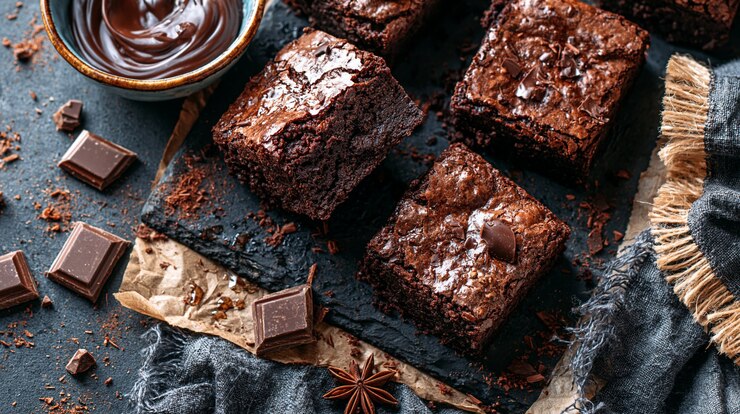
Classic sweet treats hold a special place in our kitchens, bringing back memories of family gatherings, afternoon tea and homemade desserts shared with loved ones. From rich chocolate brownies and buttery biscuits to creamy milk tarts and comforting apple crumbles, these familiar favourites never go out of style. However, even the most traditional recipes can become exciting when you introduce an unexpected flavour twist. A hint of chilli can add warmth to chocolate, fresh herbs can brighten a fruit dessert and a pinch of salt can bring out the sweetness of caramel. These small changes create interesting flavour combinations without taking away the comforting qualities that make classic desserts so appealing. Whether you enjoy baking for your family, entertaining guests or simply treating yourself, experimenting with new ingredients can turn everyday recipes into something memorable. Discover these delicious classic sweet treats with unexpected flavour twists, complete with practical tips and easy recipes to help you create something wonderfully different at home.
Why Unexpected Flavours Work So Well in Classic Desserts
The secret to an excellent flavour twist is understanding how different ingredients complement one another. Sweetness provides the familiar foundation, while acidity, bitterness, saltiness and spice add complexity. When balanced carefully, these contrasting flavours make a dessert taste richer and more interesting.
Chocolate, for example, pairs naturally with chilli, coffee, orange and sea salt because these ingredients highlight its depth without overwhelming its cocoa flavour. Fruit desserts benefit from fresh herbs, warming spices and citrus zest, which can enhance their natural sweetness. Creamy desserts often work well with tart ingredients such as lemon, passion fruit or yoghurt because the acidity balances their richness.
Texture is equally important. Crunchy nuts, crisp biscuit bases, toasted coconut and delicate pastry add contrast to smooth fillings and soft cakes. A successful flavour twist should complement the original dessert rather than compete with it.
When experimenting, start with small quantities of your additional ingredient. You can always add more, but strong spices, extracts and acidic ingredients can quickly overpower a recipe.
1. Dark Chocolate Brownies With Chilli and Cinnamon
Chocolate brownies are loved for their rich cocoa flavour, soft centres and delicate crackled tops. Adding a little chilli and cinnamon introduces gentle warmth that complements the chocolate without making the brownies taste savoury. The chilli should provide a subtle aftertaste rather than dominate every bite.
This recipe is ideal for anyone who wants to try a more adventurous brownie while keeping the familiar fudgy texture.
Ingredients
- 200 g dark chocolate, roughly chopped
- 150 g butter
- 200 g white or brown sugar
- 3 large eggs
- 5 ml vanilla extract
- 100 g cake flour
- 30 g cocoa powder
- 2 ml ground cinnamon
- A small pinch of cayenne pepper or chilli powder
- 2 ml salt
- 75 g chopped pecan nuts, optional
Method
- Preheat the oven to 180°C. Grease a square baking tin measuring approximately 20 cm and line it with baking paper.
- Melt the dark chocolate and butter together in a heatproof bowl over a saucepan of gently simmering water. Stir until smooth, then allow the mixture to cool slightly.
- Whisk the sugar and eggs in a separate bowl until combined and slightly thickened.
- Stir the melted chocolate mixture into the egg mixture. Add the vanilla extract.
- Sift together the flour, cocoa powder, cinnamon, chilli powder and salt.
- Fold the dry ingredients into the chocolate mixture until just combined. Stir in the pecan nuts if using.
- Pour the batter into the prepared tin and smooth the surface.
- Bake for 22 to 28 minutes, or until the edges are set and a skewer inserted into the centre comes out with a few moist crumbs.
- Allow the brownies to cool in the tin before cutting them into squares.
Tips for the Best Results
Use good-quality dark chocolate for a deep, balanced flavour. Start with the smallest pinch of chilli, particularly if you are using a hot variety. The cinnamon adds warmth and helps the spices blend naturally with the chocolate. Avoid overbaking the brownies because they will continue to firm up as they cool.
Serve these brownies slightly warm with vanilla ice cream or a spoonful of lightly whipped cream. A small sprinkle of flaky salt can provide an additional contrast to the sweetness.
2. Classic Lemon Biscuits With Rosemary and Honey
Buttery lemon biscuits are a familiar teatime favourite, but fresh rosemary gives them a delicate herbal note that makes them feel more sophisticated. Honey adds floral sweetness and complements the citrus without overpowering the buttery flavour.
The key is using rosemary sparingly. Its fragrant, slightly woody character works beautifully with lemon, but too much can make the biscuits taste medicinal.
Ingredients
- 250 g cake flour
- 125 g butter, softened
- 100 g caster sugar
- 30 ml honey
- 1 large egg
- Zest of 1 lemon
- 5 ml lemon juice
- 2 ml finely chopped fresh rosemary
- 5 ml baking powder
- A pinch of salt
Method
- Preheat the oven to 180°C and line a baking tray with baking paper.
- Beat the softened butter and caster sugar until pale and creamy.
- Add the honey, egg, lemon zest and lemon juice. Mix until well combined.
- In a separate bowl, combine the flour, baking powder, salt and finely chopped rosemary.
- Gradually add the dry ingredients to the butter mixture, stirring until a soft dough forms.
- If the dough feels sticky, refrigerate it for 20 minutes to make shaping easier.
- Roll the dough into small balls and arrange them on the prepared tray, leaving space between each biscuit.
- Flatten each ball gently with a fork or the bottom of a glass.
- Bake for 10 to 14 minutes, until the edges turn lightly golden.
- Leave the biscuits on the tray for five minutes before transferring them to a wire rack to cool completely.
Tips for the Best Results
Use fresh lemon zest for the strongest citrus aroma and chop the rosemary very finely so it distributes evenly through the dough. If you prefer a more traditional flavour, reduce the rosemary to a small pinch. For a decorative finish, drizzle the cooled biscuits with a little lemon icing made from icing sugar and lemon juice.
These biscuits pair particularly well with black tea, green tea or coffee. They also make attractive homemade gifts when packed into a clean, airtight tin.
3. Traditional Milk Tart With Orange and Cardamom
Milk tart is a beloved South African dessert, known for its creamy milk filling, delicate pastry and dusting of cinnamon. A subtle addition of orange zest and cardamom brings a fragrant twist to this traditional favourite while preserving its familiar, comforting character.
Cardamom has a warm, citrus-like aroma that complements the creamy filling, while orange zest introduces a fresh note. This combination works best when both flavours remain gentle.
Ingredients
For the Pastry
- 250 g cake flour
- 125 g cold butter, cubed
- 60 g caster sugar
- 1 large egg
- 15 to 30 ml cold water, if needed
- A pinch of salt
For the Filling
- 1 litre full-cream milk
- 100 g sugar
- 40 g cornflour
- 30 g cake flour
- 3 large eggs, separated
- 30 g butter
- 5 ml vanilla extract
- Finely grated zest of 1 orange
- 2 ml ground cardamom
- 2 ml ground cinnamon, plus extra for dusting
Method
- Preheat the oven to 180°C. Lightly grease a 23 cm tart dish.
- Rub the cold butter into the flour, sugar and salt until the mixture resembles fine breadcrumbs.
- Add the egg and mix until the dough begins to come together. Add a little cold water if necessary.
- Press the dough into the tart dish, covering the base and sides evenly. Prick the base with a fork and refrigerate for 15 minutes.
- Line the pastry with baking paper, add baking weights or dry beans, and bake for 15 minutes. Remove the weights and paper, then bake for another five minutes. Set aside.
- Heat the milk in a saucepan until steaming but not boiling.
- In a separate bowl, whisk together the sugar, cornflour, cake flour and egg yolks. Gradually whisk in some of the warm milk to loosen the mixture.
- Slowly pour the egg mixture back into the saucepan, whisking continuously.
- Cook over medium-low heat, stirring constantly, until the filling thickens. Allow it to bubble gently for a short time while stirring to ensure the flour and cornflour cook through.
- Remove from the heat and stir in the butter, vanilla, orange zest and cardamom.
- Whisk the egg whites in a clean bowl until soft peaks form. Gently fold them into the warm filling.
- Pour the filling into the prepared pastry shell and smooth the surface.
- Bake for approximately 20 to 25 minutes, until the filling is set with a slight wobble in the centre.
- Cool completely, then refrigerate until firm. Dust with cinnamon before serving.
Tips for the Best Results
Keep the cardamom subtle so it enhances rather than masks the milk and vanilla flavours. Use only the coloured outer layer of the orange peel when zesting, as the white pith can taste bitter. For a stronger citrus aroma, add a little extra zest rather than increasing the amount of juice, which could affect the filling’s texture.
This milk tart is delicious served chilled with tea or coffee. It also makes an excellent dessert for a family lunch because it can be prepared several hours ahead.
4. Apple Crumble With Ginger and Toasted Coconut
Apple crumble is a comforting dessert built around tender fruit and a golden, buttery topping. Fresh ginger adds a gentle zing to the apples, while toasted coconut introduces a nutty flavour and extra crunch.
This combination creates a dessert that feels familiar but has a little more personality. It is especially enjoyable during cooler weather when warm fruit desserts are particularly appealing.
Ingredients
For the Apple Filling
- 6 medium apples, peeled, cored and sliced
- 60 g brown sugar
- 15 ml lemon juice
- 5 ml finely grated fresh ginger
- 5 ml ground cinnamon
- 15 g cornflour
- 30 ml water
For the Crumble Topping
- 150 g cake flour
- 100 g cold butter, cubed
- 80 g brown sugar
- 50 g rolled oats
- 40 g desiccated coconut
- 2 ml ground cinnamon
- A pinch of salt
Method
- Preheat the oven to 180°C and lightly grease a medium baking dish.
- Place the sliced apples in a saucepan with the brown sugar, lemon juice, ginger and cinnamon.
- Mix the cornflour with the water until smooth, then stir it into the apples.
- Cook over medium heat for five to eight minutes, stirring occasionally, until the apples begin to soften and the juices thicken slightly.
- Transfer the apple mixture to the prepared baking dish.
- To make the topping, rub the cold butter into the flour until the mixture resembles coarse crumbs.
- Stir in the brown sugar, oats, coconut, cinnamon and salt.
- Scatter the crumble mixture evenly over the apples without pressing it down too firmly.
- Bake for 30 to 40 minutes, until the topping is golden and the fruit is bubbling around the edges.
- Allow the crumble to rest for 10 minutes before serving.
Tips for the Best Results
Choose apples that hold their shape during cooking, such as Granny Smith or another firm baking variety. Adjust the sugar according to the sweetness of the fruit. For a stronger ginger flavour, add a little extra fresh ginger, but taste as you go because its heat becomes more noticeable when cooked.
Serve the crumble warm with vanilla custard, whipped cream or ice cream. For an even deeper flavour, toast the coconut in a dry pan before adding it to the topping, taking care not to burn it.
5. Classic Chocolate Truffles With Coffee and Orange
Chocolate truffles are simple yet elegant treats made from a rich chocolate ganache. Adding coffee and orange zest creates a sophisticated flavour combination that highlights the intensity of the chocolate.
Coffee enhances chocolate’s roasted notes, while orange provides a bright citrus aroma. Together, they produce a balanced truffle that tastes indulgent without requiring a long list of ingredients.
Ingredients
- 200 g dark chocolate, finely chopped
- 100 ml fresh cream
- 20 g butter
- 5 ml instant espresso powder
- Finely grated zest of ½ an orange
- 30 g cocoa powder, for coating
Method
- Place the chopped chocolate in a heatproof bowl.
- Heat the cream in a small saucepan until steaming and just beginning to simmer. Do not allow it to boil vigorously.
- Remove the cream from the heat and stir in the espresso powder until dissolved.
- Pour the hot cream over the chocolate and leave for two minutes.
- Stir slowly from the centre outward until the chocolate melts and the mixture becomes smooth.
- Add the butter and orange zest, stirring until fully incorporated.
- Cover the bowl and refrigerate for two to three hours, or until the ganache is firm enough to shape.
- Place the cocoa powder in a shallow bowl.
- Scoop small portions of the ganache and roll them quickly between your palms to form balls.
- Roll each truffle in cocoa powder until evenly coated.
- Refrigerate until ready to serve.
Tips for the Best Results
Finely chopping the chocolate helps it melt evenly when the hot cream is added. Use a good-quality dark chocolate with a flavour you enjoy eating on its own. If the mixture becomes too soft while shaping, return it to the refrigerator for a short time.
For a decorative variation, coat some truffles in finely chopped toasted nuts or desiccated coconut instead of cocoa powder. These truffles are ideal for entertaining, gifting or serving alongside coffee after dinner.
6. Classic Rice Pudding With Vanilla, Bay Leaf and Caramelised Pears
Creamy rice pudding is a traditional comfort dessert made with simple pantry ingredients. A bay leaf gently infuses the milk with a subtle herbal fragrance, while caramelised pears add sweetness and a delicate fruity contrast.
Although bay leaves are more commonly associated with savoury dishes, a single leaf can bring a quiet aromatic depth to milk-based desserts. The flavour should be understated, allowing the vanilla and creamy rice to remain the stars.
Ingredients
For the Rice Pudding
- 150 g short-grain rice
- 1 litre full-cream milk
- 200 ml water
- 60 g sugar
- 5 ml vanilla extract
- 1 bay leaf
- 2 ml ground cinnamon
- A pinch of salt
For the Caramelised Pears
- 2 ripe but firm pears, cored and sliced
- 30 g butter
- 30 g brown sugar
- 15 ml lemon juice
Method
- Rinse the rice briefly under cold water and drain.
- Place the rice, water, milk, sugar, bay leaf and salt in a heavy-based saucepan.
- Bring the mixture to a gentle simmer over medium heat, stirring regularly.
- Reduce the heat to low and cook for 30 to 40 minutes, stirring frequently to prevent the rice from sticking.
- Once the rice is tender and the pudding is creamy, remove the bay leaf and stir in the vanilla and cinnamon.
- If the pudding becomes too thick, add a small splash of milk until it reaches your preferred consistency.
- For the pears, melt the butter in a frying pan over medium heat.
- Add the pear slices and cook for two to three minutes on each side until lightly golden.
- Sprinkle over the brown sugar and add the lemon juice.
- Cook for another two to four minutes, turning the pears gently until the sugar forms a light syrup.
- Spoon the warm rice pudding into serving bowls and top with the caramelised pears.
Tips for the Best Results
Use short-grain rice for a naturally creamy texture. Keep the heat low and stir often, especially towards the end of cooking, when the milk thickens. Remove the bay leaf before serving and avoid adding extra leaves, as their flavour can become overpowering.
For an additional texture contrast, scatter toasted flaked almonds over the pears. The pudding can be served warm on a cold day or chilled for a refreshing alternative, although it will thicken further in the refrigerator.
7. Classic Vanilla Cupcakes With Passion Fruit Buttercream
Vanilla cupcakes are a reliable favourite for birthdays, celebrations and afternoon treats. Passion fruit buttercream adds a tangy tropical twist that balances the sweetness of the icing and gives the cupcakes a bright, fruity finish.
The combination works particularly well because vanilla provides a gentle flavour base while passion fruit contributes acidity and fragrance. This recipe is also easy to adapt for different occasions with simple decorations.
Ingredients
For the Cupcakes
- 200 g cake flour
- 150 g caster sugar
- 125 g butter, softened
- 2 large eggs
- 100 ml milk
- 10 ml baking powder
- 5 ml vanilla extract
- A pinch of salt
For the Passion Fruit Buttercream
- 150 g butter, softened
- 300 g icing sugar, sifted
- 30 to 45 ml passion fruit pulp, strained if preferred
- 5 ml vanilla extract
Method
- Preheat the oven to 180°C and line a 12-hole muffin tray with paper cases.
- Beat the butter and caster sugar until pale and fluffy.
- Add the eggs one at a time, beating well after each addition.
- Stir in the vanilla extract.
- Sift together the cake flour, baking powder and salt.
- Fold the dry ingredients into the butter mixture in two additions, alternating with the milk. Mix only until combined.
- Divide the batter evenly among the paper cases, filling each approximately two-thirds full.
- Bake for 18 to 22 minutes, or until the cupcakes spring back lightly when touched and a skewer inserted into the centre comes out clean.
- Transfer the cupcakes to a wire rack and allow them to cool completely.
- To make the buttercream, beat the softened butter until smooth and creamy.
- Gradually add the icing sugar, beating until light and fluffy.
- Add the vanilla extract and passion fruit pulp a little at a time until the icing reaches a smooth, pipeable consistency.
- Pipe or spread the buttercream over the cooled cupcakes.
- Finish with a small spoonful of passion fruit pulp if desired.
Tips for the Best Results
Ensure the cupcakes are completely cool before decorating, as warm cakes can cause the buttercream to melt. Add the passion fruit pulp gradually because too much liquid can make the icing runny. If the buttercream becomes too soft, beat in a little extra sifted icing sugar.
For a special occasion, decorate with thin strips of lemon zest or a few fresh berries. These cupcakes are best enjoyed on the day they are decorated, but they can be refrigerated in an airtight container and brought to room temperature before serving.
How to Create Your Own Unexpected Dessert Flavours
You do not need to follow a complicated recipe to experiment with classic sweet treats. Start with a dessert you already know how to make, then introduce one new ingredient that complements its existing flavours.
Consider these combinations when adapting your favourite recipes:
- Chocolate desserts: Try espresso, orange zest, cinnamon, chilli or flaky sea salt.
- Citrus biscuits and cakes: Experiment with rosemary, thyme, ginger or a little cardamom.
- Milk-based desserts: Add vanilla bean, orange zest, toasted coconut or a subtle bay leaf infusion.
- Fruit crumbles and pies: Pair apples with ginger, pears with cardamom or berries with fresh basil.
- Caramel desserts: Add sea salt, toasted sesame seeds or a small amount of miso for a sweet-savoury contrast.
- Creamy cheesecakes: Combine cream cheese with passion fruit, lime, black pepper or a thin layer of tart fruit compote.
Think about the overall balance before adding anything new. Rich desserts often benefit from acidity, while fruity desserts can become more interesting with warming spices or fragrant herbs. Salty ingredients can enhance sweetness, but they should be used carefully so the dessert does not taste overly savoury.
It is also worth considering how an ingredient behaves during baking. Fresh herbs can lose some of their fragrance when exposed to prolonged heat, so they may work better in a filling, syrup or garnish. Citrus zest often retains more aroma than juice during baking, while liquid additions can alter the consistency of batters and icings.
Make small adjustments and record the quantities you use. This helps you repeat successful combinations and avoid adding too many competing flavours to one recipe.
Practical Tips for Better Results When Baking
Even the most creative flavour combination needs a reliable recipe and good baking technique. Measure ingredients accurately, particularly flour, sugar and raising agents, because small changes can affect the texture of cakes and biscuits. Bring refrigerated ingredients to the temperature specified in the recipe, and avoid overmixing once flour has been added to cake batter.
Use fresh spices and herbs whenever possible, as their aromas can fade over time. Store spices in airtight containers away from heat and direct sunlight. When using citrus, wash the fruit thoroughly and grate only the coloured outer peel to avoid bitterness.
Taste mixtures before baking when it is safe and practical to do so, especially when preparing frostings, fruit fillings and sauces. Remember that flavours can become more concentrated during cooking, so avoid over-seasoning with chilli, herbs or extracts. Allow baked goods to cool for the recommended time before slicing or decorating, as this helps their structure set properly.
Finally, think about the way each dessert will be served. A rich brownie may need a lightly flavoured accompaniment, while a tart fruit dessert can pair beautifully with cream or custard. A thoughtful finishing touch, such as toasted nuts, fresh fruit or a dusting of spice, can make a homemade sweet treat feel special without adding unnecessary complexity.
Classic sweet treats do not need elaborate ingredients or complicated techniques to become exciting, as a carefully chosen flavour twist can transform a familiar dessert into something memorable. From chilli and cinnamon brownies to rosemary lemon biscuits, these recipes show how contrasting flavours can enhance traditional favourites while preserving their comforting appeal. South African classics such as milk tart also offer plenty of room for creativity, with orange and cardamom adding fragrance without losing the dessert’s familiar character. Fruit-based puddings, chocolate truffles and vanilla cupcakes can be adapted just as easily with ginger, coffee, passion fruit or other ingredients that complement their natural flavours. For the best results, introduce new flavours gradually and pay attention to sweetness, acidity, texture and aroma so every element works together. These recipes are suitable for everyday baking, family celebrations and homemade gifts, giving you plenty of opportunities to explore new combinations with ingredients you may already have in your kitchen. By experimenting thoughtfully and building on the classics you love, you can create sweet treats that feel both comfortingly familiar and delightfully unexpected.