
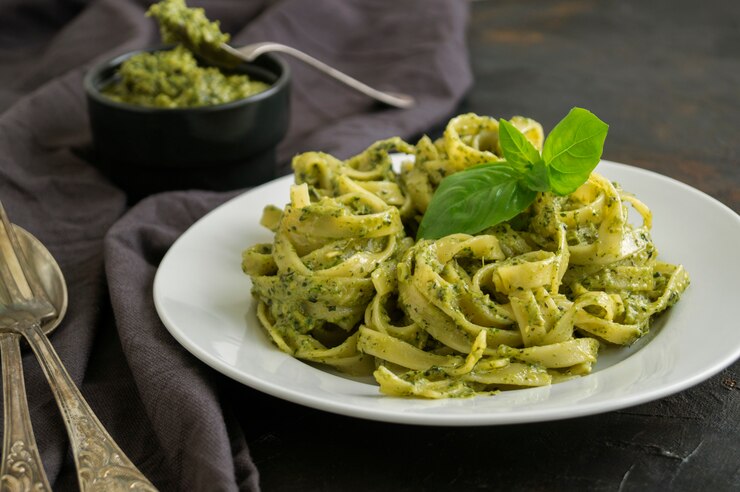
Pesto is one of those versatile ingredients that can turn an ordinary meal into something fresh, fragrant and full of flavour with very little effort. Traditionally made with basil, garlic, olive oil, Parmesan cheese and pine nuts, this vibrant green sauce brings a delicious combination of herbal freshness, savoury richness and gentle nuttiness to everyday cooking. While pesto is often associated with pasta, there are countless other ways to enjoy it, from flavourful sandwiches and colourful salads to roasted vegetables and juicy chicken dishes. Keeping a jar of pesto in the fridge makes it easier to prepare satisfying meals on busy weeknights without spending hours in the kitchen. It also pairs beautifully with familiar ingredients such as potatoes, tomatoes, mozzarella, eggs and freshly baked bread. Whether you prefer classic basil pesto, a budget-friendly homemade version or an alternative made with spinach and sunflower seeds, there is an option for almost every taste and budget. These five delicious ways to use pesto will help you get more from this flavourful sauce while adding variety and excitement to your everyday meals.
What Makes Pesto So Versatile?
Pesto is more than a pasta sauce because its combination of herbs, oil, cheese and aromatics works well with a wide range of ingredients. Its concentrated flavour means that even a small amount can make a noticeable difference to a dish.
Traditional basil pesto has a fresh, peppery herbal flavour with savoury notes from Parmesan and a rich texture from olive oil and nuts. Different varieties offer their own character, making pesto easy to adapt to different meals.
- Basil pesto: Fresh, fragrant and ideal for pasta, sandwiches, salads and grilled chicken.
- Sun-dried tomato pesto: Rich, tangy and slightly sweet, making it excellent for wraps, roasted vegetables and toasted sandwiches.
- Spinach pesto: Mild and earthy, with a softer flavour that works well in family meals.
- Rocket pesto: Peppery and bold, especially delicious with potatoes, grilled vegetables and cheese.
- Parsley pesto: Fresh and vibrant, pairing well with roasted meat, fish and vegetable dishes.
Pesto can be stirred into warm food, spread over bread, whisked into dressings or used as a finishing sauce. For the best flavour, add it towards the end of cooking when possible, especially if it contains fresh basil, as prolonged high heat can dull its colour and aroma.
1. Creamy Pesto Chicken Pasta
Creamy pesto chicken pasta is a satisfying meal that combines tender chicken, perfectly cooked pasta and a fragrant sauce. Pesto provides most of the seasoning, so you do not need a long list of ingredients to create a dish that tastes special. A little cream softens the herbal intensity while Parmesan adds savoury depth, making this recipe ideal for a quick family dinner.
Ingredients
- 300 g penne or fusilli pasta
- 400 g boneless, skinless chicken breasts, cut into bite-sized pieces
- 30 ml olive oil
- 2 garlic cloves, finely chopped
- 150 g cherry tomatoes, halved
- 100 ml fresh cream
- 60 g basil pesto
- 40 g grated Parmesan cheese
- Salt and black pepper, to taste
- Fresh basil leaves, for serving
- 60 to 100 ml reserved pasta water, as needed
Method
- Bring a large pot of salted water to the boil. Add the pasta and cook according to the packet instructions until al dente.
- Before draining, reserve approximately 100 ml of the pasta water. Drain the pasta and set it aside.
- Heat the olive oil in a large frying pan over medium heat.
- Add the chicken pieces, season lightly with salt and black pepper, then cook for 6 to 8 minutes, turning occasionally, until golden and cooked through.
- Stir in the chopped garlic and cook for another 30 seconds until fragrant.
- Add the cherry tomatoes and cook for 2 to 3 minutes until they begin to soften.
- Reduce the heat and pour in the cream. Simmer gently for 2 minutes, taking care not to boil it vigorously.
- Stir in the pesto and Parmesan cheese until the sauce is smooth and fragrant.
- Add the drained pasta and toss until every piece is coated. Stir in a little reserved pasta water if the sauce is too thick.
- Taste and adjust the seasoning, then serve immediately with fresh basil and extra Parmesan.
Tips for the Best Pesto Pasta
Avoid adding too much salt before the pesto and Parmesan have been incorporated because both can already contain plenty of salt. If you prefer a lighter sauce, replace some of the cream with reserved pasta water or a little chicken stock.
For extra vegetables, add baby spinach, sliced mushrooms, courgettes or roasted red peppers. You can also replace the chicken with chickpeas or cannellini beans for a satisfying vegetarian variation, using a suitable vegetarian hard cheese if needed.
2. Pesto, Tomato and Mozzarella Toasties
Pesto toasties are an easy way to transform ordinary bread into a warm, flavourful lunch. The combination of fragrant pesto, juicy tomatoes and melted mozzarella creates a delicious filling with a balance of freshness and richness. These toasted sandwiches are perfect for a quick meal, a weekend lunch or a simple supper when you do not feel like cooking anything complicated.
Ingredients
- 4 thick slices sourdough or country-style bread
- 60 g basil pesto
- 200 g mozzarella cheese, sliced or grated
- 2 medium tomatoes, thinly sliced
- 30 g butter, softened
- Black pepper, to taste
- A small handful of fresh basil leaves, optional
Method
- Lay the bread slices on a clean work surface.
- Spread the pesto evenly over the inside of each slice.
- Divide the mozzarella between two slices of bread.
- Arrange the tomato slices over the cheese and season lightly with black pepper.
- Add fresh basil leaves if desired, then cover with the remaining bread slices, pesto-side down.
- Spread a thin layer of butter over the outside of each sandwich.
- Heat a frying pan over medium-low heat and place the sandwiches in the pan.
- Cook for 3 to 5 minutes on each side, pressing gently with a spatula, until the bread is golden and the cheese has melted.
- If the bread browns too quickly, lower the heat and cover the pan briefly to help the cheese melt.
- Rest for a minute, cut in half and serve while warm.
Ways to Customise Your Toasties
Add sliced chicken, leftover roast vegetables or a few pieces of grilled courgette for a more substantial sandwich. Sun-dried tomatoes bring a deeper, tangier flavour, while a small handful of rocket adds a pleasant peppery bite.
For a more budget-friendly version, use cheddar or a mozzarella-cheddar blend instead of fresh mozzarella. If your tomatoes are particularly juicy, remove some of the seeds before assembling the sandwiches to prevent the bread from becoming soggy.
3. Roasted Vegetables with Pesto Dressing
Roasting vegetables brings out their natural sweetness and creates golden edges that pair beautifully with pesto. This simple recipe turns everyday produce into a colourful side dish that works with grilled chicken, fish, sausages or vegetarian meals. It is also an excellent way to use vegetables that are already in your fridge, helping you reduce food waste while creating something delicious.
Ingredients
- 500 g baby potatoes, halved
- 2 medium courgettes, cut into thick slices
- 1 red bell pepper, cut into chunks
- 1 red onion, cut into wedges
- 200 g cherry tomatoes
- 30 ml olive oil
- Salt and black pepper, to taste
- 60 g basil pesto
- 15 ml lemon juice
- 15 to 30 ml warm water, as needed
- 30 g crumbled feta cheese, optional
- Fresh parsley or basil, for garnish
Method
- Preheat the oven to 200°C.
- Place the halved potatoes on a large baking tray. Drizzle with half the olive oil and season with salt and black pepper.
- Roast the potatoes for 15 minutes before adding the other vegetables.
- Add the courgettes, red pepper and red onion to the tray. Drizzle with the remaining olive oil and toss to coat.
- Return the tray to the oven and roast for another 15 to 20 minutes.
- Add the cherry tomatoes during the final 10 minutes of cooking so they soften without collapsing completely.
- Meanwhile, mix the pesto with the lemon juice and enough warm water to create a dressing that can be drizzled easily.
- Remove the vegetables from the oven when the potatoes are tender and the edges are lightly browned.
- Transfer to a serving dish and drizzle with the pesto dressing while the vegetables are still warm.
- Finish with crumbled feta and fresh herbs if desired, then serve immediately.
How to Get the Best Results
Cut the vegetables into reasonably similar sizes so they cook evenly. Spread them across the baking tray rather than piling them on top of one another, as overcrowding can cause them to steam instead of roast.
You can substitute butternut, carrots, cauliflower, broccoli or sweet potatoes depending on what is available. Harder vegetables may need a little extra roasting time, while softer vegetables should be added later.
For a complete vegetarian meal, serve the roasted vegetables over couscous, quinoa or brown rice. Chickpeas can also be added to the tray for extra texture and plant-based protein.
4. Pesto Potato Salad
Pesto potato salad offers a fresh alternative to traditional mayonnaise-heavy potato salads. The pesto provides herbal flavour, while lemon juice and yoghurt create a lighter, tangy dressing that coats the potatoes beautifully. This recipe works well as a side dish for a braai, a family lunch or a casual picnic.
Ingredients
- 800 g baby potatoes
- 60 g basil pesto
- 100 g plain Greek yoghurt
- 15 ml lemon juice
- 15 ml olive oil
- 2 spring onions, finely sliced
- 30 g grated Parmesan cheese, optional
- Salt and black pepper, to taste
- 15 g fresh parsley, chopped
Method
- Wash the potatoes thoroughly and place them in a large pot.
- Cover with cold water, add a pinch of salt and bring to the boil.
- Reduce the heat and simmer for 15 to 20 minutes, or until the potatoes are tender when pierced with a knife.
- Drain the potatoes and allow them to cool slightly. Cut larger potatoes into halves or quarters while leaving small ones whole.
- In a bowl, whisk together the pesto, Greek yoghurt, lemon juice and olive oil.
- Season the dressing lightly with black pepper and a little salt if needed.
- Add the warm potatoes to a large mixing bowl and spoon over the dressing.
- Toss gently until the potatoes are evenly coated, taking care not to break them apart.
- Stir through the sliced spring onions and chopped parsley.
- Sprinkle with Parmesan if desired and serve warm, or refrigerate until chilled.
Tips for a Flavourful Potato Salad
Mixing the dressing into slightly warm potatoes helps the flavours absorb more effectively. Allow the potatoes to cool before refrigerating, and keep the salad chilled until serving because the dressing contains yoghurt.
For extra crunch, add finely diced cucumber or celery shortly before serving. You can also include halved cherry tomatoes, toasted sunflower seeds or a few chopped olives for additional flavour and texture.
If you prefer a dairy-free version, use a suitable dairy-free yoghurt and omit the Parmesan. Check the pesto label too, as traditional varieties commonly contain cheese.
5. Pesto and Feta Breakfast Eggs
Pesto is not just for lunch and dinner because its fragrant, savoury flavour also works wonderfully with eggs. A small spoonful stirred into scrambled eggs adds freshness, while feta provides a salty, creamy contrast. This quick breakfast is ideal for busy mornings, relaxed weekend brunches or any time you want to make simple ingredients feel more exciting.
Ingredients
- 4 large eggs
- 30 ml milk
- 20 g butter
- 30 g basil pesto
- 60 g feta cheese, crumbled
- 100 g cherry tomatoes, halved
- Salt and black pepper, to taste
- 4 slices wholewheat or sourdough bread
- Fresh basil leaves, optional
Method
- Crack the eggs into a bowl and whisk with the milk and a little black pepper until combined.
- Heat a frying pan over medium heat and melt the butter.
- Add the cherry tomatoes and cook for 2 to 3 minutes until they begin to soften.
- Reduce the heat slightly and pour in the beaten eggs.
- Stir gently with a spatula, allowing the eggs to cook slowly into soft curds.
- When the eggs are nearly set but still slightly glossy, remove the pan from the heat.
- Fold in the pesto and crumbled feta, reserving a little feta for serving if desired.
- Taste and add salt only if needed, as feta and pesto can already be salty.
- Toast the bread and divide the pesto eggs between the slices.
- Finish with the remaining feta and fresh basil, then serve immediately.
Other Ways to Enjoy Pesto with Eggs
Spread pesto over toasted bread before adding a fried egg for an easy breakfast. You can also add a spoonful to an omelette filled with mushrooms, spinach or cheese.
For a more substantial brunch, serve the eggs with roasted tomatoes, sautéed spinach or leftover roasted potatoes. If you are preparing breakfast for several people, bake beaten eggs with pesto, feta and vegetables in a lightly greased dish until set, then cut into portions.
How to Make Homemade Pesto on a Budget
Homemade pesto is straightforward to prepare and can be more affordable than buying a premium jar, especially when you have fresh herbs available. Traditional pesto uses pine nuts, but these can be expensive, so sunflower seeds or walnuts are practical alternatives.
Ingredients
- 60 g fresh basil leaves
- 2 garlic cloves
- 40 g sunflower seeds or walnuts
- 50 g grated Parmesan cheese
- 100 ml olive oil
- 15 ml lemon juice
- Salt and black pepper, to taste
Method
- Wash the basil leaves if necessary and dry them thoroughly to prevent excess water from thinning the pesto.
- Place the basil, garlic, sunflower seeds and Parmesan in a food processor.
- Pulse until the ingredients are finely chopped.
- With the processor running, gradually pour in the olive oil until the mixture reaches your preferred consistency.
- Add the lemon juice and pulse briefly to combine.
- Taste and season with a little salt and black pepper.
- Add extra olive oil if you prefer a looser sauce.
- Transfer the pesto to a clean container and refrigerate promptly.
Budget-Friendly Pesto Variations
- Spinach pesto: Replace half the basil with baby spinach for a milder flavour.
- Parsley pesto: Use flat-leaf parsley for a fresh, savoury sauce that pairs well with roasted vegetables and meat.
- Rocket pesto: Replace some of the basil with rocket for a peppery finish.
- Sun-dried tomato pesto: Blend sun-dried tomatoes with garlic, olive oil, Parmesan and a small handful of nuts or seeds.
- Dairy-free pesto: Omit the Parmesan and add a small amount of nutritional yeast if you enjoy its savoury flavour.
These variations allow you to make pesto using the herbs, leafy greens and nuts or seeds that offer the best value at the time.
Tips for Storing and Using Leftover Pesto
Pesto is concentrated, so a small amount can go a long way when used thoughtfully. Store leftover pesto in a clean, airtight container in the refrigerator and follow the storage guidance for the ingredients you have used. Homemade pesto containing fresh herbs and cheese is perishable, so use it promptly and discard it if it develops an unusual smell, appearance or signs of mould.
For longer storage, freeze pesto in small portions using an ice-cube tray or freezer-safe container. Once frozen, transfer the portions to a labelled freezer bag or suitable container so you can thaw only what you need. Frozen pesto is useful for quick pasta sauces, soups, dressings and roasted vegetable dishes.
Try these additional ideas to make the most of a jar:
- Stir a spoonful into vegetable soup just before serving.
- Mix pesto with olive oil and lemon juice for a quick salad dressing.
- Spread it over homemade pizza dough before adding mozzarella and vegetables.
- Toss it through cooked couscous or rice for an easy side dish.
- Mix it into mayonnaise or plain yoghurt for a flavourful sandwich spread or dip.
- Brush a little over grilled chicken or fish after cooking.
- Add a spoonful to warm beans or chickpeas for a quick lunch.
- Spread it inside savoury pastry before adding cheese and vegetables.
When using pesto in hot dishes, add it near the end of cooking where practical. This helps preserve its fresh herbal aroma and prevents its flavour from becoming muted.
Pesto is a simple ingredient that can bring freshness, richness and plenty of flavour to everyday cooking without requiring complicated preparation. From creamy pesto chicken pasta and golden tomato toasties to roasted vegetables, potato salad and savoury breakfast eggs, these five recipes show just how many ways you can enjoy this versatile sauce. Making pesto at home can also help you manage your food budget, particularly when you substitute expensive pine nuts with sunflower seeds or use a mixture of fresh herbs and leafy greens. Keeping a small jar in the fridge or a few frozen portions in the freezer makes it easier to prepare satisfying meals when time is limited. Remember to balance pesto with other ingredients, taste before adding extra salt and store leftovers safely to maintain their quality. You can adapt each recipe with seasonal vegetables, different cheeses or your preferred protein, creating new combinations from ingredients you already have. With a little creativity, pesto can become a dependable kitchen staple that makes breakfast, lunch and dinner more exciting throughout the week.