
There is something special about the smell of freshly baked bread, golden pastries and sweet treats coming out of the oven, especially when you can enjoy them without spending a fortune. Although bakery counters are filled with tempting cakes, muffins, biscuits and savoury snacks, many of these favourites are surprisingly affordable to make at home. With a few basic ingredients, simple equipment and reliable recipes, you can recreate delicious bakery-style treats for a fraction of the price. Homemade baking also gives you control over portion sizes, flavours and ingredients, making it easier to cater for your family’s preferences and dietary needs. From fluffy scones and soft bread rolls to buttery biscuits and savoury cheese muffins, there are plenty of budget-friendly options for breakfast, lunchboxes, afternoon tea and entertaining. Baking in larger batches can help you save even more money because you can freeze extra portions and enjoy them whenever you need a quick snack. Discover these affordable homemade bakery favourites, complete with easy recipes, practical money-saving tips and ideas for getting the best results from every batch.
Why Homemade Baking Is More Affordable
Making bakery favourites at home can significantly reduce the cost of everyday treats, particularly if you bake regularly for a family. Ingredients such as flour, sugar, eggs, milk and cooking oil can be used across several recipes, helping you make the most of your grocery budget.
Use Everyday Pantry Ingredients
Many popular bakery items rely on a handful of basic ingredients. Flour, baking powder, sugar, salt and eggs form the foundation of countless recipes, while milk, butter or oil provide moisture and flavour.
Keeping these staples in your kitchen means you can prepare muffins, scones and biscuits without needing to buy a long list of specialised ingredients. Before shopping, check your cupboards and plan recipes around what you already have.
Bake in Batches
Preparing several batches of the same recipe saves time and makes it easier to take advantage of ingredients you have purchased in larger quantities. For example, one baking session could provide enough muffins for breakfast, snacks and lunchboxes throughout the week.
Allow baked goods to cool completely before packing them into airtight containers or freezing them. Divide larger batches into convenient portions so you only need to thaw what you plan to eat.
Choose Simple Recipes
Recipes that require minimal equipment and straightforward techniques are often the most economical. You do not need a stand mixer, specialist tins or expensive decorations to produce delicious homemade treats.
Start with recipes that use familiar ingredients and offer plenty of flexibility. Once you are comfortable with the basics, you can experiment with different flavours without significantly increasing your costs.
1. Classic Homemade Scones
Scones are a classic bakery favourite that can be made quickly with inexpensive ingredients. Their lightly crisp exterior and soft, tender centre make them perfect for breakfast, afternoon tea or a simple weekend treat. Serve them with jam, butter or a little whipped cream for a delicious homemade alternative to shop-bought scones.
Ingredients
- 500 g cake flour
- 20 g baking powder
- 60 g sugar
- 2 ml salt
- 100 g cold butter or baking margarine
- 250 ml milk
- 1 large egg
- Extra milk for brushing, optional
Method
- Preheat the oven to 200°C and lightly grease a baking tray or line it with baking paper.
- Sift the flour, baking powder, sugar and salt into a large mixing bowl.
- Rub the cold butter or margarine into the flour using your fingertips until the mixture resembles fine breadcrumbs.
- Beat the egg with the milk in a separate bowl.
- Gradually add the liquid to the dry ingredients, mixing gently until a soft dough forms. You may not need every drop of liquid.
- Turn the dough onto a lightly floured surface and gently pat it to approximately 2.5 cm thick. Avoid kneading it excessively.
- Cut out rounds using a floured cutter or a small glass, pressing straight down rather than twisting.
- Arrange the scones on the prepared tray, leaving a little space between them. Brush the tops with milk if desired.
- Bake for 12 to 18 minutes, until risen and golden.
- Transfer to a wire rack and allow them to cool slightly before serving.
Money-Saving Tip
Use baking margarine instead of butter if it is more affordable. You can also make smaller scones to stretch the batch further, especially when serving them with jam or other toppings.
2. Soft Homemade Bread Rolls
Fresh bread rolls are useful for sandwiches, burgers, school lunches and family dinners. Making them at home allows you to prepare a generous batch using basic baking ingredients, often at a lower cost than buying individual rolls from a bakery. These rolls have a soft interior and lightly golden crust, making them suitable for both sweet and savoury fillings.
Ingredients
- 500 g bread flour
- 7 g instant yeast
- 25 g sugar
- 8 g salt
- 300 ml lukewarm water
- 30 ml cooking oil
- Extra flour for kneading
- Milk or water for brushing, optional
Method
- Combine the flour, instant yeast, sugar and salt in a large bowl.
- Add the lukewarm water and cooking oil, then mix until a rough dough forms.
- Knead on a lightly floured surface for 8 to 10 minutes, until smooth and elastic. Add only a little extra flour if the dough is too sticky to handle.
- Place the dough in a lightly oiled bowl, cover with a clean tea towel and leave in a warm place for 45 to 60 minutes, or until doubled in size.
- Gently press down the dough to release excess air and divide it into 10 to 12 equal portions.
- Shape each portion into a smooth ball and arrange the rolls on a lined baking tray.
- Cover and leave to rise for another 20 to 30 minutes.
- Preheat the oven to 190°C while the rolls rise.
- Brush the tops lightly with milk or water if desired.
- Bake for 18 to 22 minutes, until golden and cooked through. Transfer to a cooling rack before serving.
Money-Saving Tip
Freeze half the rolls once they have cooled completely. Defrost individual portions when needed, or warm them briefly in the oven to restore their fresh-baked texture.
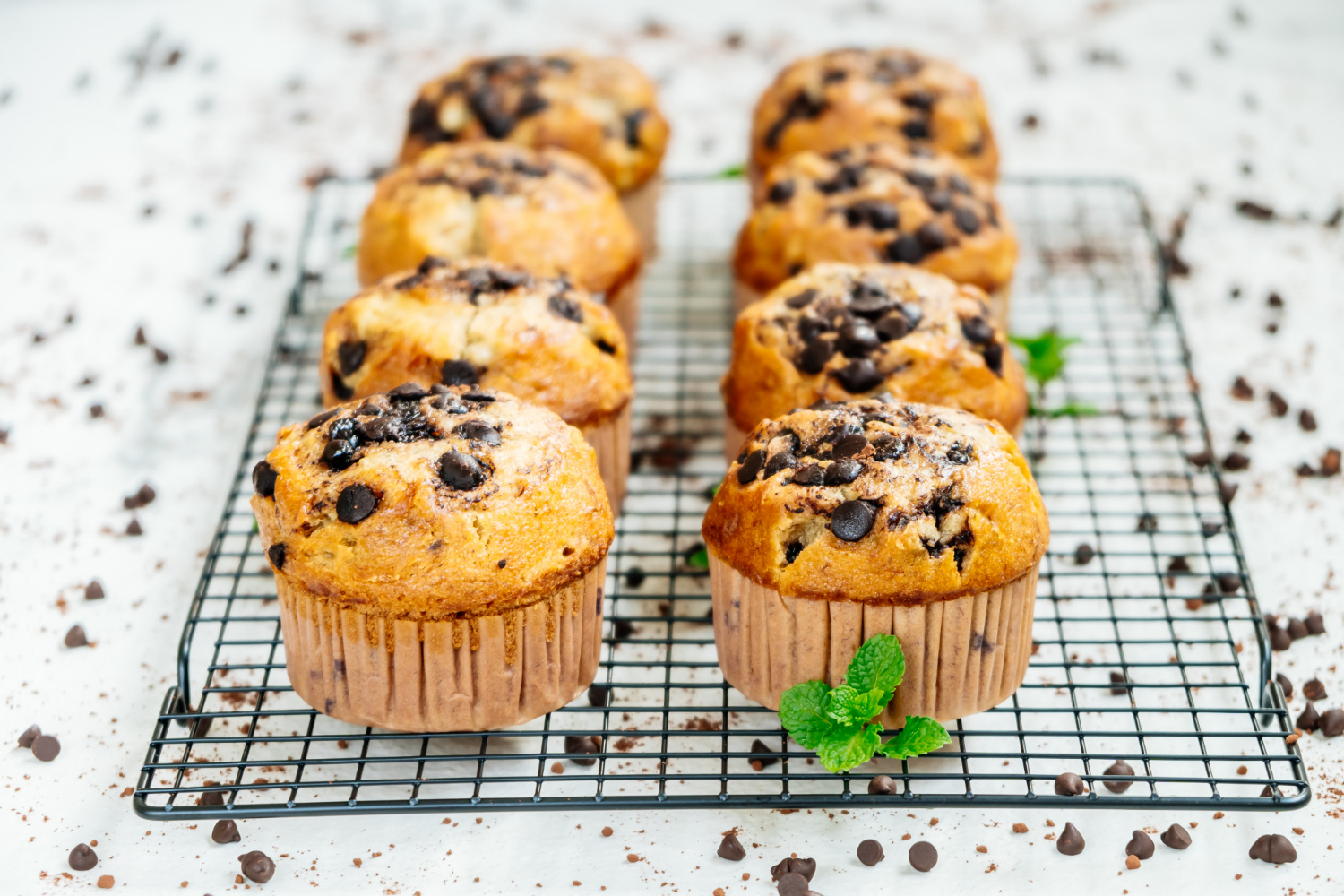
3. Budget-Friendly Chocolate Chip Muffins
Chocolate chip muffins are a popular bakery treat, but buying them individually can become expensive when you need snacks for the whole family. This easy recipe creates soft, moist muffins using everyday baking ingredients and a modest amount of chocolate. They are ideal for lunchboxes, afternoon snacks or a sweet breakfast on busy mornings.
Ingredients
- 250 g cake flour
- 100 g sugar
- 10 g baking powder
- 2 ml salt
- 1 large egg
- 180 ml milk
- 80 ml cooking oil
- 5 ml vanilla essence
- 100 g chocolate chips
Method
- Preheat the oven to 180°C and line a 12-hole muffin tin with paper cases.
- Sift the flour, baking powder and salt into a mixing bowl, then stir in the sugar.
- In another bowl, whisk together the egg, milk, cooking oil and vanilla essence.
- Pour the wet ingredients into the dry ingredients and mix gently until just combined.
- Fold in the chocolate chips, reserving a few to sprinkle over the tops.
- Divide the batter evenly between the muffin cases, filling each approximately two-thirds full.
- Sprinkle the remaining chocolate chips over the batter.
- Bake for 18 to 22 minutes, or until the muffins are risen and a skewer inserted into the centre comes out clean apart from melted chocolate.
- Leave the muffins in the tin for five minutes before transferring them to a wire rack.
Money-Saving Tip
Use chopped baking chocolate instead of packaged chocolate chips if it works out cheaper. You can also replace some of the chocolate with mashed banana, grated apple or a small handful of raisins to create different flavours from the same basic recipe.
4. Easy Homemade Butter Biscuits
Simple butter biscuits are an excellent choice when you want an affordable homemade treat that lasts longer than freshly baked bread or muffins. Their crisp edges and tender centres make them delicious alongside tea, coffee or a glass of milk. The dough can also be adapted with a little cinnamon, lemon zest or vanilla to create different flavours without purchasing extra ingredients.
Ingredients
- 250 g cake flour
- 125 g butter or baking margarine, softened
- 100 g sugar
- 1 large egg
- 5 ml vanilla essence
- 2 ml salt
- 5 ml baking powder
Method
- Preheat the oven to 180°C and line a baking tray with baking paper.
- Beat the softened butter or margarine with the sugar until light and creamy.
- Add the egg and vanilla essence, then beat until combined.
- Sift the flour, baking powder and salt into the mixture.
- Mix until a soft dough forms. If it is very sticky, refrigerate it for 15 to 20 minutes.
- Roll the dough into small balls and place them on the prepared tray, leaving space between each biscuit.
- Flatten each ball gently with a fork or the bottom of a glass.
- Bake for 10 to 14 minutes, until the edges are lightly golden.
- Allow the biscuits to cool on the tray for a few minutes before transferring them to a wire rack. They will become firmer as they cool.
Money-Saving Tip
Make a double batch when the oven is already in use. Store completely cooled biscuits in an airtight container to maintain their texture and enjoy them over several days.
5. Savoury Cheese and Herb Muffins
Savoury cheese muffins are a practical alternative to expensive bakery snacks and make a delicious addition to lunchboxes, picnics and light meals. Cheddar cheese provides plenty of flavour, while mixed herbs add fragrance without requiring a long list of ingredients. These muffins are best enjoyed slightly warm, but they are also convenient to pack for work or school.
Ingredients
- 250 g cake flour
- 10 g baking powder
- 2 ml salt
- 2 ml black pepper
- 5 ml dried mixed herbs
- 150 g grated cheddar cheese
- 1 large egg
- 200 ml milk
- 60 ml cooking oil
Method
- Preheat the oven to 180°C and grease a 12-hole muffin tin or line it with paper cases.
- Combine the flour, baking powder, salt, black pepper and dried herbs in a mixing bowl.
- Stir in approximately 120 g of the grated cheddar cheese, reserving the rest for the tops.
- In a separate bowl, whisk together the egg, milk and cooking oil.
- Pour the wet ingredients into the dry ingredients and mix gently until just combined.
- Divide the mixture evenly between the muffin holes.
- Sprinkle the remaining cheddar cheese over each muffin.
- Bake for 18 to 22 minutes, until risen, golden and cooked through.
- Allow the muffins to cool for a few minutes before removing them from the tin.
Money-Saving Tip
Use a mature cheddar with a strong flavour so that a smaller quantity still provides plenty of taste. If you have leftover cooked vegetables, such as finely chopped spinach or grated carrot, you can add a small amount to the batter.
6. Homemade Cinnamon Sugar Doughnuts
Cinnamon sugar doughnuts are a delicious homemade alternative to the sweet treats found at bakeries and shopping centres. Their soft centres, golden exterior and fragrant cinnamon coating make them especially appealing for weekend breakfasts or afternoon snacks. This yeast-based recipe takes a little more time than muffins or biscuits, but the ingredients are simple and the results are worth the effort.
Ingredients
For the dough
- 500 g bread flour
- 7 g instant yeast
- 60 g sugar
- 2 ml salt
- 1 large egg
- 250 ml lukewarm milk
- 50 g butter or baking margarine, softened
- Vegetable oil for frying
For the coating
- 100 g sugar
- 10 ml ground cinnamon
Method
- Combine the flour, instant yeast, sugar and salt in a large bowl.
- Add the egg and lukewarm milk, then mix until a dough begins to form.
- Add the softened butter or margarine and knead for 8 to 10 minutes, until smooth and elastic.
- Cover the dough and leave it in a warm place for 60 to 90 minutes, or until doubled in size.
- Roll the dough out on a lightly floured surface to approximately 1.5 cm thick.
- Cut out doughnut shapes using a doughnut cutter or two round cutters of different sizes.
- Arrange the doughnuts on a lightly floured tray, cover and leave to rise for another 20 to 30 minutes.
- Mix the coating sugar and cinnamon in a shallow bowl.
- Heat the oil in a deep, heavy-based pot to approximately 170°C. Fry the doughnuts in small batches for about 1 to 2 minutes per side, until golden and cooked through.
- Remove with a slotted spoon and drain briefly on a rack or paper towels.
- Toss the doughnuts in the cinnamon sugar while they are still warm.
Money-Saving Tip
Reuse the dough scraps by gently gathering them together, allowing the dough to rest briefly and cutting out more doughnuts. Avoid repeatedly kneading the scraps, as this can make the finished doughnuts tougher.
7. Fluffy Homemade Pancakes
Pancakes are one of the easiest bakery-style treats to prepare when you want something affordable and satisfying. They require only a few basic ingredients and can be served with sweet or savoury toppings depending on the occasion. In South Africa, thin pancakes are especially popular with cinnamon sugar, while thicker versions are delicious with fruit, yoghurt or a drizzle of syrup.
Ingredients
- 250 g cake flour
- 15 g sugar
- 10 g baking powder
- 2 ml salt
- 1 large egg
- 300 ml milk
- 30 ml cooking oil or melted butter
- Extra oil for greasing the pan
Method
- Sift the flour, baking powder and salt into a mixing bowl, then stir in the sugar.
- Whisk the egg, milk and cooking oil together in a separate bowl.
- Pour the wet ingredients into the dry ingredients and stir until just combined. A few small lumps are fine.
- Leave the batter to rest for five minutes while heating a non-stick frying pan over medium heat.
- Lightly grease the pan and pour in a small ladleful of batter.
- Cook until bubbles appear on the surface and the edges begin to set.
- Flip the pancake and cook the other side until golden and cooked through.
- Repeat with the remaining batter, lightly greasing the pan when necessary.
- Serve warm with cinnamon sugar, sliced bananas, seasonal fruit or a little homemade jam.
Money-Saving Tip
Use seasonal fruit or homemade fruit compote instead of expensive toppings. Leftover pancakes can be refrigerated in a covered container and reheated gently for a quick breakfast.
How to Make Homemade Baking Even Cheaper
The recipes above demonstrate how versatile a few basic ingredients can be, but smart shopping and preparation can help you save even more.
Compare the Cost Per Portion
Instead of looking only at the price of a bag of flour or a packet of muffins, calculate the cost of the ingredients used in each recipe. Divide the total recipe cost by the number of portions to estimate how much each item costs to make.
For example, if a batch of 12 muffins costs R48 in ingredients, each muffin costs approximately R4 before accounting for electricity, packaging or other overheads. Comparing this figure with local bakery prices gives you a clearer idea of your potential savings.
Buy Ingredients You Use Regularly
Large packs can offer better value when you know you will use the ingredients before they expire. Flour, sugar and some dried baking ingredients are often useful purchases for households that bake frequently.
However, buying in bulk is not always cheaper if ingredients go to waste. Compare the unit price, consider your storage space and purchase quantities that suit your actual baking habits.
Use Substitutions Carefully
Some ingredients can be replaced with more affordable alternatives without significantly affecting the result. Baking margarine can often replace butter in biscuits and scones, while cooking oil works well in many muffin recipes.
Avoid changing several ingredients at once, particularly in yeast breads and delicate cakes. Baking depends on the balance between moisture, fat, flour and raising agents, so large substitutions can affect texture and flavour.
Make the Most of Leftover Ingredients
Small amounts of ingredients can often be used in another recipe instead of being thrown away. Leftover grated cheese can go into savoury muffins, while overripe bananas can be mashed into muffin batter.
Extra dough can sometimes be shaped into smaller rolls or biscuits, depending on the recipe. Planning recipes that share ingredients also reduces the chance of ending up with half-used packets that sit in the cupboard.
Storing and Freezing Homemade Bakery Treats
Proper storage helps homemade baking stay fresh for longer and prevents food waste. Different baked goods require slightly different storage methods, so allow everything to cool completely before packing it away.
Bread rolls: Store in an airtight bag or container at room temperature for a day or two, depending on the weather and freshness. Freeze extra rolls for longer storage and thaw them as needed.
Muffins: Keep plain muffins in an airtight container for up to two or three days at room temperature, provided the conditions are cool and dry. Muffins containing fresh fruit or other perishable fillings may need refrigeration.
Biscuits: Store completely cooled biscuits in an airtight container in a cool, dry place. Many simple biscuits keep well for several days, although their texture depends on the recipe and humidity.
Scones: Enjoy scones on the day they are baked for the best texture. Freeze leftovers once cooled and warm them briefly after thawing.
Doughnuts: Doughnuts are generally best eaten fresh, as their texture changes during storage. Keep leftovers covered and consume them promptly, or freeze them without the sugar coating where suitable.
Pancakes: Place cooled pancakes in a covered container in the refrigerator and eat within a few days. They can also be frozen in layers separated by baking paper.
Always refrigerate fillings that contain cream, custard, meat or other perishable ingredients. Label frozen portions with the date so you can use older items first.
Homemade bakery favourites prove that delicious treats do not need to come with a high price tag. With simple ingredients and a little planning, you can make soft bread rolls, golden scones, chocolate chip muffins, buttery biscuits and savoury snacks that suit your family’s tastes. Choosing recipes that share pantry staples helps reduce shopping costs and makes it easier to use ingredients before they go to waste. Baking in batches and freezing extra portions also gives you convenient homemade options for breakfasts, lunchboxes and unexpected visitors. By comparing ingredient prices, using sensible substitutions and measuring portions carefully, you can make informed choices about where your baking budget goes. Most importantly, homemade baking gives you the freedom to adjust flavours, control ingredients and enjoy freshly prepared food whenever you want it. Start with a few affordable favourites, build confidence in your baking skills and discover how easy it can be to enjoy bakery-style treats for less.